Are you trying to make sense of Westport’s market but keep seeing numbers that seem to change every week? You are not alone. In a small, high-value town like Westport, a few listings can swing prices and pace in surprising ways. This guide gives you a clear way to read inventory, pricing, and speed so you can move with confidence, whether you are planning to sell, buy, or simply watch for the right moment. Let’s dive in.
Read the Westport market
Months of inventory
Start with Months of Inventory (MOI), which you calculate as Active Listings divided by Monthly Sales. In broad terms, MOI under 4 suggests a seller’s market, 4 to 6 is balanced, and over 6 leans buyer-friendly. At the luxury tier, MOI tends to run higher since unique homes move at a slower pace, so judge those thresholds with more flexibility. Because Westport is small, use a 3 to 6 month average to smooth out noise.
List-to-sale ratio
The List-to-Sale Price Ratio (LSR) shows how close sale prices come to the final list price. Compute it as Sale Price divided by Final List Price, then multiply by 100. Over 100 percent hints at multiple offers and strong demand. Between 95 and 100 percent reflects normal negotiation. In the luxury range, expect more variation since standout properties are hard to price and buyers often negotiate on timing and terms. Track changes to the last list price before contract for a truer read.
Median vs mean
Look at the median sale price for your segment rather than the mean. A single ultra-luxury closing can skew averages in a small market like Westport. Median cuts down the outlier effect and gives you a steadier baseline for trend comparisons.
Days on market
Days on Market (DOM) and time-to-contract tell you how quickly buyers are committing. Time-to-contract is often the cleanest signal, since cancellations or relists can inflate DOM. In the luxury tier, longer timelines are normal. Compare today’s figures to a 12 month baseline to separate seasonal patterns from a real shift.
Pending ratio and mix
The pending ratio is Pending Sales divided by Active Listings. It is a fast way to see immediate demand. Watch it by neighborhood and by price band. Also note the sales mix. In Westport’s higher price points, you often see a larger share of cash or contingency-light deals, which can speed up closings and influence your pricing and negotiation strategy.
Westport inventory patterns
Seasonal cycle
Across Fairfield County, inventory typically builds from late winter into spring, then thins over the summer and declines into late fall and winter. Westport follows this general pattern, shaped by commuter timing and school-year planning. Sellers often list in late winter or early spring to meet buyers who target a summer move. Buyers who shop in off-peak months may face less competition, though the menu of options is smaller.
Luxury behavior
Luxury listings, including waterfront and custom estates, take more time to match to the right buyer. High-quality marketing, careful pricing, and targeted outreach make a real difference here. Off-market and private-list offerings are more common at the top end, which can make public stats undercount activity. Expect more staged price adjustments if a home launches too high.
Local supply drivers
Westport’s supply moves with a few local constraints and incentives:
- Coastal risk and flood zones affect pricing and buyer appetite for Compo and shoreline properties.
- Zoning, lot sizes, and preservation areas limit subdivision potential and shape new development.
- Property taxes, septic or sewer availability, and shoreline rules can influence both renovation and new-build feasibility.
Watchlist checklist
Keep a simple weekly or monthly scorecard by segment:
- Active listings by price band: under $1 million, $1–2 million, $2–3 million, $3 million and above.
- New listings, pending contracts, and cancellations.
- Median time-to-contract and DOM by neighborhood.
- Pending-to-active ratio town-wide and by tier.
- Any cluster of similar listings in one micro-area, especially at Compo Beach or other coastal pockets.
Luxury pricing and pace
Defining luxury
Locally, luxury is often described either by a dollar threshold, commonly $2 million and above, or by the top 10 percent of sales. The most accurate view comes from current percentile cutoffs in the MLS. However you define it, always analyze luxury separately from the broader market.
Smart pricing
In the luxury segment, pricing has to balance uniqueness with comparability. Strong, design-forward presentation is expected, including professional photography, floor plans, and targeted digital exposure. Overpricing at launch often leads to multi-stage reductions and a longer runway. A disciplined approach around recent local comps and buyer feedback gives you the best chance at early, qualified showings.
Negotiation patterns
Expect wider LSR ranges at the top. Negotiations often focus on credits, repairs, and timing. Cash or jumbo-financed buyers may lessen appraisal friction, but valuation can still be a discussion point for one-of-a-kind homes. Terms, like flexibility on occupancy or contingency structure, may be as important as price to get a deal to the finish line.
Selecting comps
Favor sales within the past 6 to 12 months that match lot size, waterfront exposure, architectural era, renovation level, and special features like guest houses or pools. Adjust thoughtfully for view corridors and privacy. If direct comps are thin, widen the time frame, then weight recent activity more heavily.
Timing window
Plan for a longer runway. Many luxury sellers map out 6 to 12 months to capture the right buyer, while still remaining nimble if a strong early offer arrives. In low-inventory windows, properly priced and well-presented homes can sell quickly, so readiness to move on quality interest is key.
Micro-neighborhood notes
Compo Beach
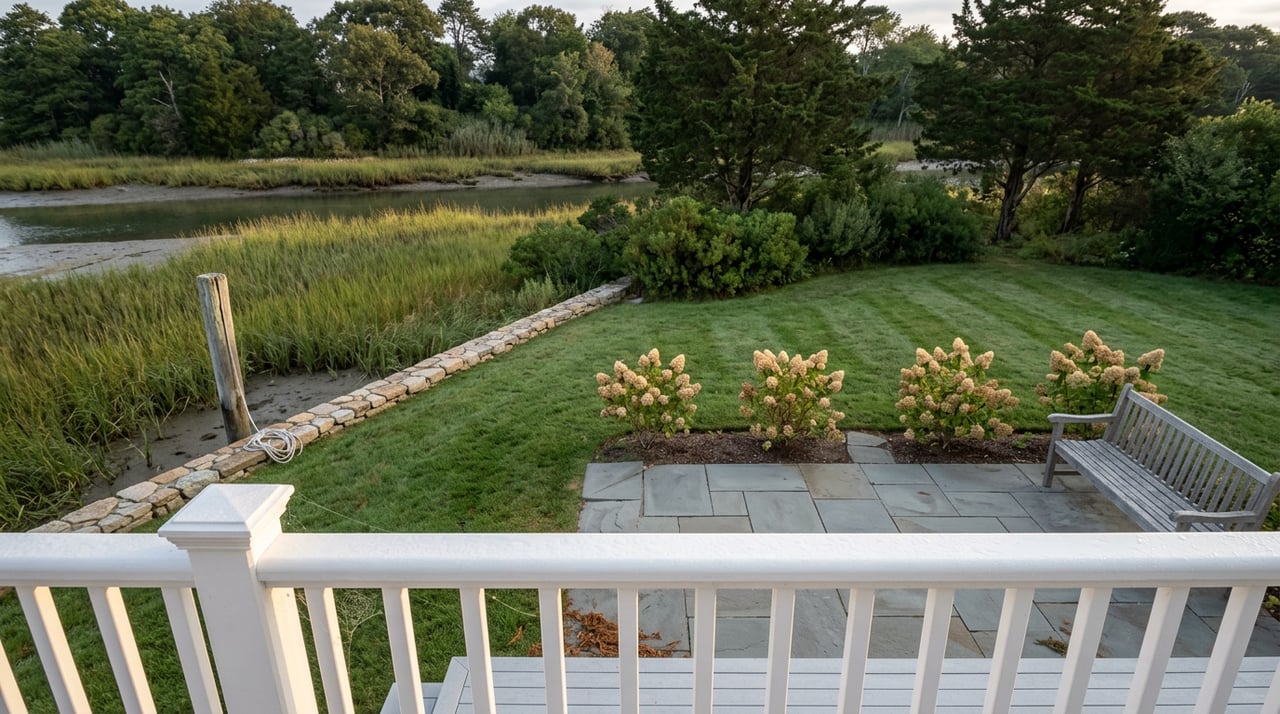
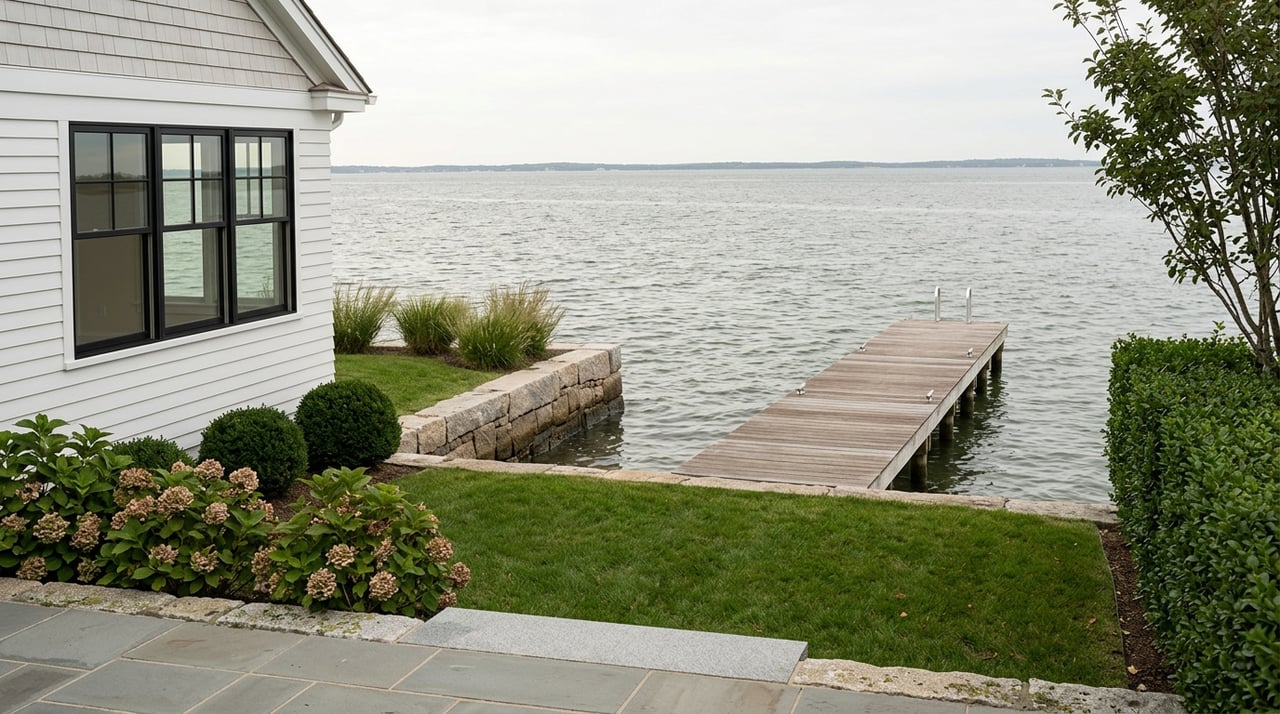
Compo offers beachfront and near-coastal living with strong lifestyle appeal. Direct Long Island Sound access commands premium pricing and a specialized buyer pool. If you are buying or selling here, confirm flood zone details, insurance implications, coastal ordinances, and seasonal parking or permit rules that may shape demand.
Long Lots
Long Lots is valued for convenient access to train lines, town services, and daily amenities. Homes range from mid-century to newer builds on modest to larger lots. Sales here often move faster than in more remote or ultra-luxury coastal pockets, though pace still depends on price, condition, and presentation.
Saugatuck and Downtown
Downtown and Saugatuck offer walkable access to dining, shopping, and the train, plus proximity to the river and harbor. Smaller lots can translate to higher price per square foot for well-situated homes and condos. Track pending ratios closely here, since buyer demand can shift quickly when new listings appear.
Greens Farms and Hillspoint
These areas include larger lots and estate-style properties with a more private feel. Turnover can be slower given the scale and customization. Pricing varies widely with renovation level, acreage, and outdoor features, so segment carefully and use a longer comp set when needed.
Your monitoring plan
Monthly routine
Use a simple, repeatable cadence to keep your view current:
- Pull town-wide and segmented stats from the MLS for MOI, median price, pending ratio, DOM, and time-to-contract.
- Compare 1 month, 3 month, and 12 month changes to separate seasonality from trend.
- Segment by price band, waterfront versus non-waterfront, and key neighborhoods like Compo, Long Lots, and Downtown.
- Note price reductions, the size of cuts, and relist patterns to gauge pricing discipline.
- Record observations on off-market chatter and private activity when available, since those deals may not show in public feeds.
When to pivot
Consider adjusting pricing or strategy if you see any of the following for your segment:
- MOI rising steadily for two to three months.
- A drop in pending-to-active ratio combined with more price reductions.
- Time-to-contract lengthening while showing activity falls.
- A sudden cluster of new listings that compete directly with your home’s features.
What this means for you
If you are selling
- Price with intent. Calibrate to recent, truly comparable sales and current active competition. The goal is to attract qualified buyers in the first two to three weeks.
- Elevate presentation. Professional photography, floor plans, and thoughtful staging can compress DOM and support stronger terms, especially in the luxury tier.
- Watch the first 14 to 21 days. If showings or inquiries are soft relative to peers, discuss whether to fine-tune price or marketing before the market labels the listing as stale.
- Plan for terms. Flexibility on closing, occupancy, or credits can be the lever that gets you to a premium net.
If you are buying
Segment your search. Track MOI and pending ratios by price band and neighborhood, not just town-wide averages.
Be offer-ready. In segments with tight MOI, have proof of funds or pre-approval and clarity on contingencies so you can move quickly.
For waterfront or unique homes, build in time for insurance, flood-zone review, and specialist inspections. Terms and timing can be as persuasive as price.
A measured, data-informed approach lets you act decisively without overpaying or underselling.
Ready to talk through your specific situation or a property you are watching? Connect with Emily Gordon for confidential, senior-level guidance anchored in Westport expertise and design-savvy marketing. Let’s connect.
FAQs
Is Westport, CT a buyer’s or seller’s market right now?
- Check months of inventory and the pending-to-active ratio by price band. Under 4 months often favors sellers, while higher MOI or falling pending ratios can indicate more balance or buyer leverage.
How long do homes in Westport, CT take to sell?
- Use median time-to-contract for your price tier and neighborhood. Luxury and waterfront homes generally take longer, so compare to a 12 month baseline rather than a single month.
What is the best way to price a luxury home in Westport?
- Anchor to recent, close-in comps with similar lot, location, and renovation level, then test buyer response in the first few weeks. If engagement is light, adjust before the market goes quiet.
How should buyers evaluate Compo Beach and other shoreline areas?
- Review flood zones, insurance costs, coastal rules, and elevation data, then balance lifestyle value against carrying costs. Compare DOM and LSR for coastal versus inland segments.
Which metrics matter most if I am just starting to watch the Westport market?
- Track MOI, median price, pending ratio, and price reductions each month, then segment by price band and micro-neighborhood so single sales do not distort your view.