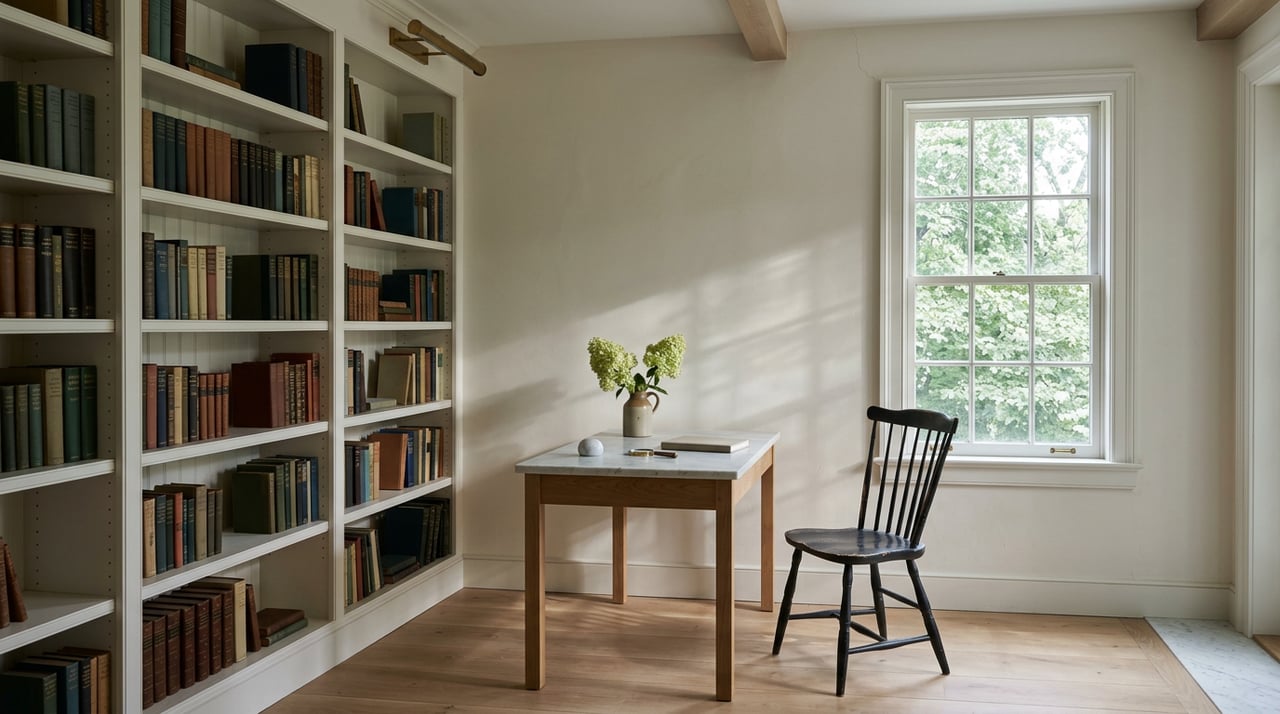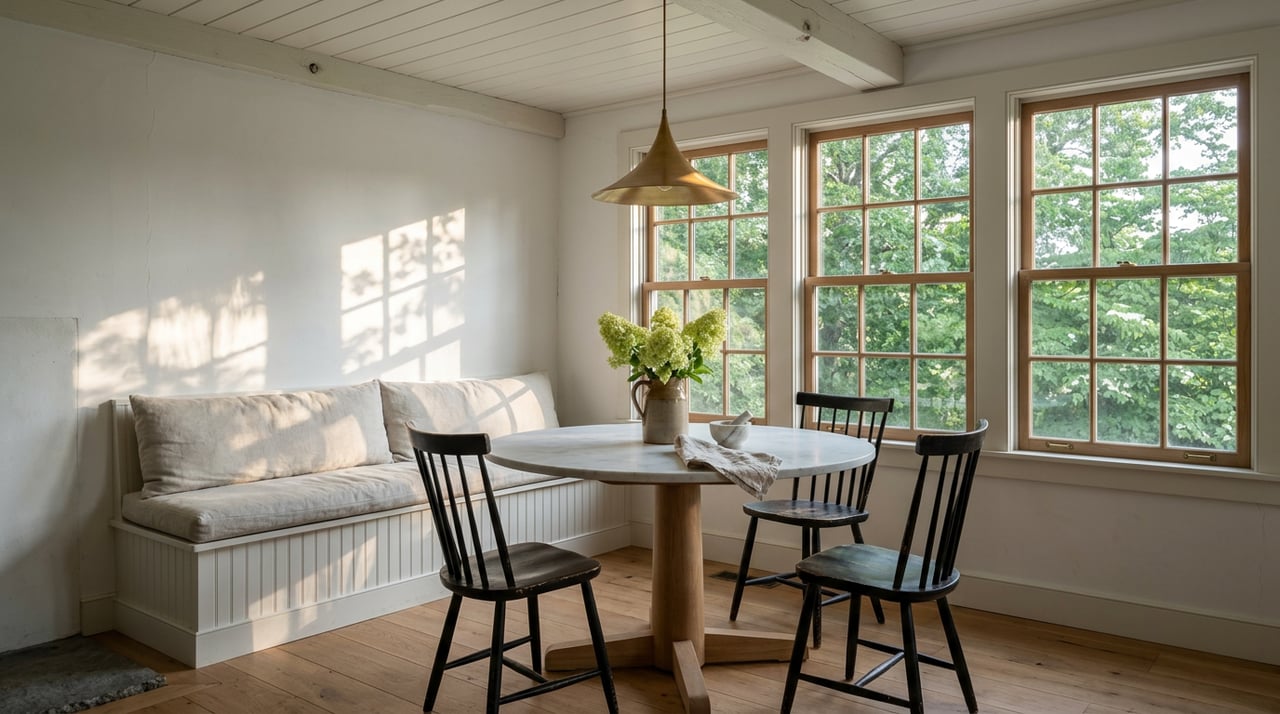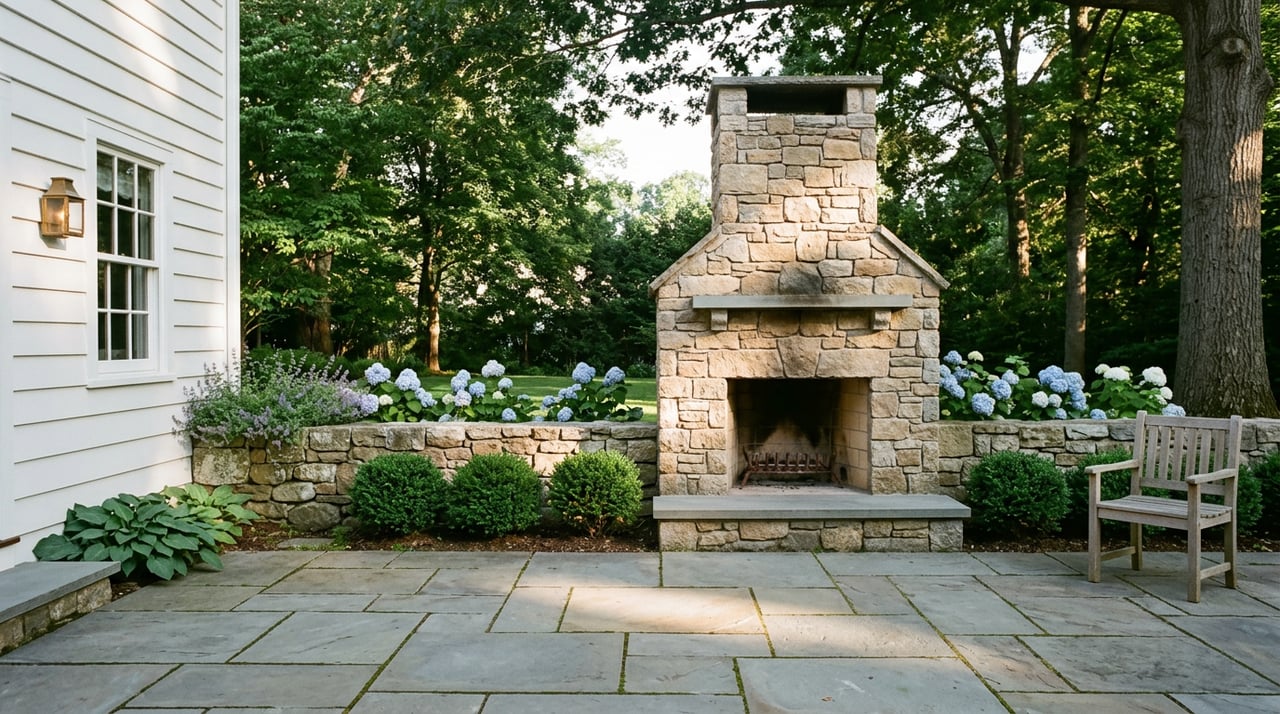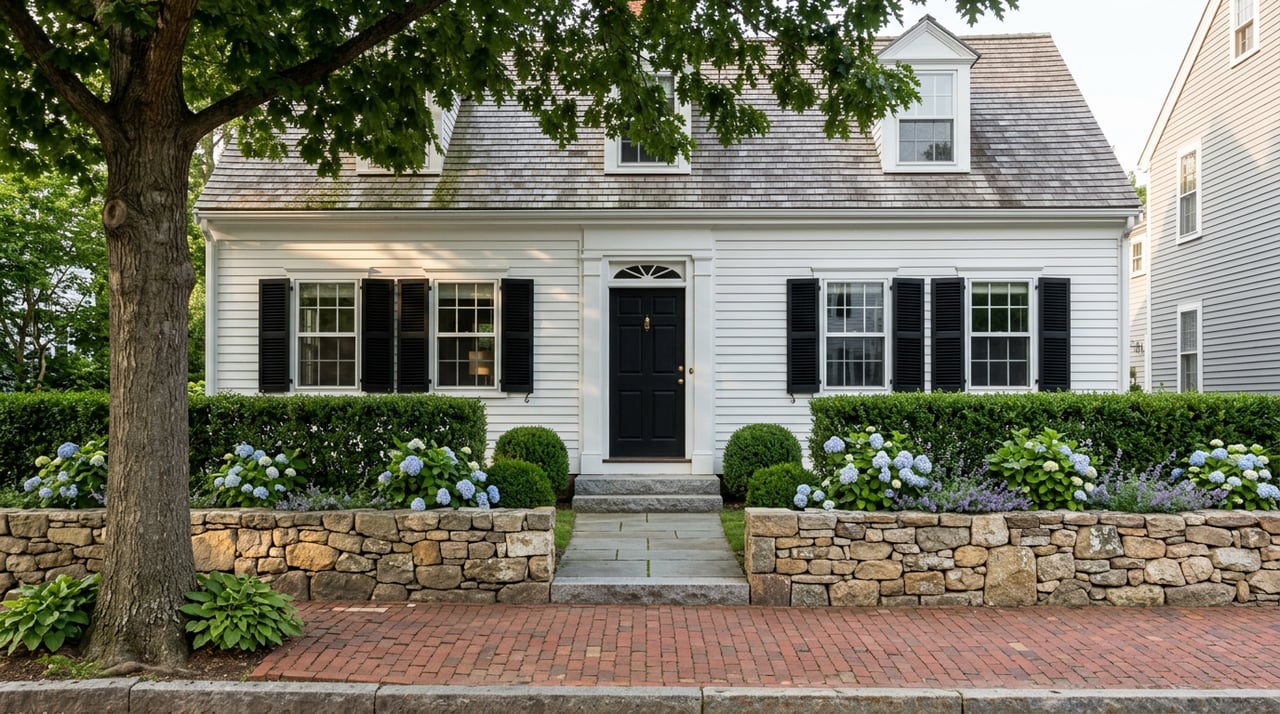
If you are preparing to sell a Greenfield Hill estate, presentation alone is not enough. Today’s buyers notice condition, care, and credibility just as quickly as they notice charm, scale, or architectural character. In a historic area like Greenfield Hill, smart preparation means balancing visual impact with practical planning so your home shows beautifully and your decisions hold up under scrutiny. Let’s dive in.
Start With Greenfield Hill Context
Greenfield Hill includes a historically significant village center that is part of the Greenfield Hill Historic District, a National Register district in Fairfield County. The district is associated with architecture and Timothy Dwight, with significance tied to the 18th and 19th centuries. In Fairfield’s local description, the district centers on the village green, the Greenfield Hill Congregational Church and Church House, and nearby properties along Meeting House Lane, Hillside Road, Old Academy Road, and part of Bronson Road.
For sellers, the more immediate issue is local oversight. According to the Fairfield Historic District Commission handbook, exterior changes visible from a public way may be subject to review in the local historic district. That means your pre-listing plan should consider not only what will look appealing to buyers, but also what may require review before work begins.
Prioritize The Arrival Experience
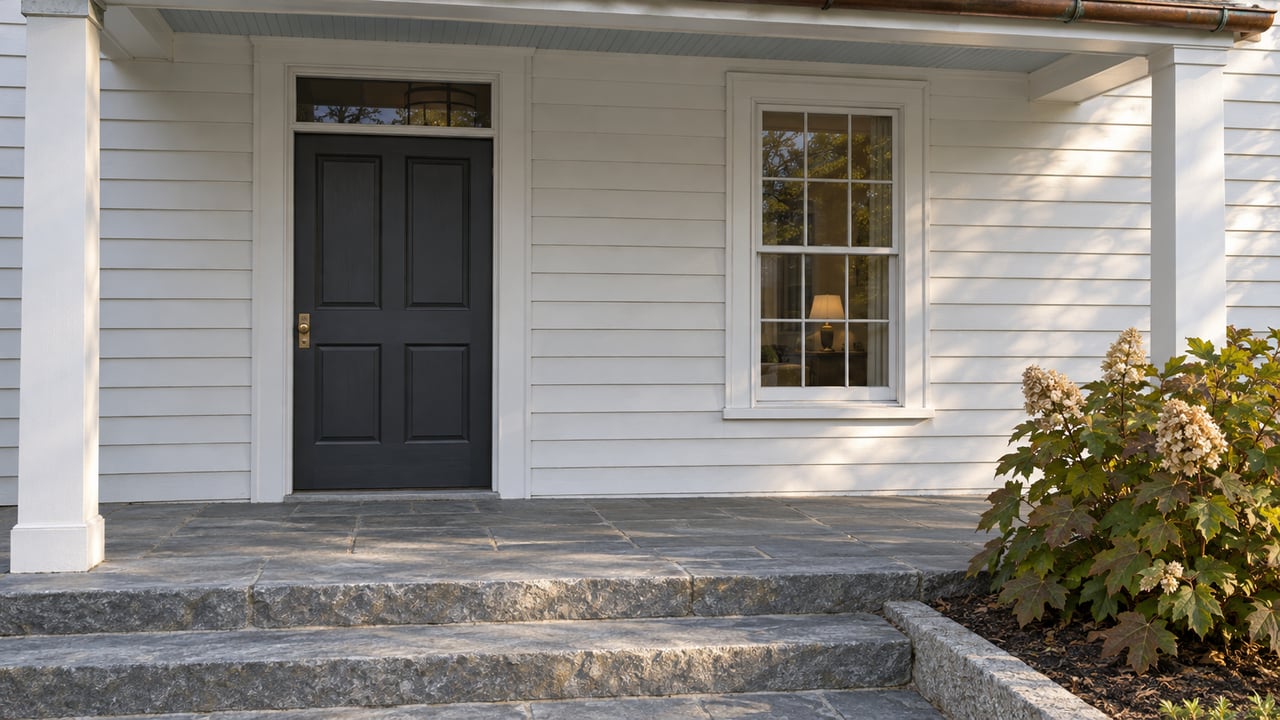
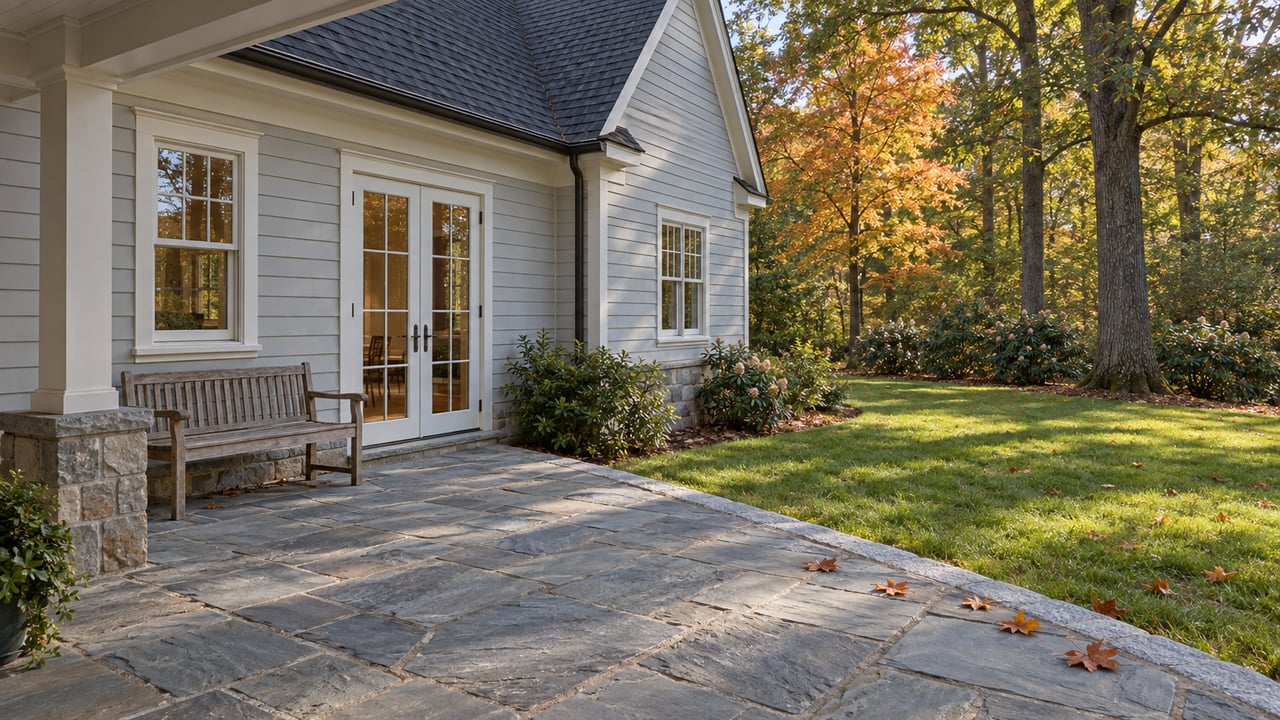
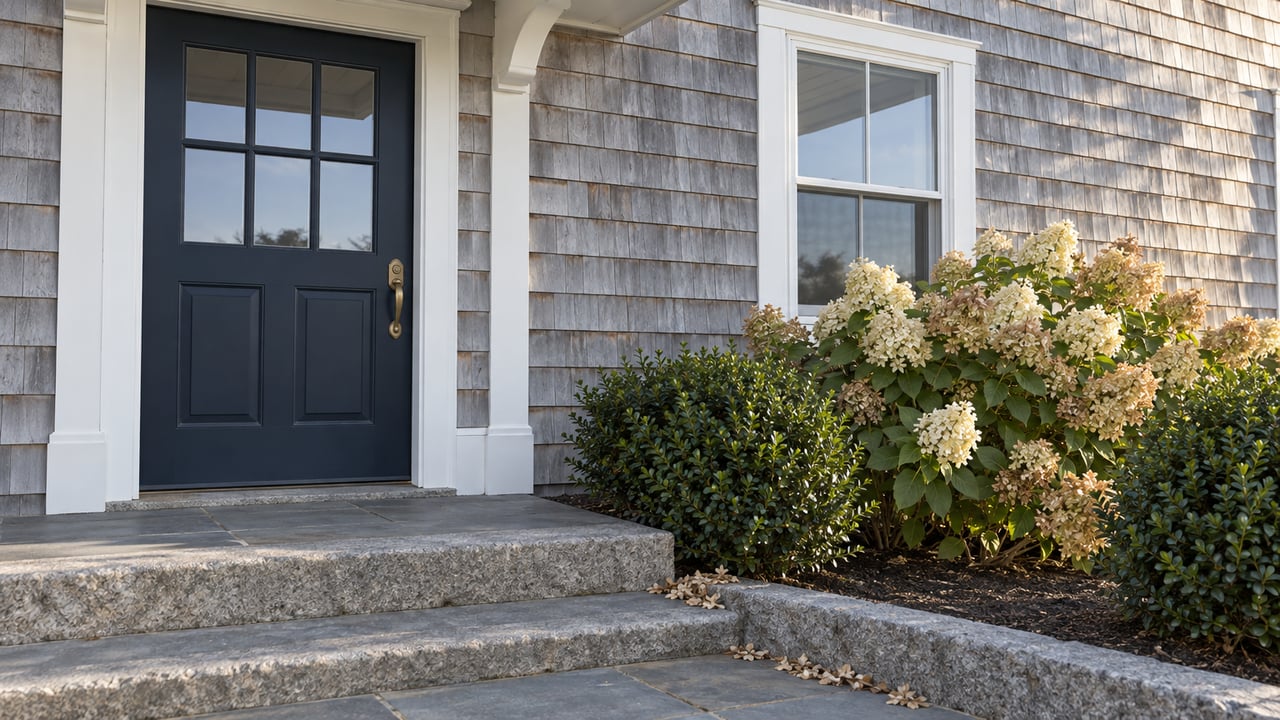
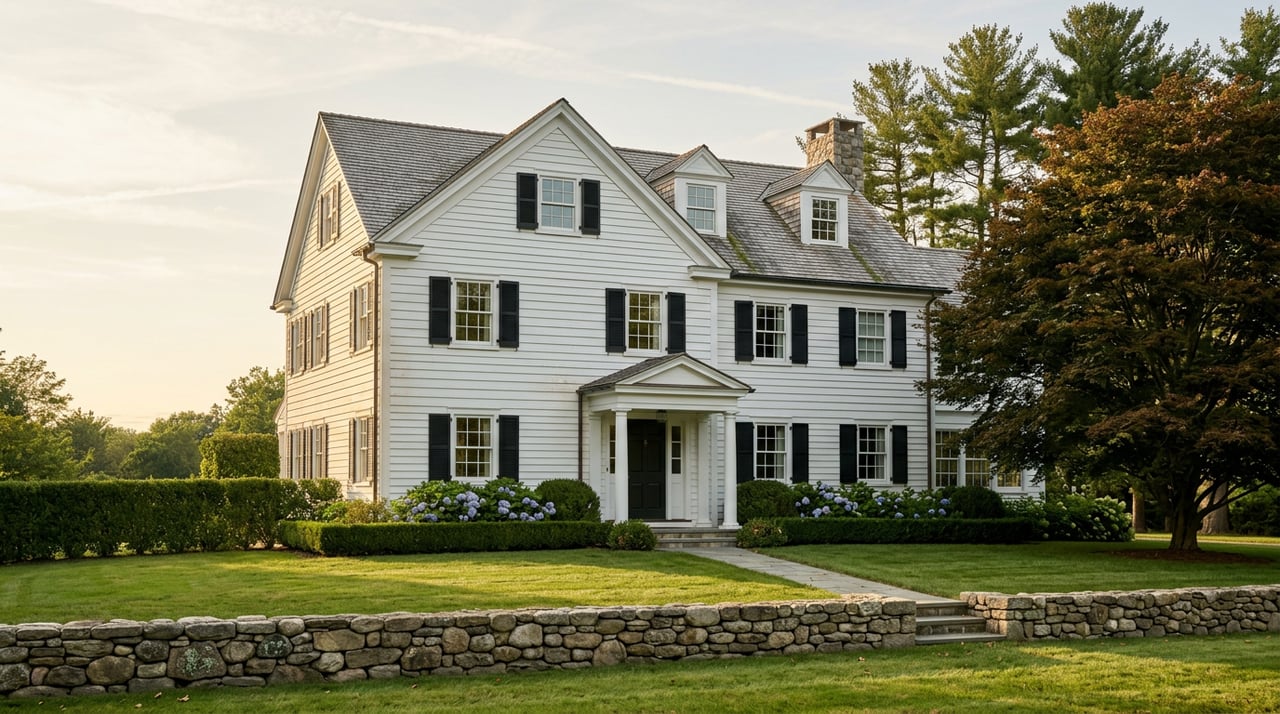
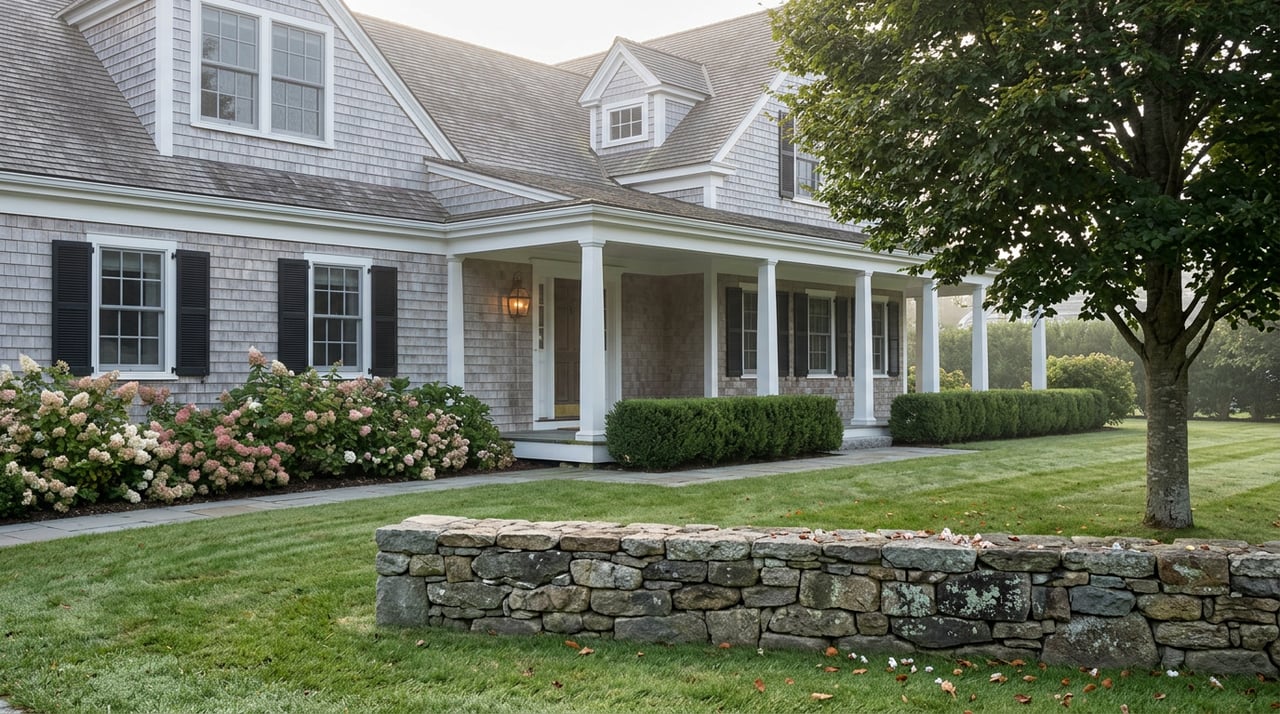
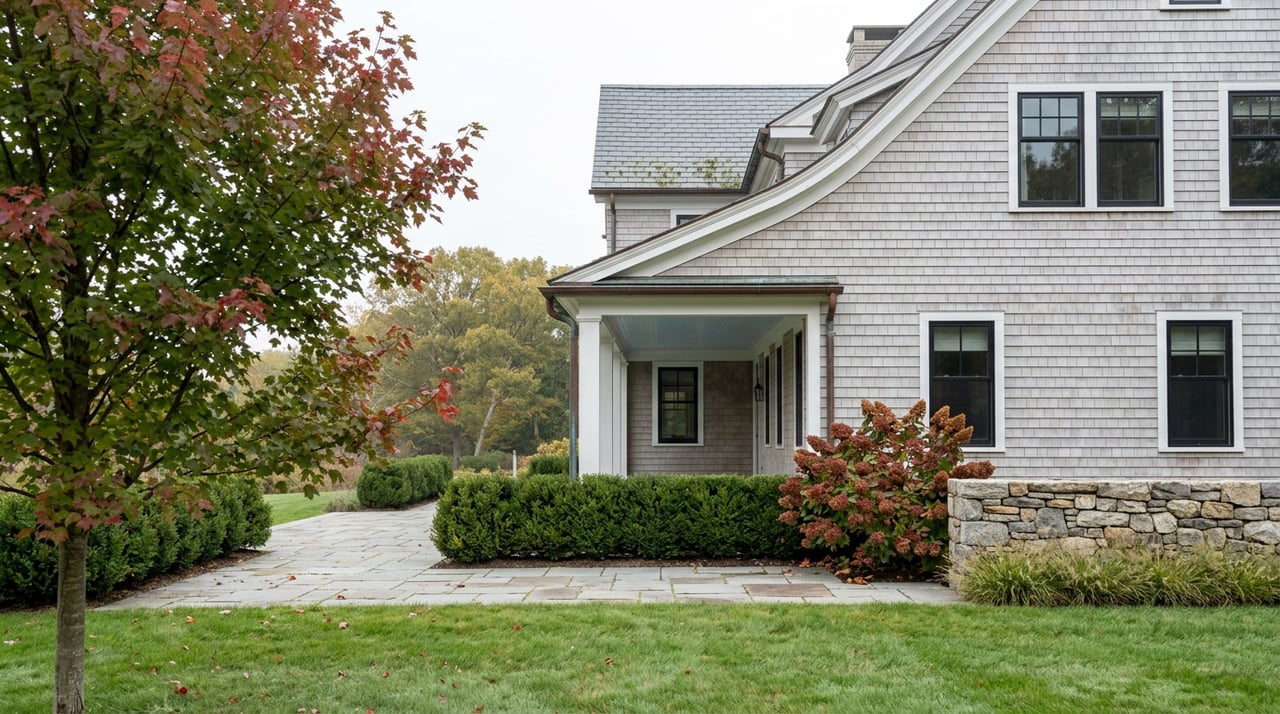
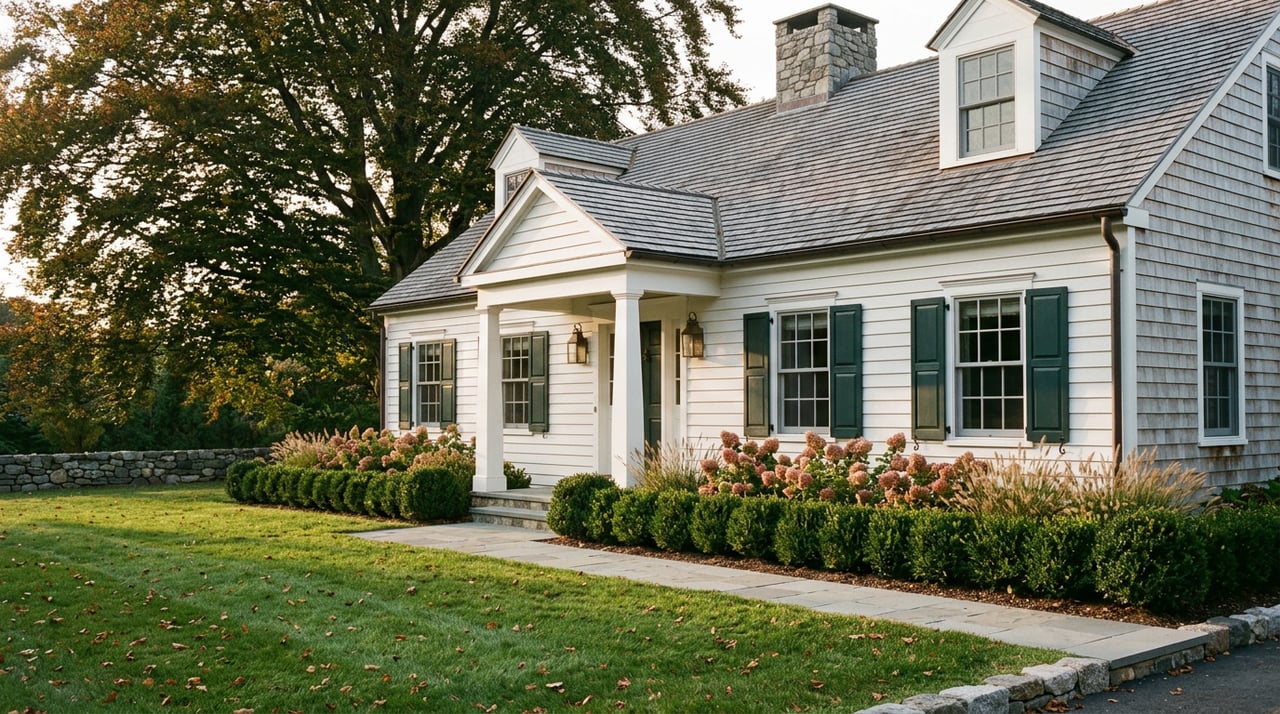
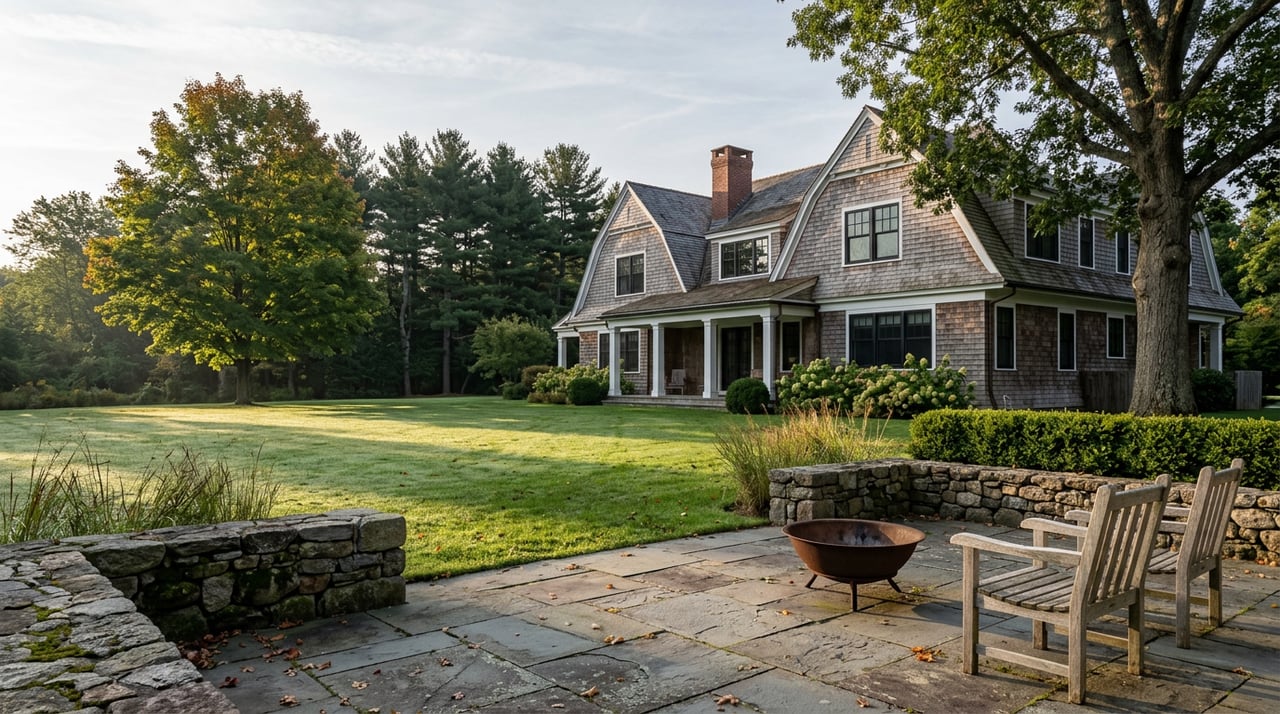
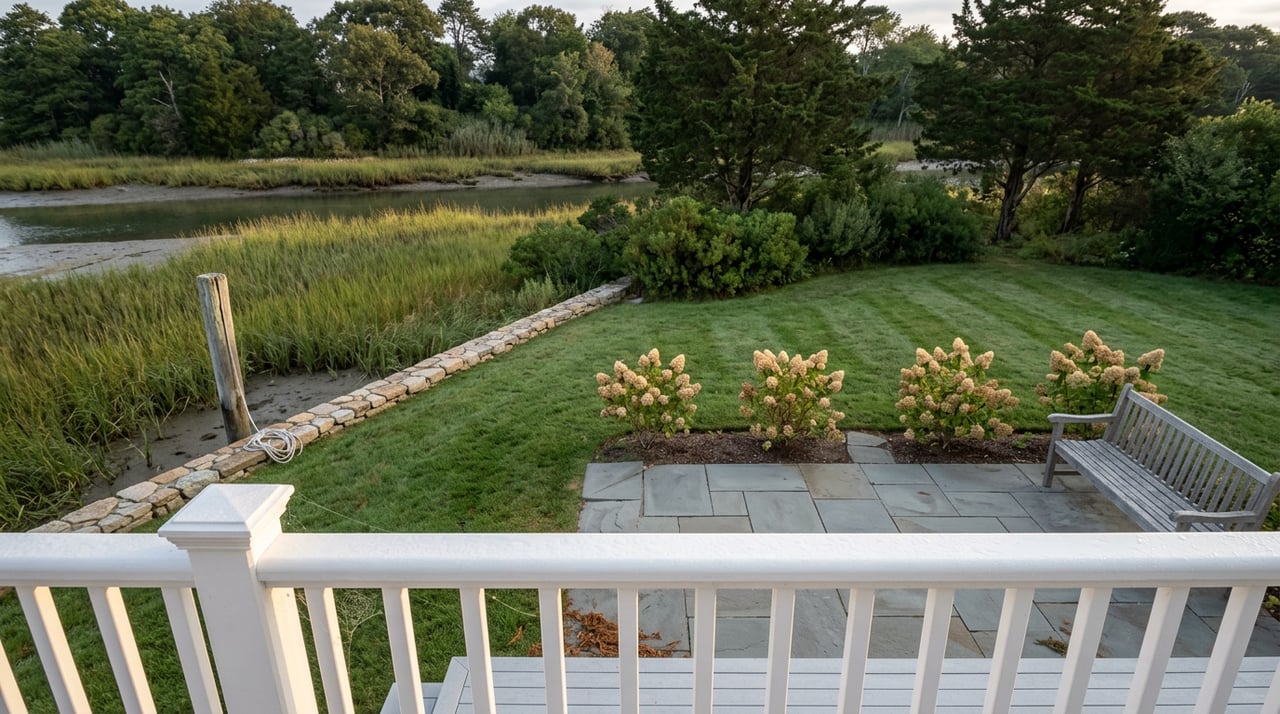
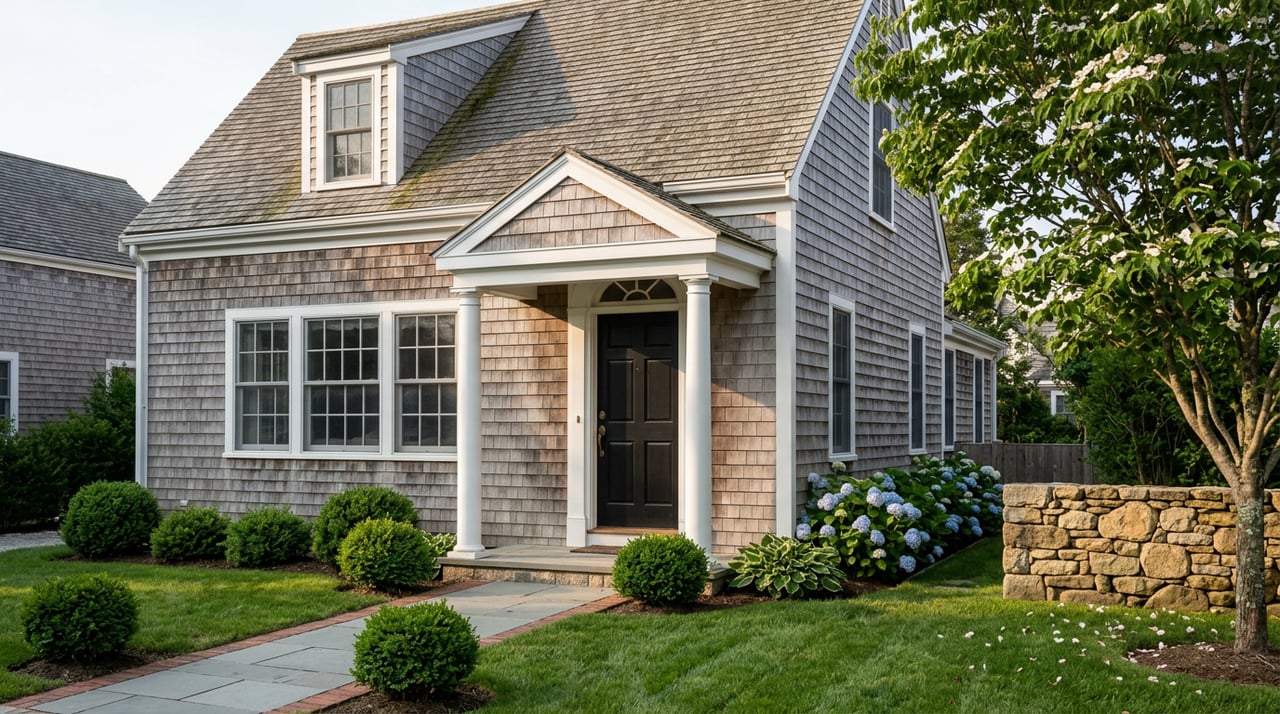
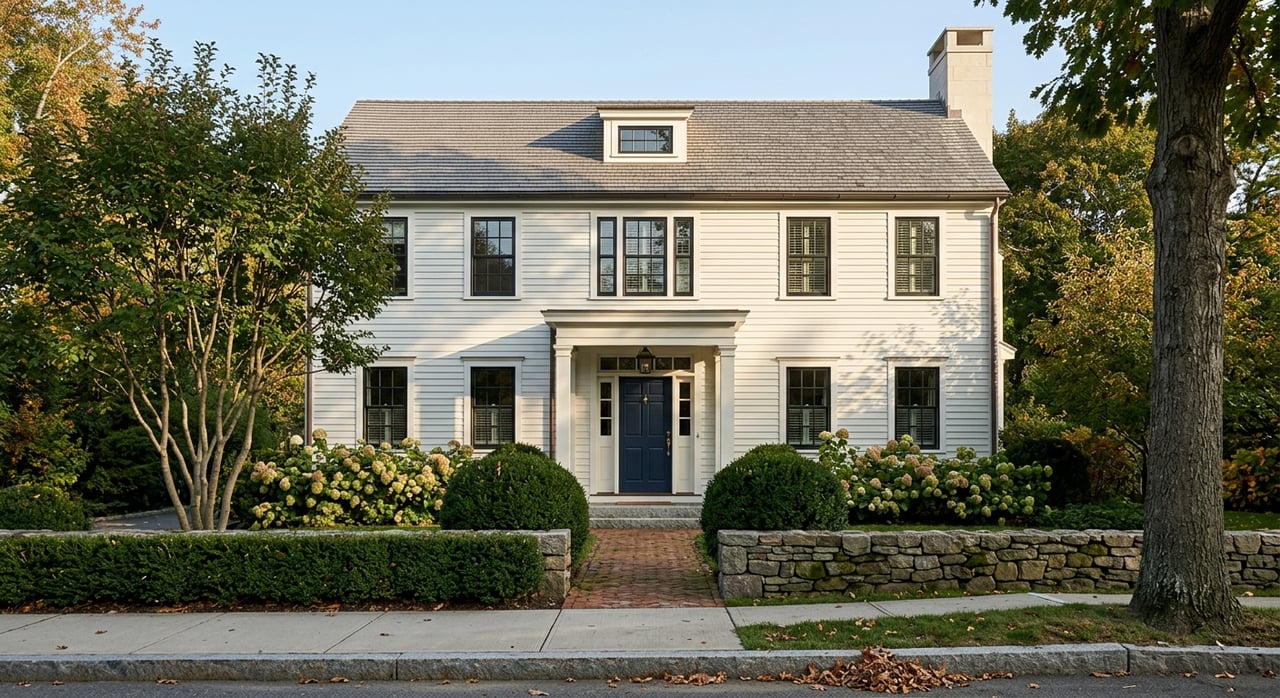
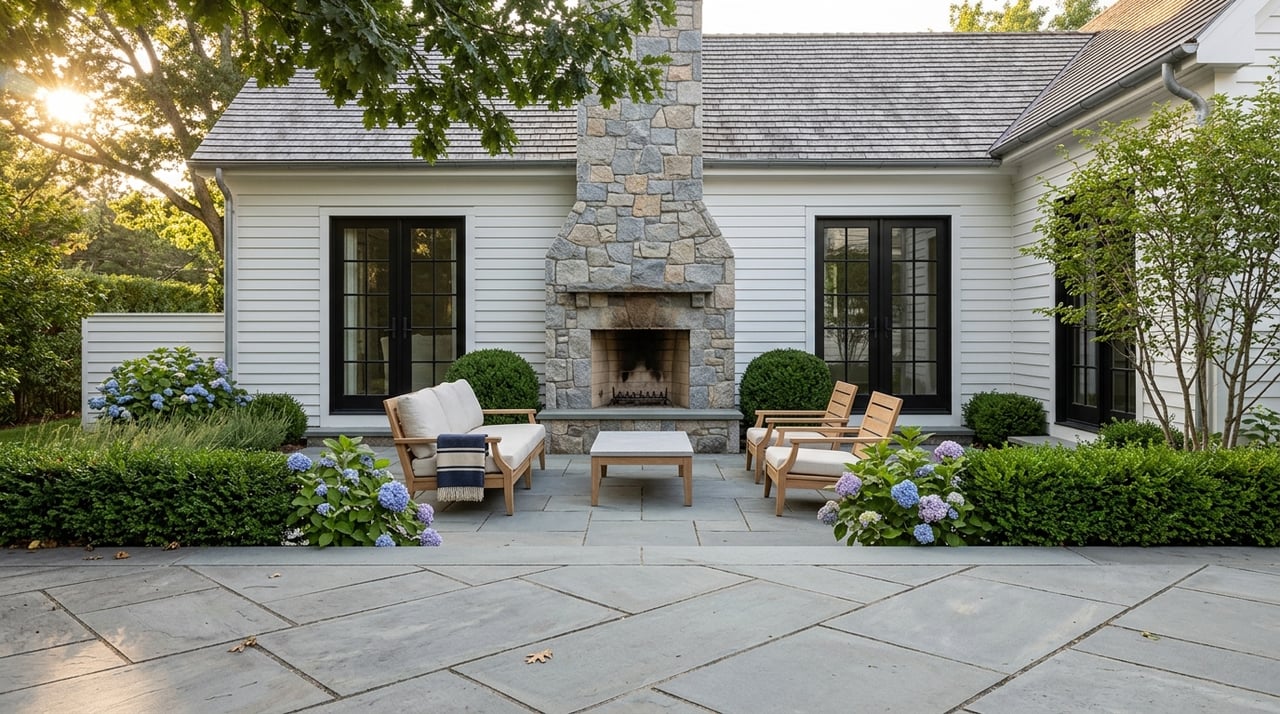
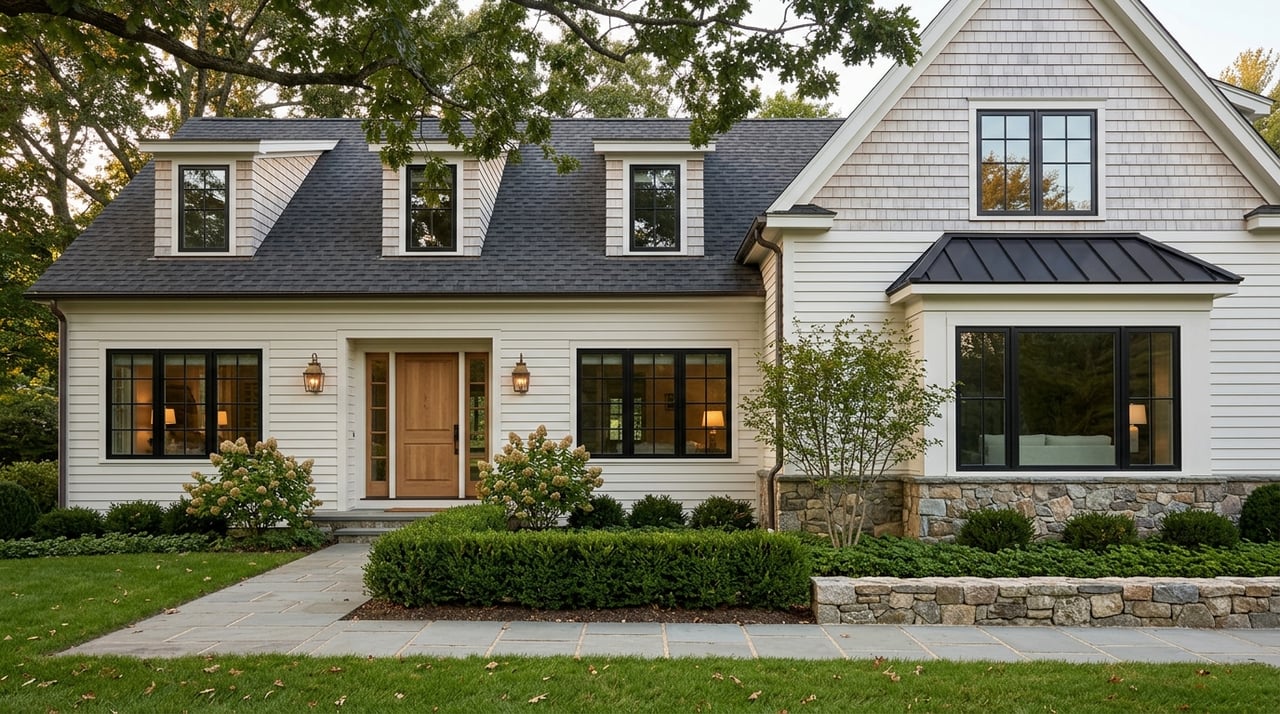
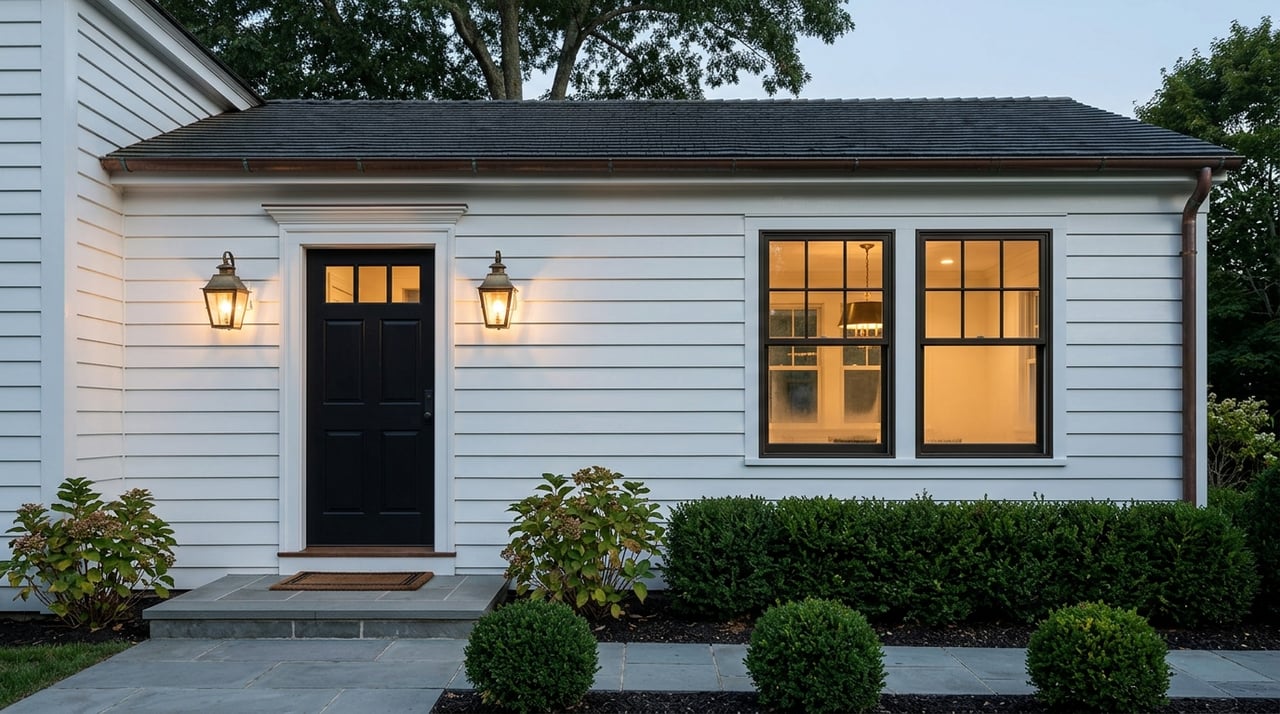
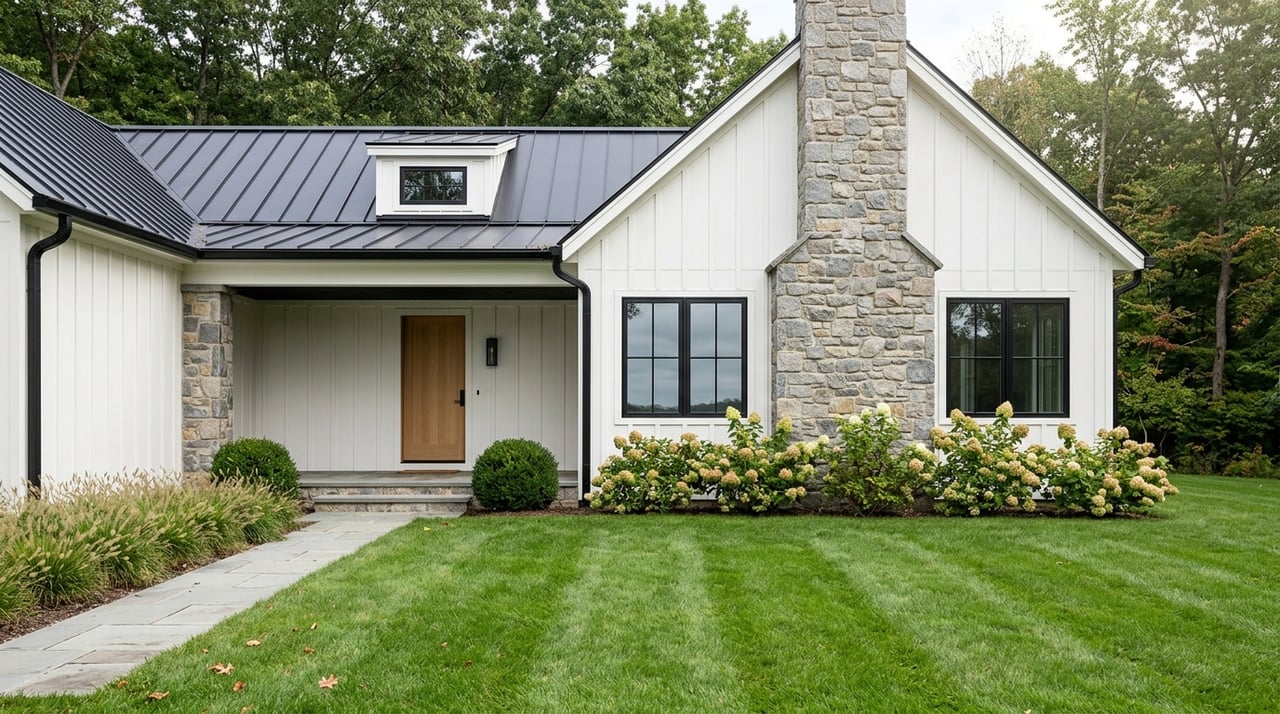
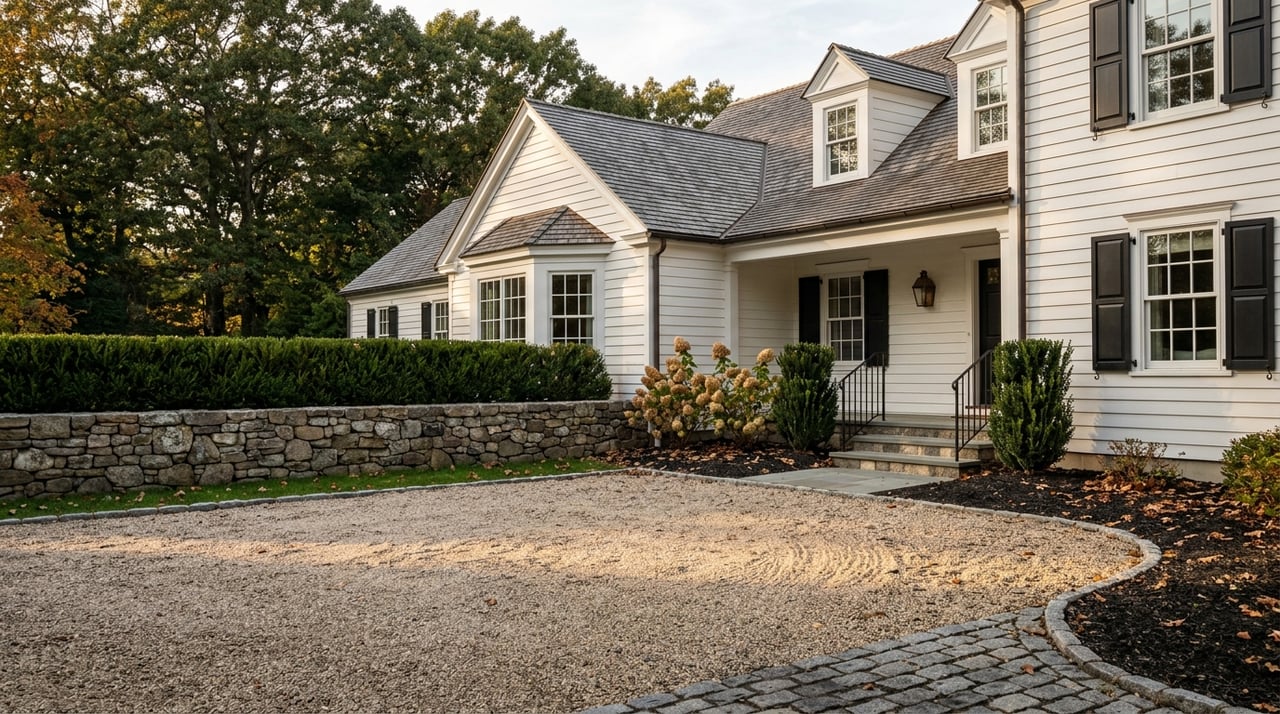
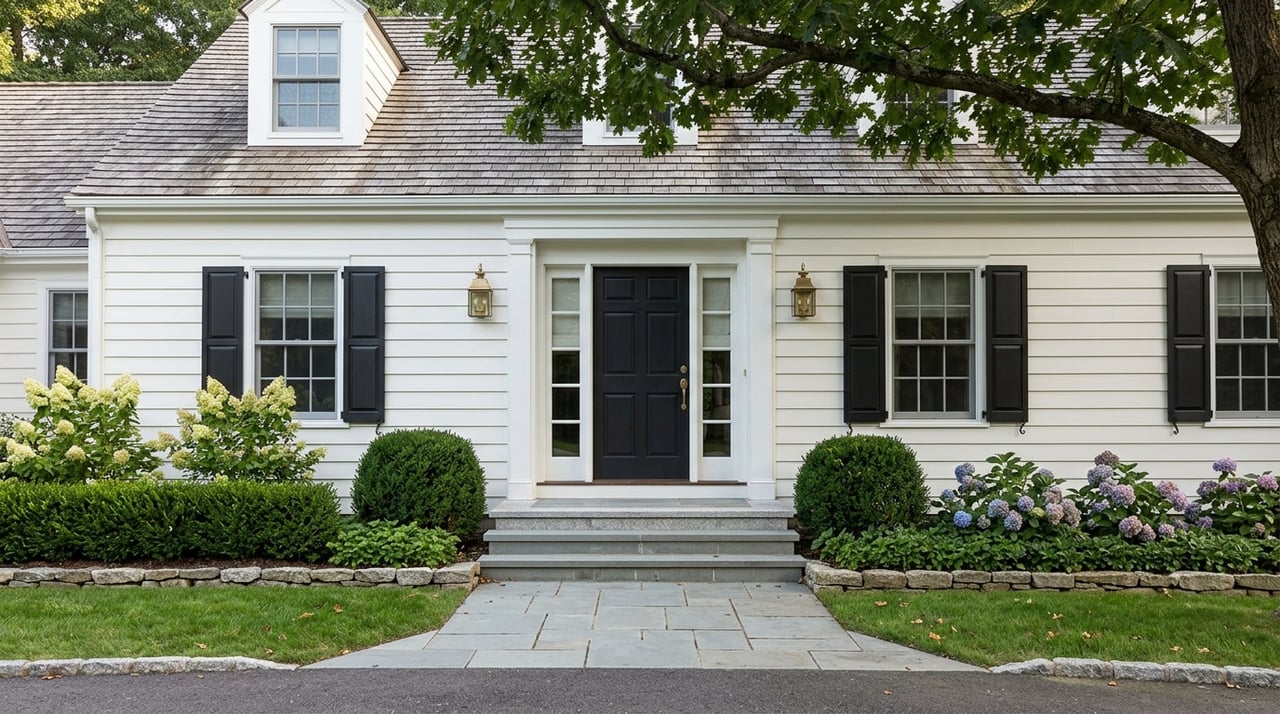
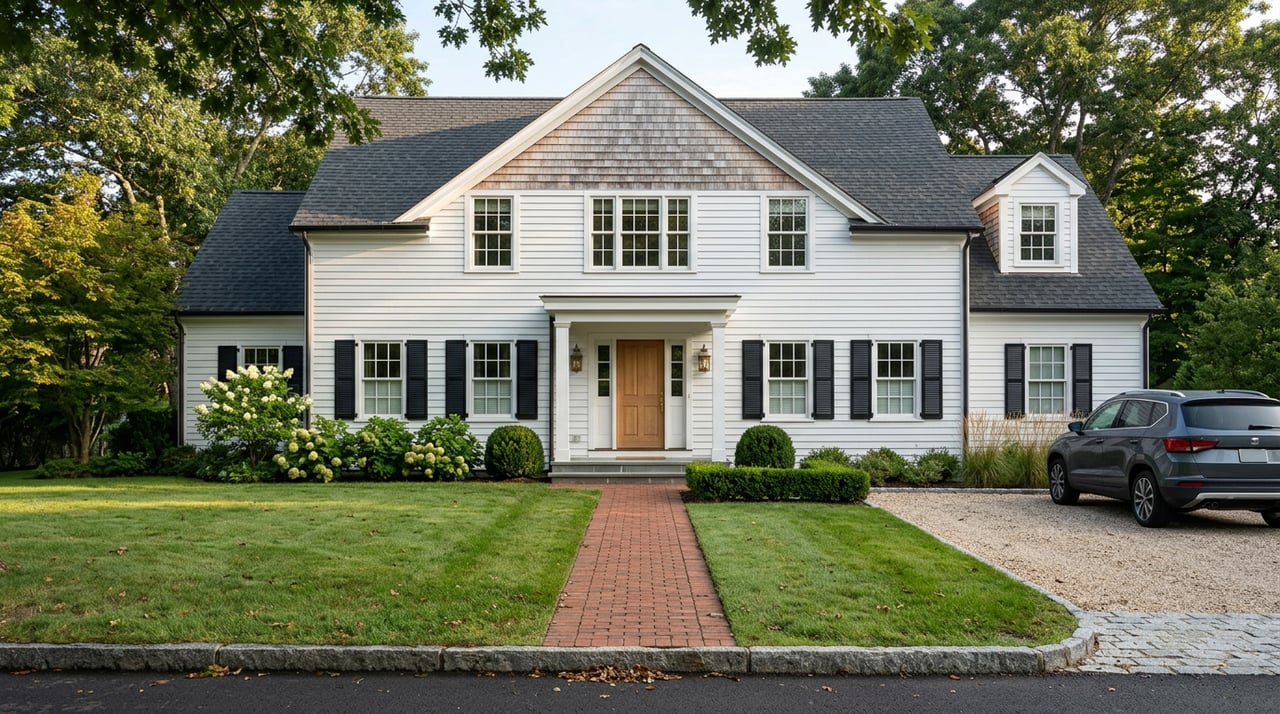
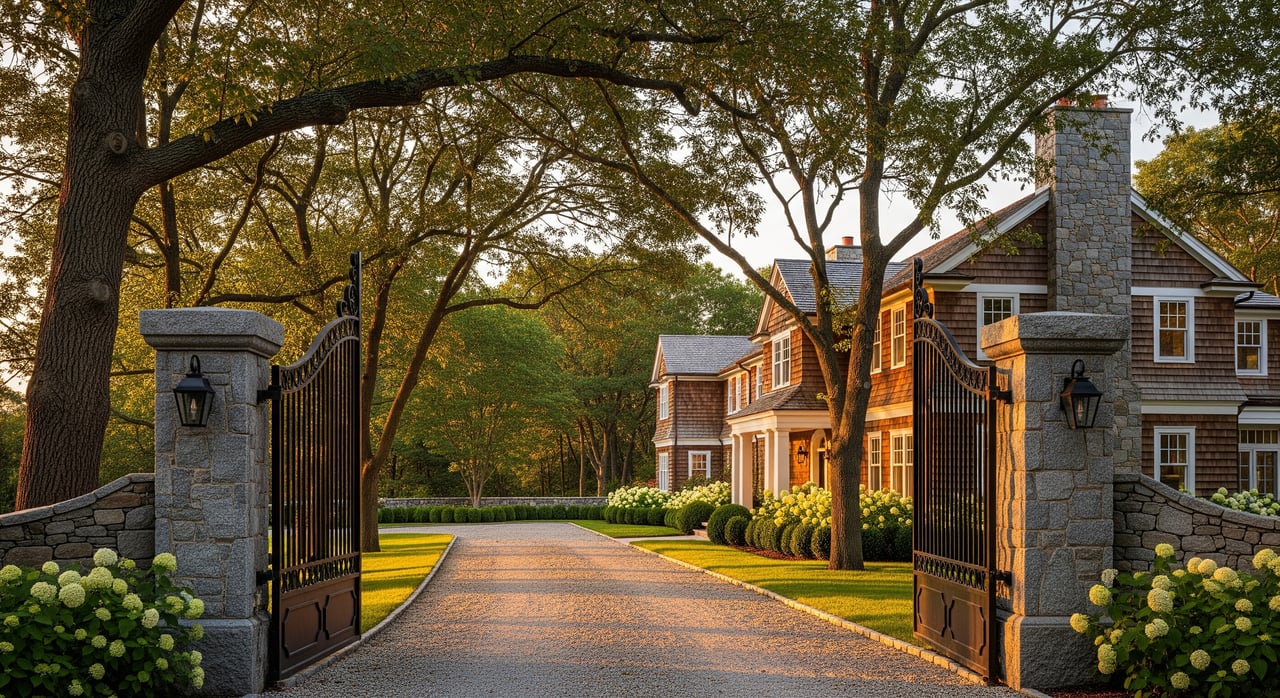
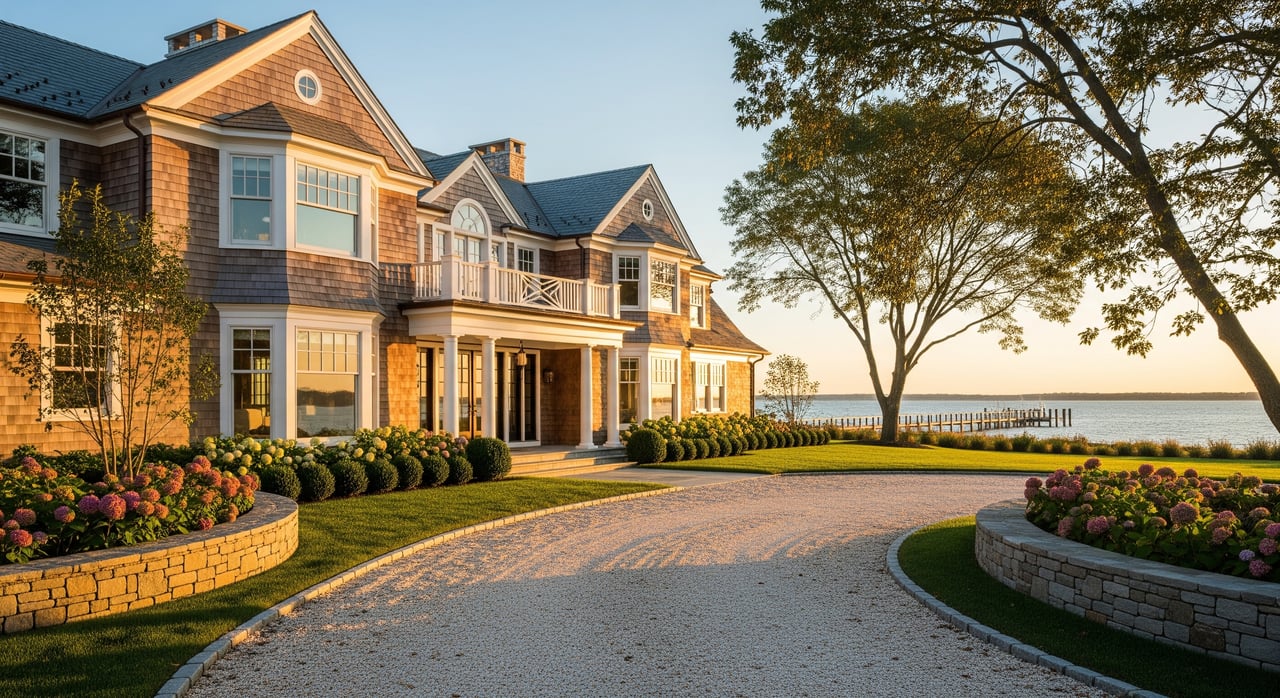
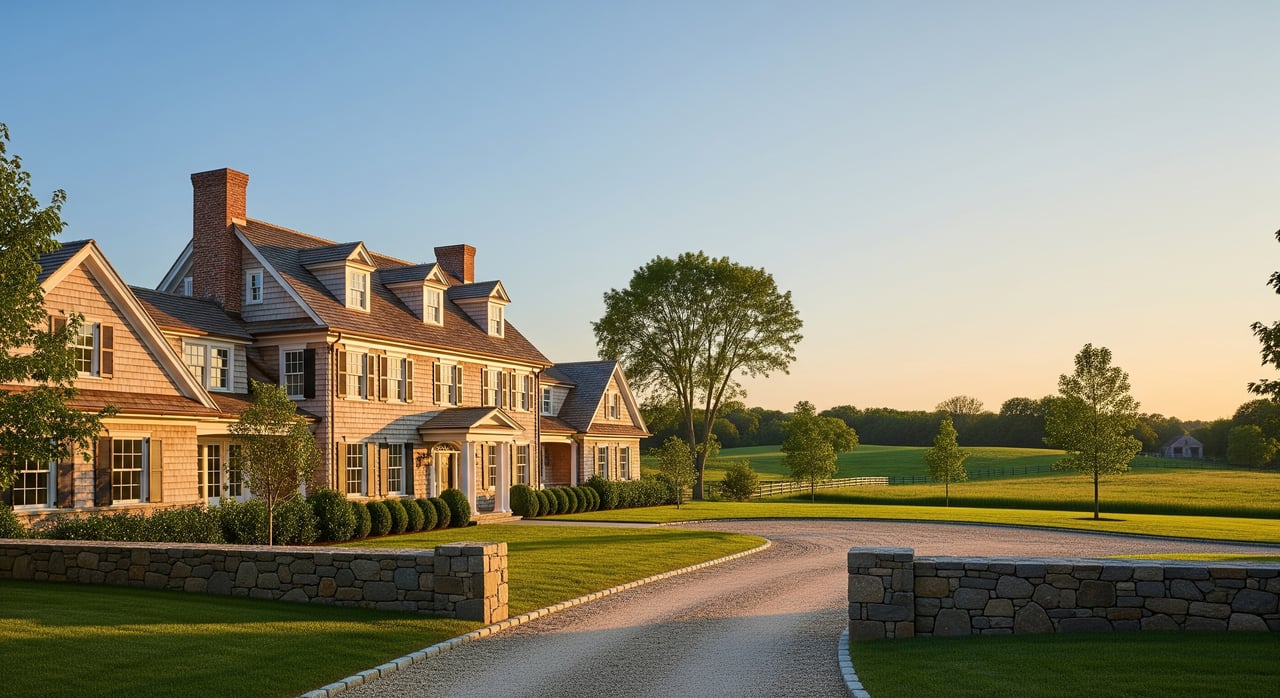
Buyers form opinions before they ever step inside. The approach to the home, including the drive, walkways, front entry, lighting, and landscape structure, often sets the tone for everything that follows.
The National Association of Realtors consumer guide notes that sellers often improve curb appeal by updating landscaping, the front entrance, and paint. The same guidance points out that these steps can improve how the home appears in photos, which matters because many buyers encounter a property online first.
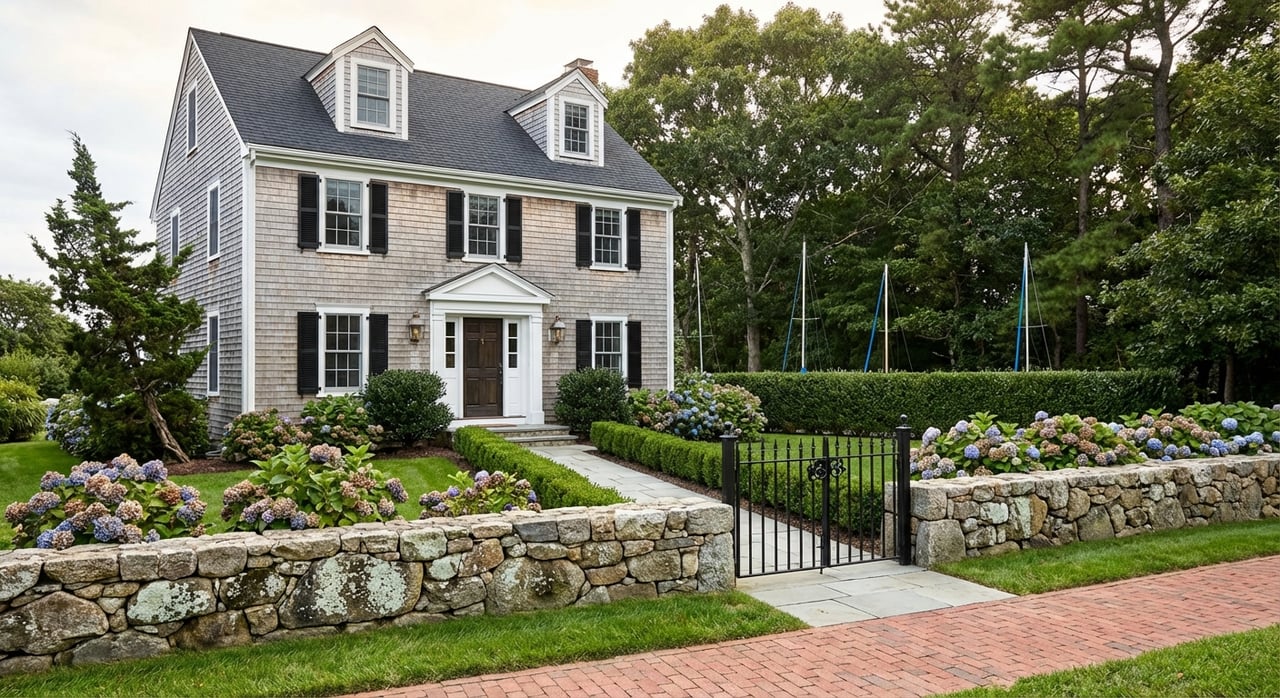
For a Greenfield Hill estate, that first impression should feel composed and intentional. Focus on the visible sequence from the street to the front door:
- Foundation plantings and lawn condition
- Driveway and walkway appearance
- Front steps and entry details
- Exterior lighting
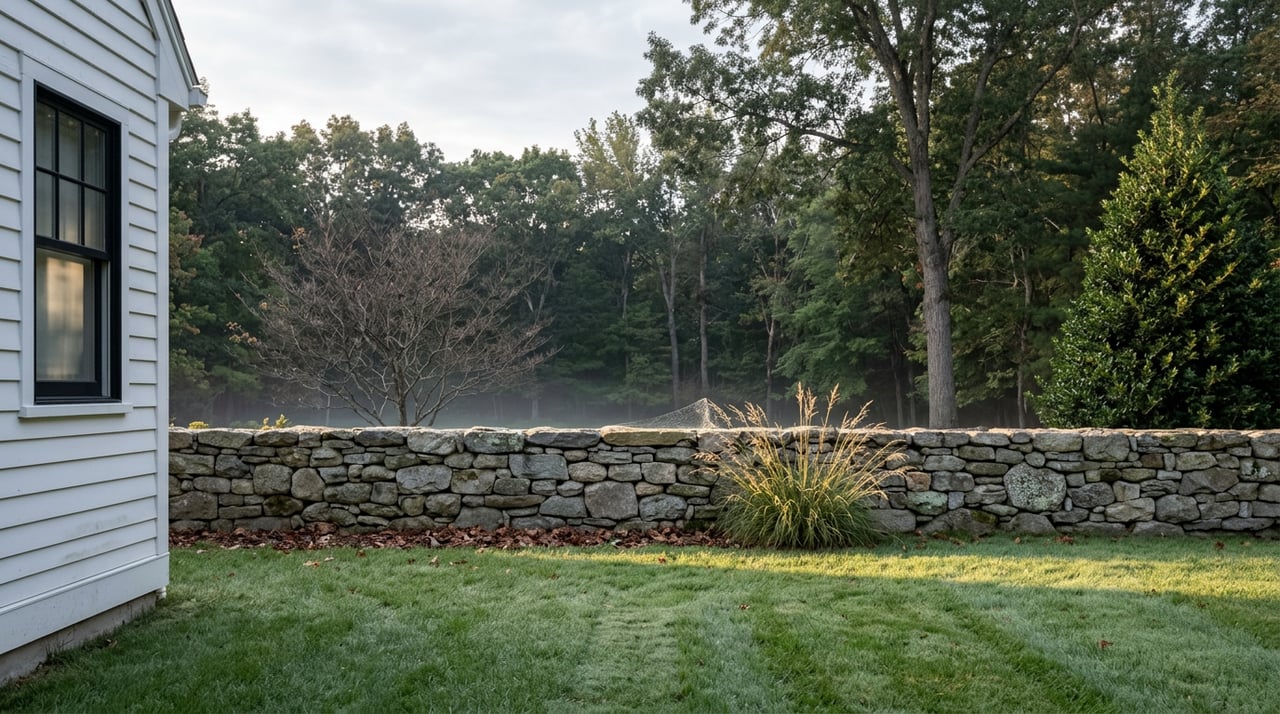
- Gates, fences, and walls where applicable
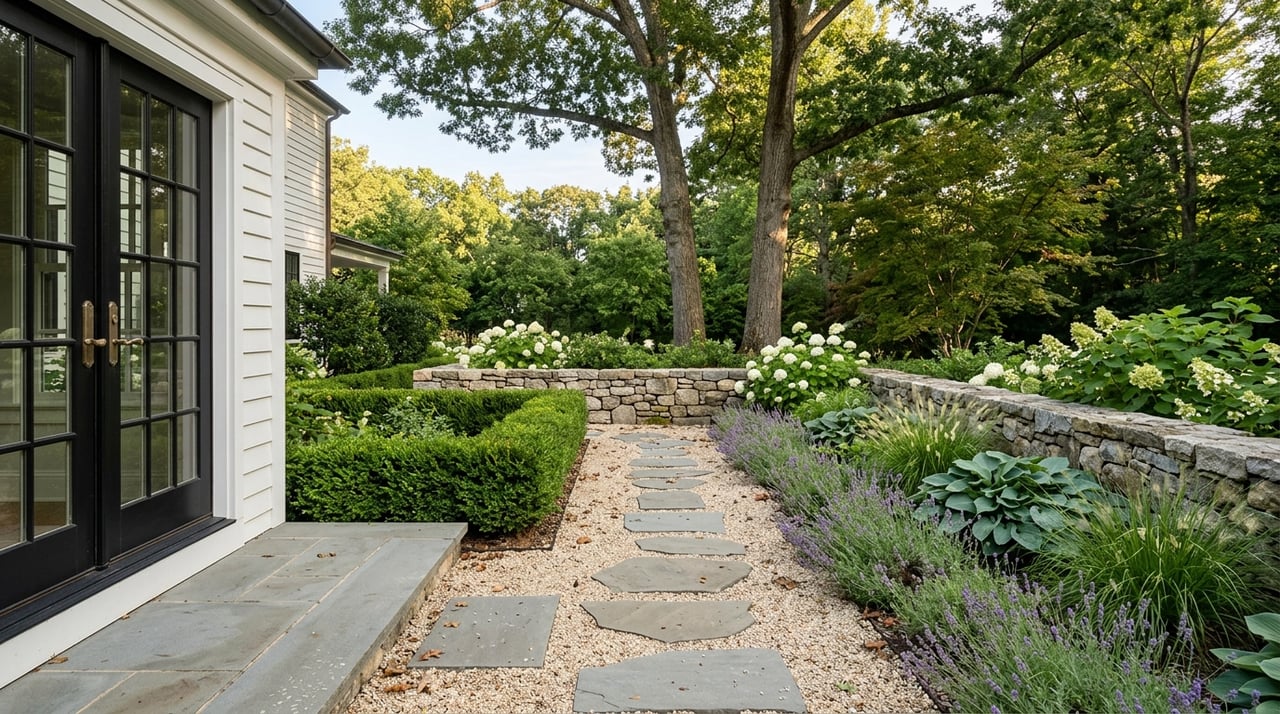
In this area, it is wise to pause before making visible exterior changes. The Fairfield handbook explains that features such as hardscape, lighting, fences, walls, and earthworks can fall within the commission’s review process when visible from a public way. It also notes that visibility is evaluated as if temporary screening from trees or shrubs were not there, so landscaping should not be treated as a workaround.
Check Exterior Work Before You Start
One of the most common seller mistakes is rushing into cosmetic exterior updates without confirming whether they need review. In Greenfield Hill, that can create delays at exactly the wrong time.
Before you schedule new pavers, entry lighting, fencing, or similar exterior work, consult the Historic District Commission handbook and determine whether the proposed change should be checked first. This is especially important if you hope to complete improvements before photography or launch.
A thoughtful plan protects both timing and marketing quality. It also helps you avoid spending money on changes that may not be approved or may need to be revised.
Fix Condition Issues Early
Historic character can be a major strength, but buyers still expect systems and maintenance to be addressed with care. If your home is older, buyers may look closely at the roof, mechanical systems, electrical components, plumbing, fireplaces, and other core features.
According to NAR’s preparing to sell guide, a pre-sale inspection is not required, but it can identify issues before showings begin. The guide says an inspection may review structure, exterior, roof, plumbing, electrical, HVAC, interiors, insulation and ventilation, and fireplaces, and may also include tests for mold, radon gas, lead paint, and asbestos.
The practical advantage is simple: you gain time. Rather than reacting to a buyer’s inspection under pressure, you can decide in advance what to repair, what to disclose, and how to price the property with better information.
Consider A Pre-Listing Inspection
A pre-listing inspection can be especially useful for a Greenfield Hill estate because it gives you more control over the process. The American Society of Home Inspectors notes that this approach can help sellers manage repairs on their own timeline, support more accurate pricing, and reduce last-minute negotiation friction.
That does not mean you must repair every issue. NAR advises sellers to estimate the cost of major repairs even if they do not plan to complete them before listing, since buyers often factor those costs into negotiations. This gives you a clearer framework for pricing strategy and buyer conversations.
It is also a good time to gather:
- System manuals
- Appliance documentation
- Transferable warranties
- Service records
- Repair receipts
Well-organized information signals care and helps build buyer confidence.
Clean, Declutter, And Simplify
Before staging begins, remove visual distractions. NAR’s 2025 staging report found that the most common seller recommendations were decluttering at 91%, cleaning the entire home at 88%, and improving curb appeal at 77%.
Those numbers are a useful reminder that preparation is not only about renovation. Often, the strongest early improvements come from editing the home so buyers can focus on space, light, and architectural detail.
NAR also recommends practical steps such as cleaning windows, carpets, lighting fixtures, and walls, and storing away clutter before listing. In a substantial estate, these details matter because they influence how rooms feel both in person and on camera.
Stage The Rooms That Matter Most
Not every room needs the same level of effort. If you want your preparation budget to work harder, focus first on the spaces that shape buyer perception.
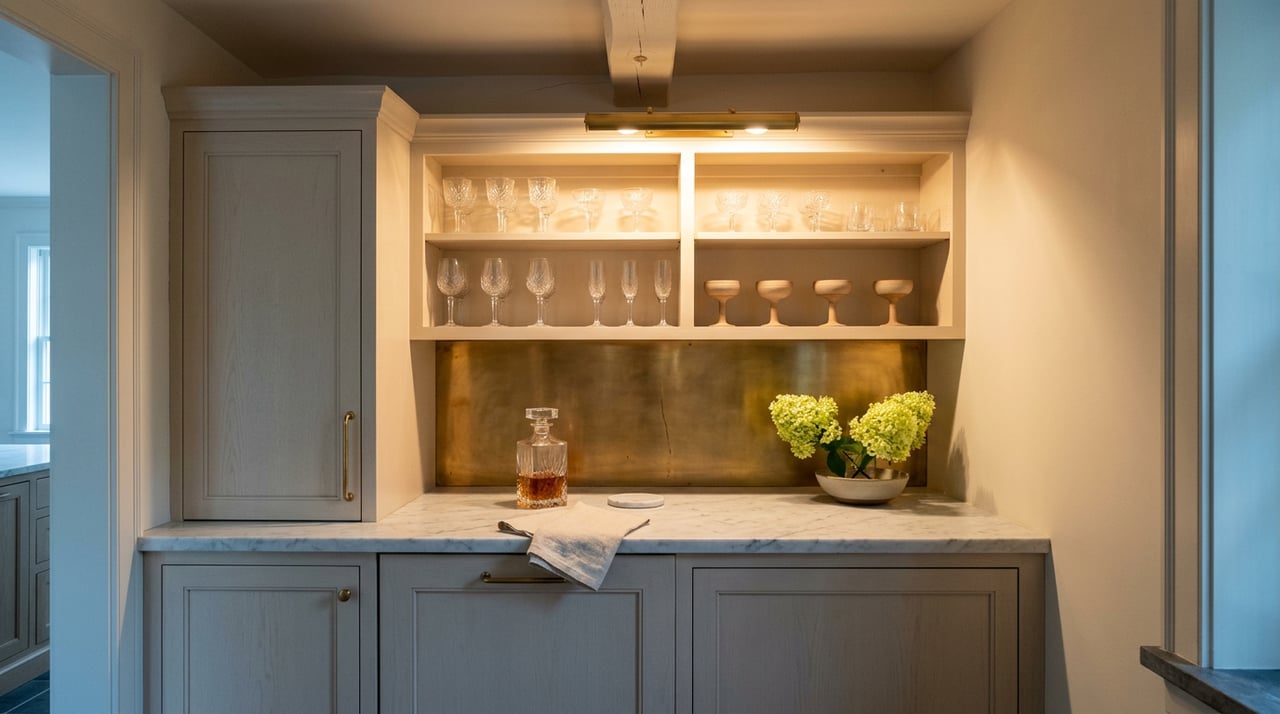
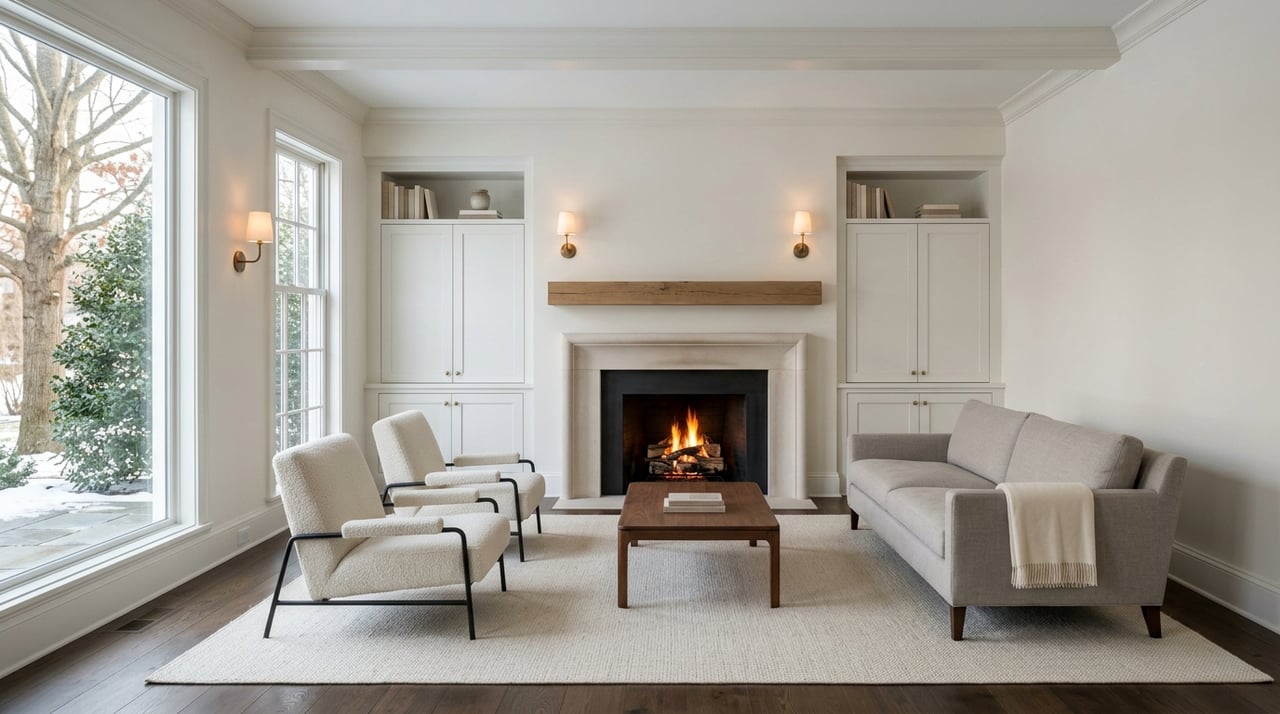
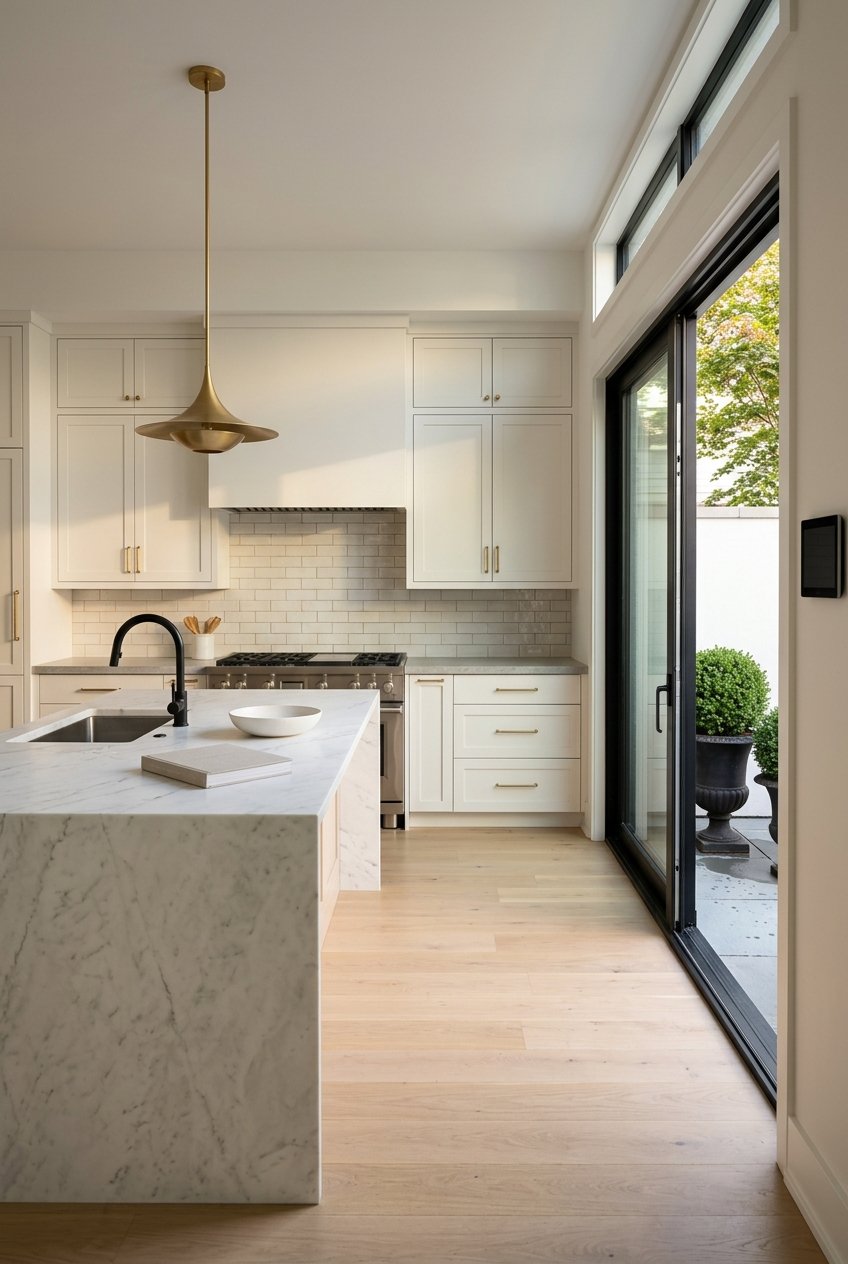
According to NAR’s 2025 staging findings, the rooms buyers cared about most were the living room, primary bedroom, and kitchen. Sellers most often staged the living room, primary bedroom, dining room, and kitchen.
For a Greenfield Hill estate, these rooms usually carry the emotional weight of the home. They communicate how the property lives day to day, how it entertains, and how original character and updated comfort come together.
A focused staging plan should usually prioritize:
- Living room
- Primary bedroom
- Kitchen
- Dining room
The goal is not to overstyle the home. It is to present it with enough clarity and warmth that buyers can understand its scale, function, and quality right away.
Invest In Strong Photography
Photography is no longer optional at the luxury level. It is one of the core tools that shapes buyer interest before a showing is ever scheduled.
NAR reports that buyer agents ranked photos as highly important to clients at 73%, followed by physical staging at 57%, videos at 48%, and virtual tours at 43%. The same report found that 49% of agents saw staging reduce time on market, and 29% reported a 1% to 10% increase in the dollar value offered.
That makes one point very clear: the home should be fully prepared before it is photographed. If you intend to refresh landscaping, clean windows, edit furnishings, or address deferred maintenance, complete those steps first so your visual marketing reflects the home at its best.
Tell A Credible Estate Story
Greenfield Hill offers more than curb appeal. It offers context, and that context can deepen a property’s appeal when it is presented accurately.
If your estate is within or connected to the Greenfield Hill Historic District, your marketing should stay grounded in documented facts. That may include the district’s architectural significance, its historical association with Timothy Dwight, and preserved or period-appropriate features already supported by the property record.
This kind of narrative feels more trustworthy than vague references to history or prestige. It also suits discerning buyers, who often respond best to details that are specific, well-researched, and tied to the home itself.
Build A Smart Prep Timeline
The strongest listing launches usually begin with a clear sequence. For a Greenfield Hill estate, that sequence should account for both condition and any local review considerations.
A practical prep path often looks like this:
- Confirm whether the home is in the local historic district and whether planned exterior work should be reviewed.
- Evaluate the exterior approach, including landscaping, hardscape, lighting, and entry presentation.
- Consider a pre-listing inspection to identify repair priorities.
- Address deferred maintenance and gather records, manuals, and warranties.
- Clean thoroughly and declutter.
- Stage priority rooms with restraint and purpose.
- Photograph and market the home once presentation is complete.
This order helps reduce surprises and keeps your launch aligned with how buyers actually evaluate a property.
Preparing a Greenfield Hill estate for today’s buyers is not about stripping away character or chasing trends. It is about presenting the home with care, credibility, and a clear understanding of what buyers notice first. If you are considering a sale and want a thoughtful plan for timing, presentation, and market positioning, Emily Gordon offers experienced, design-informed guidance tailored to significant Fairfield County properties.
FAQs
Do I need a pre-sale inspection for a Greenfield Hill estate?
- No, but NAR says a pre-sale inspection can reveal issues before showings, help with pricing, and give you time to repair or disclose concerns in advance.
What exterior changes in Greenfield Hill should be checked first?
- If your home is in the local historic district, visible exterior changes such as hardscape, lighting, fences, walls, or earthworks should be checked against the Fairfield Historic District Commission process before work begins.
Which rooms should I stage first in a Greenfield Hill home?
- Based on NAR staging data, the living room, primary bedroom, kitchen, and dining room are the best places to focus first.
Why is photography so important when selling a Fairfield estate?
- NAR found that photos were the most important marketing asset to buyers’ agents, which means strong visuals can shape interest before buyers ever visit in person.
How should I talk about a Greenfield Hill home’s history in marketing?
- Use documented facts, such as verified architectural significance or historic district context, so the property story feels credible, specific, and useful to buyers.