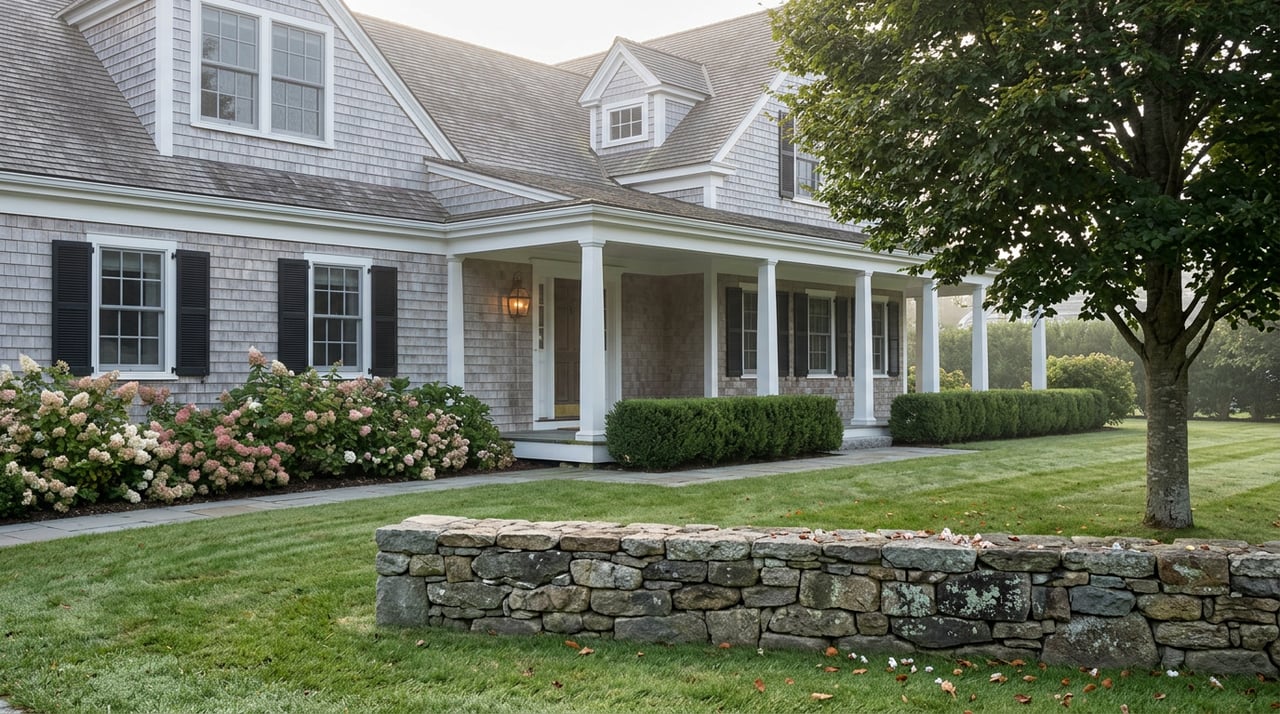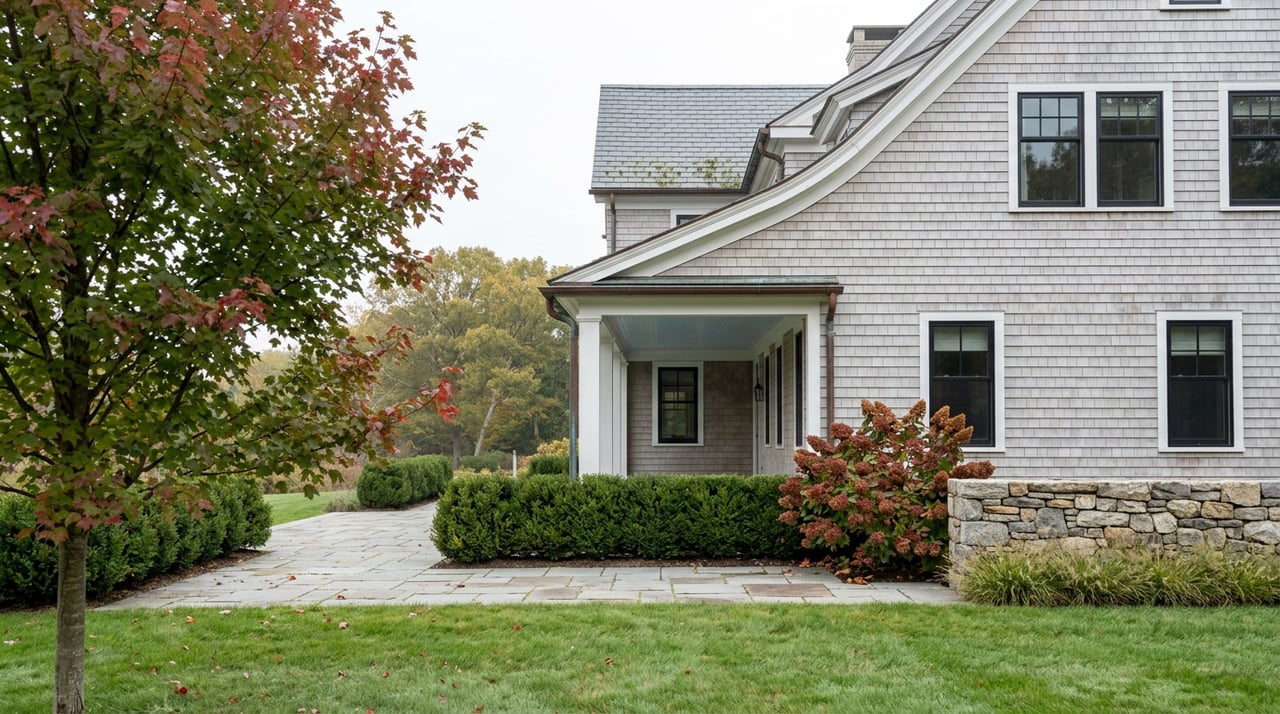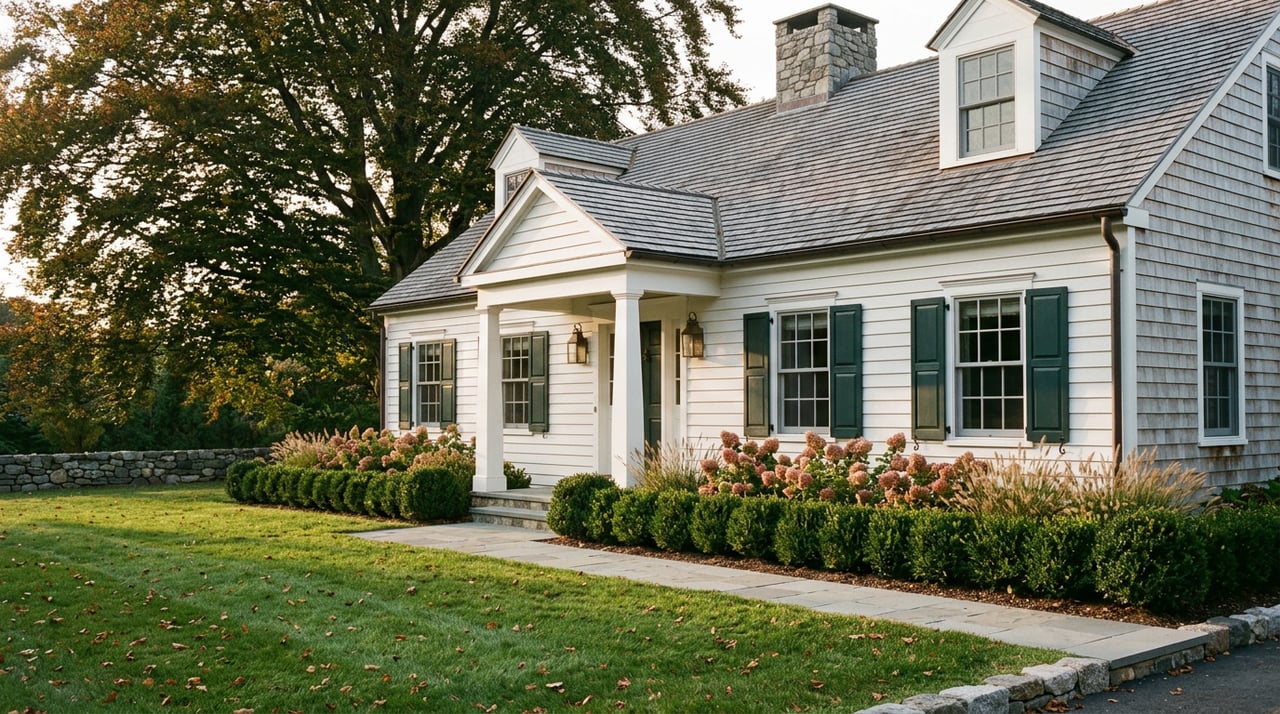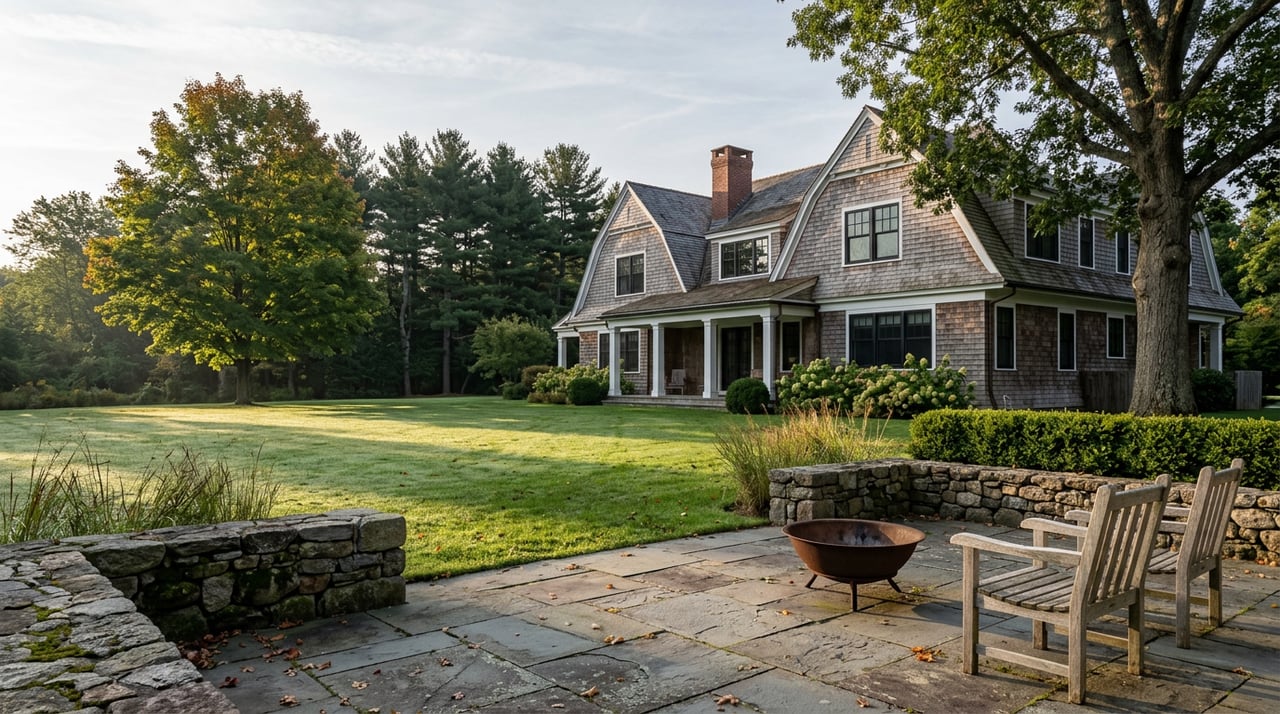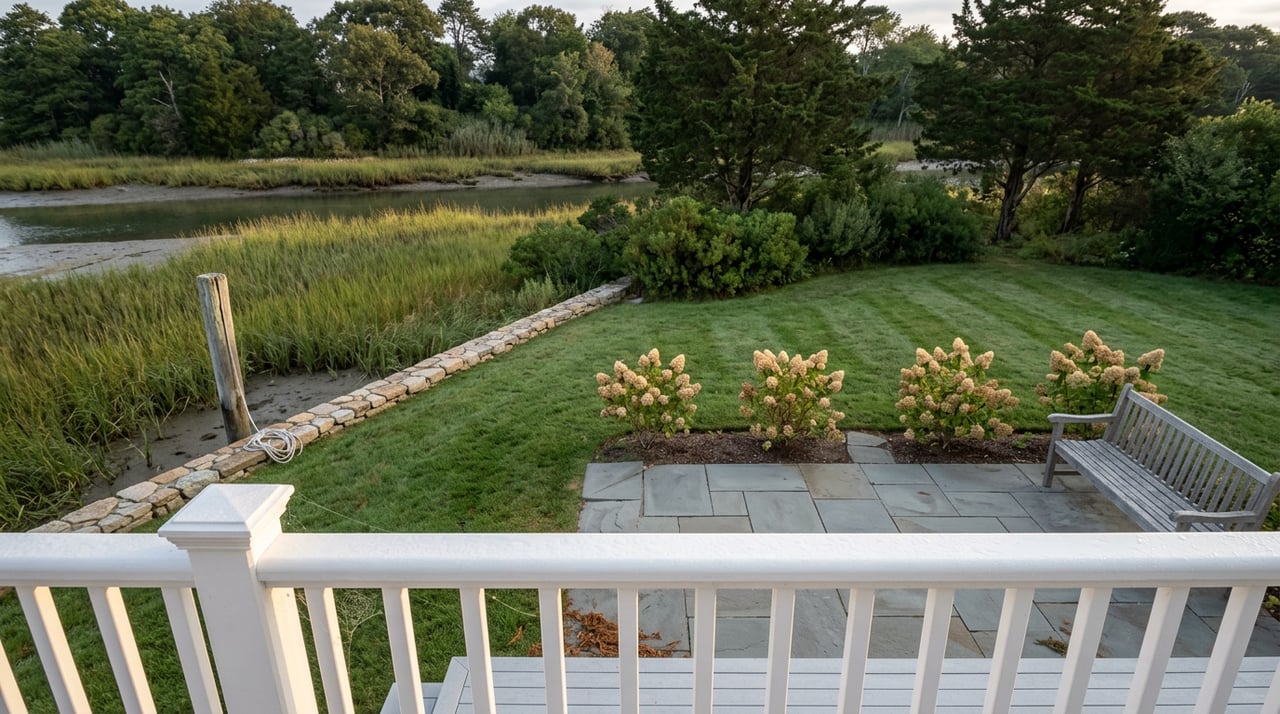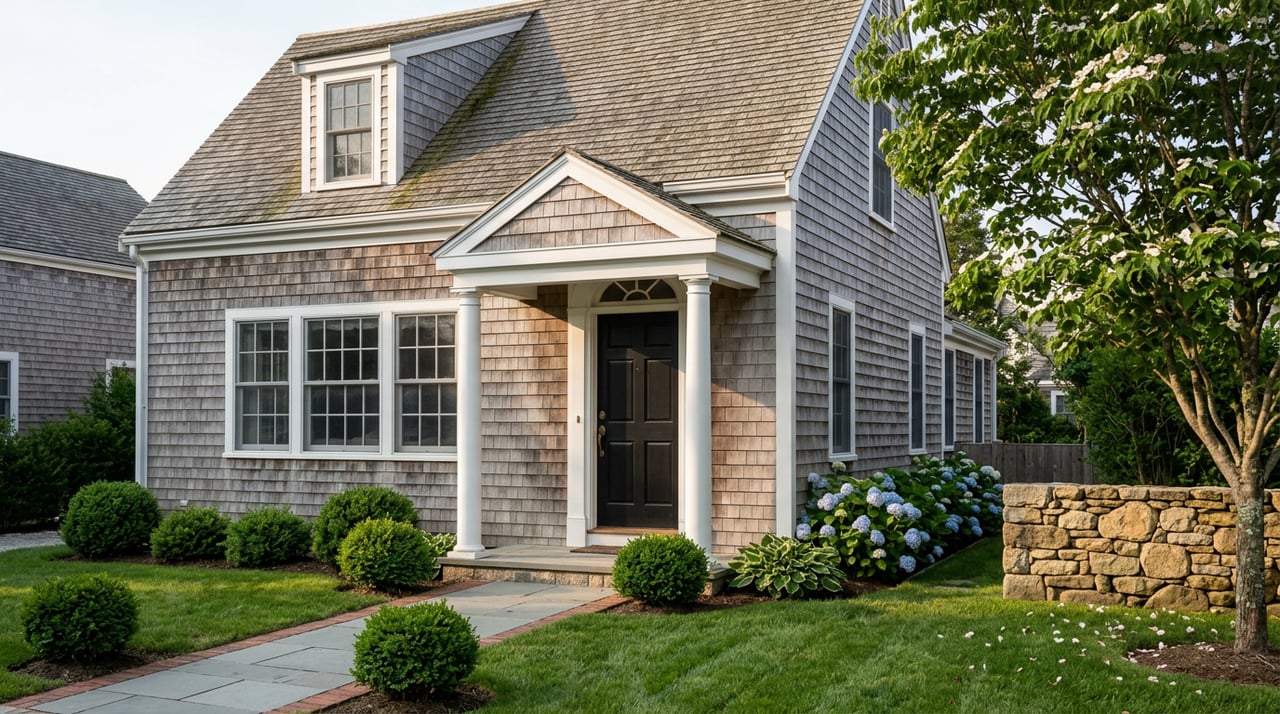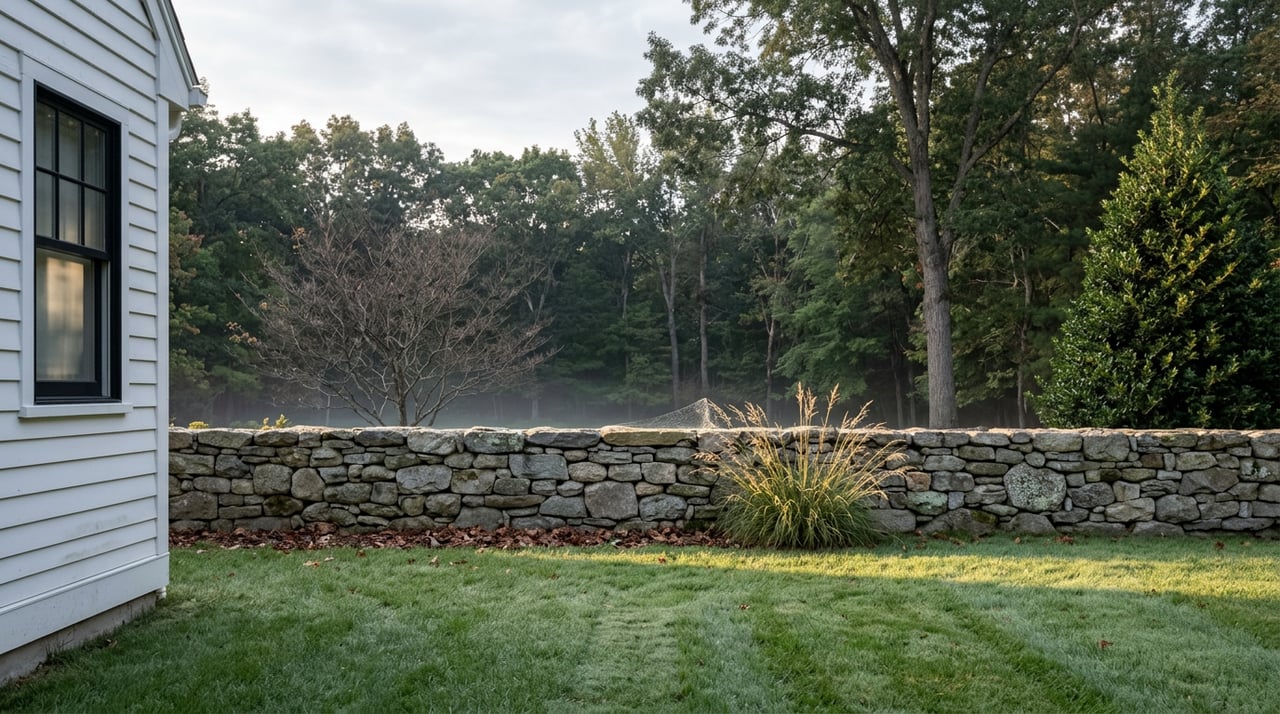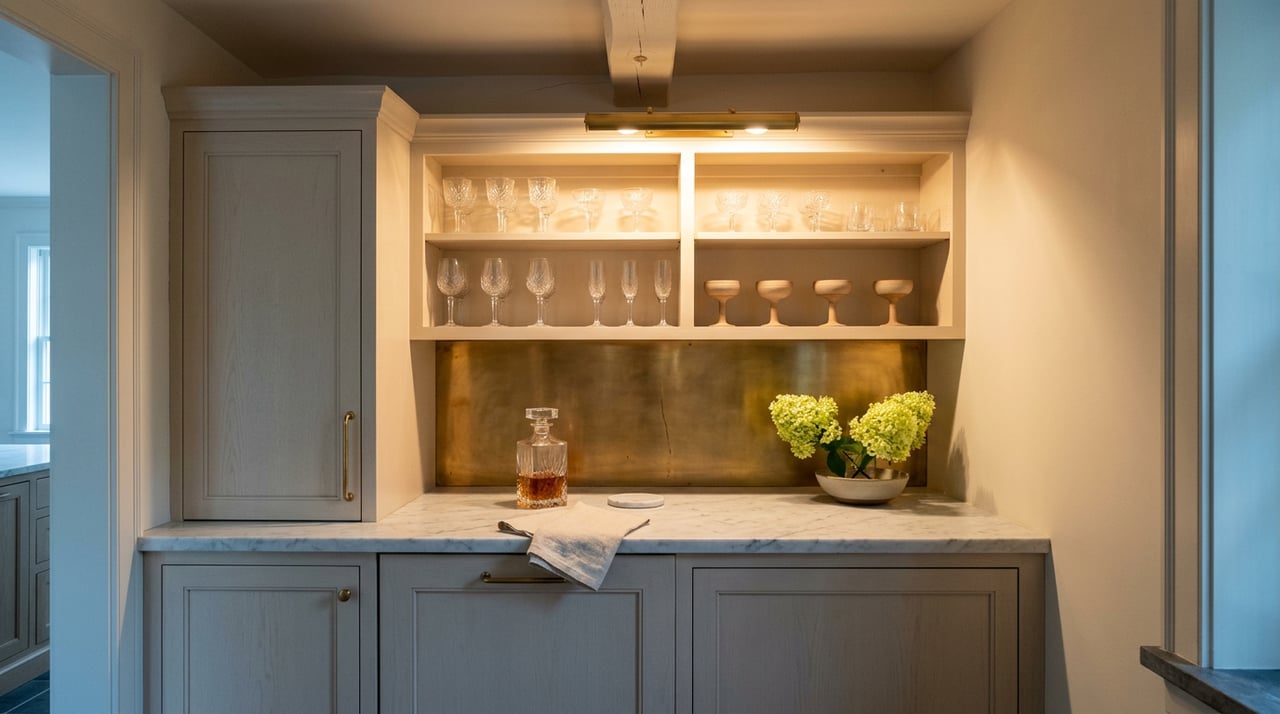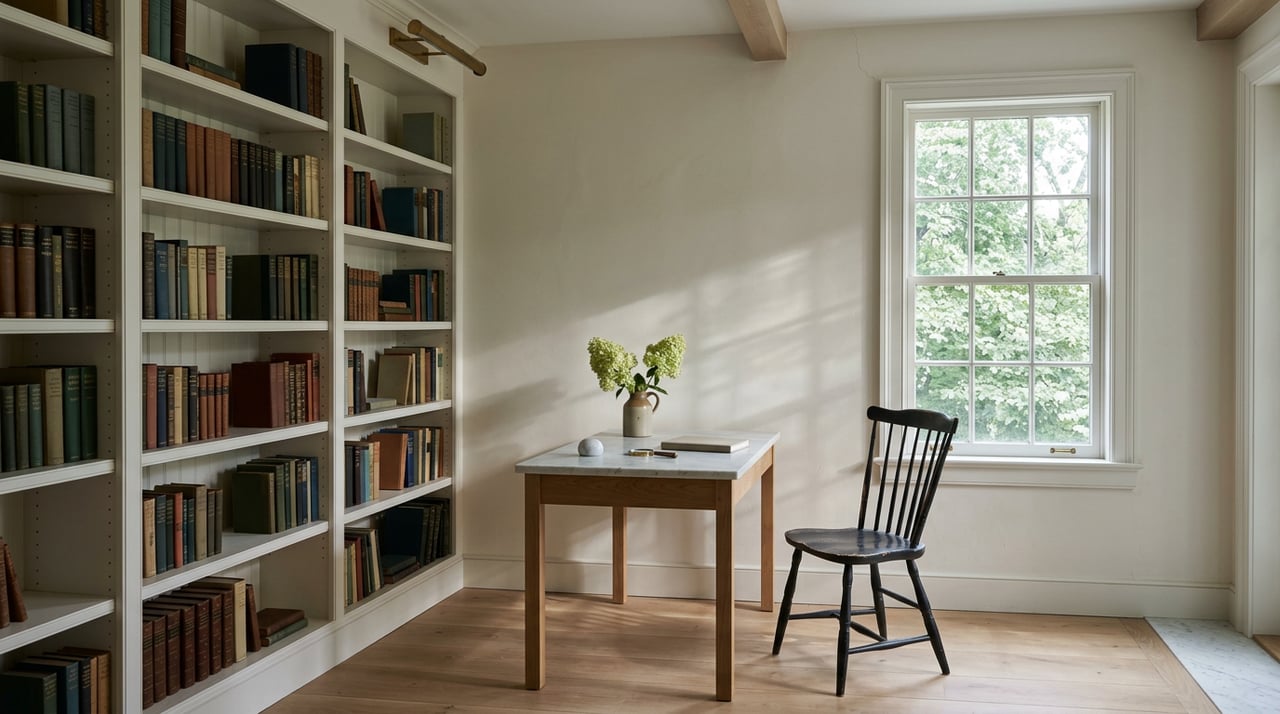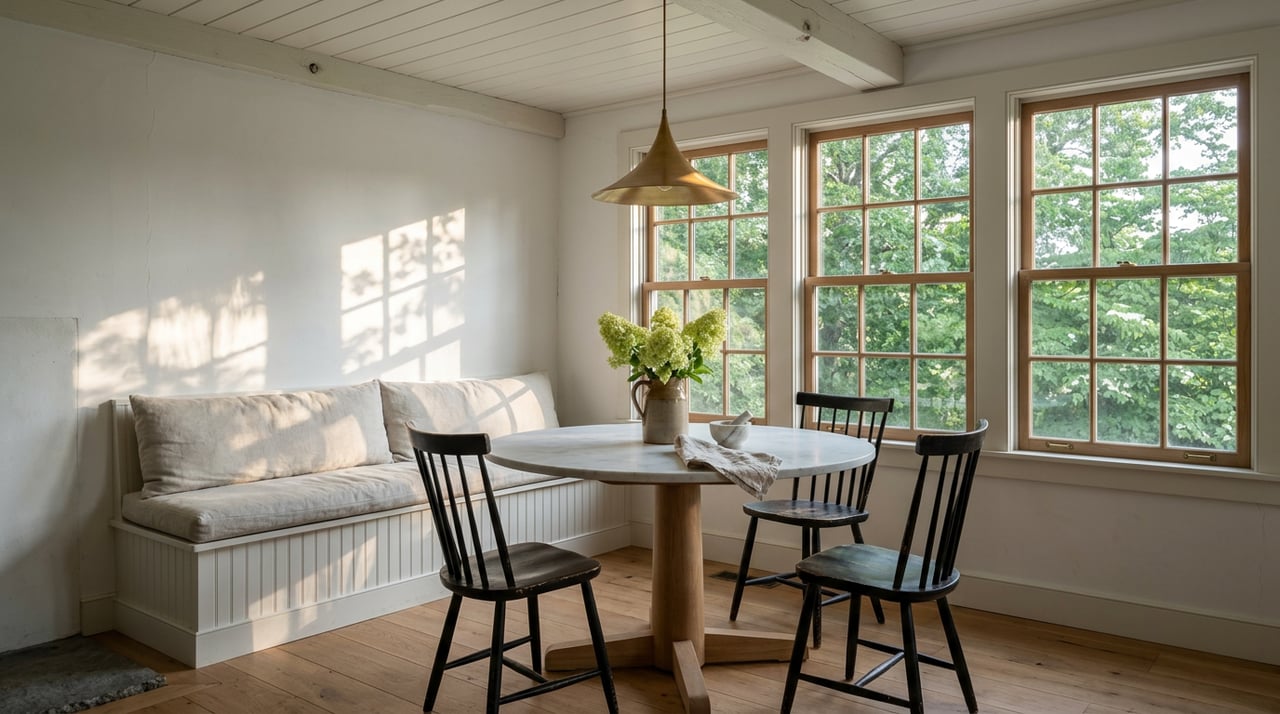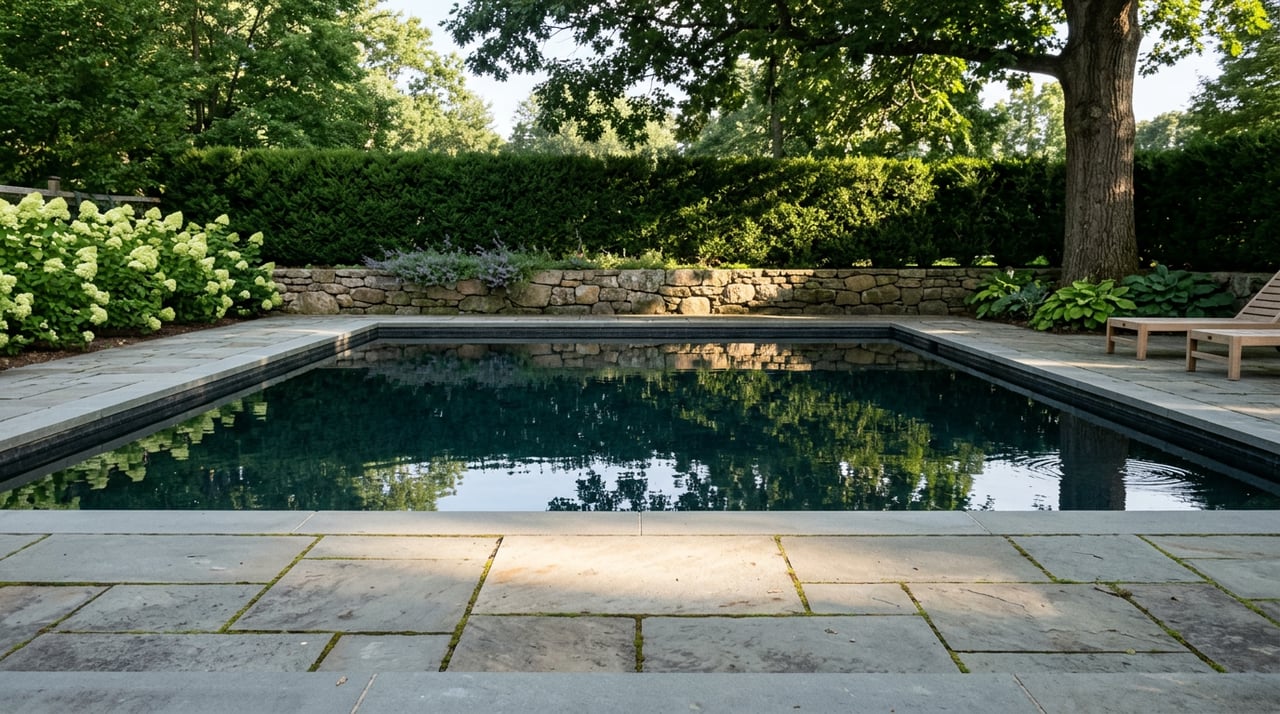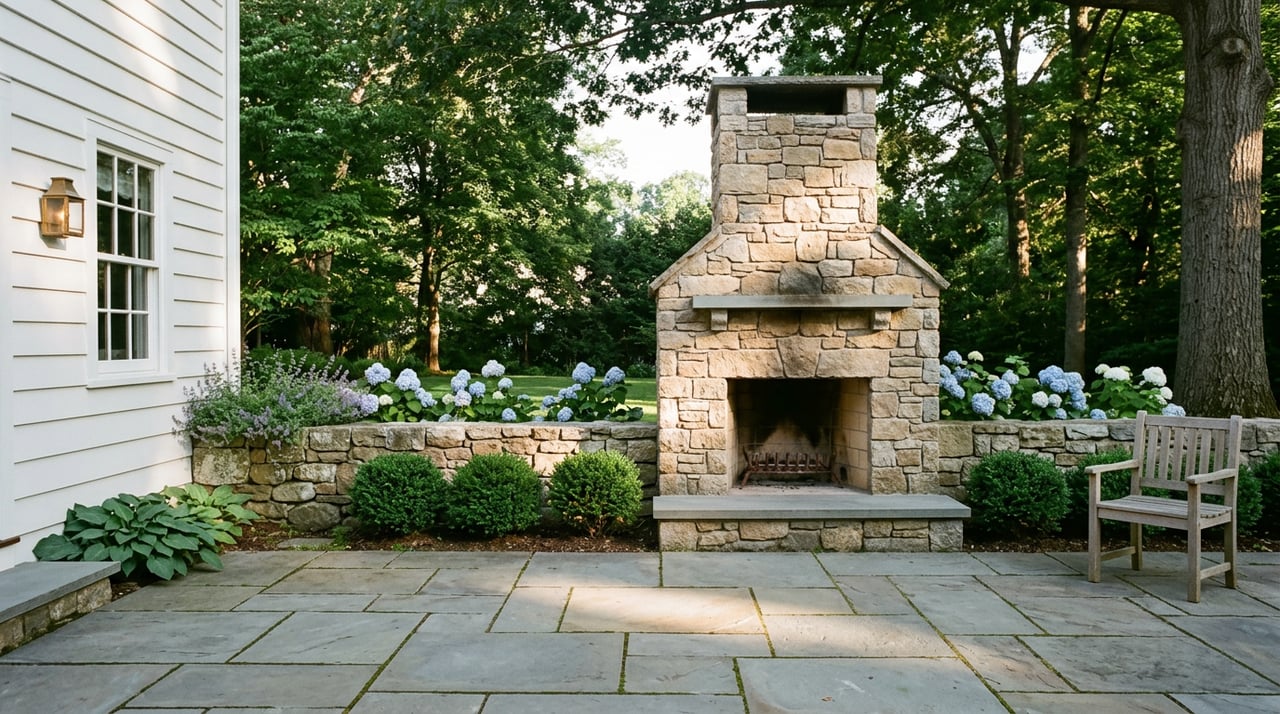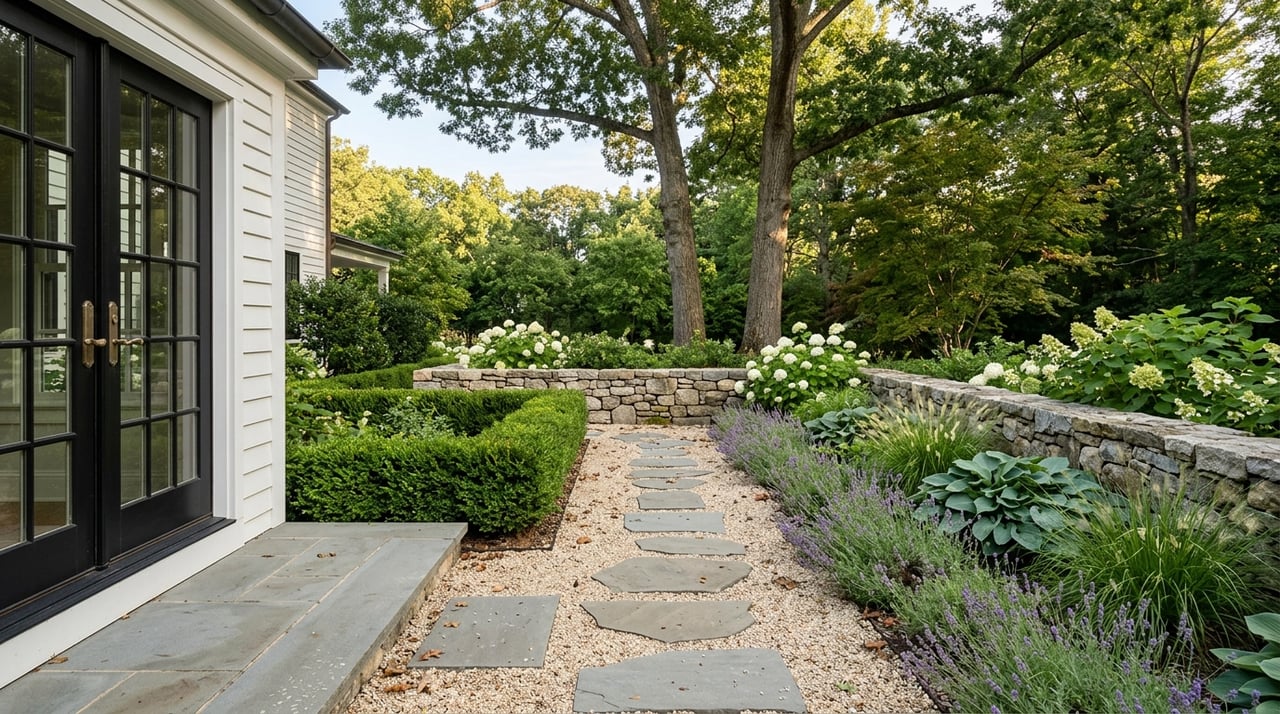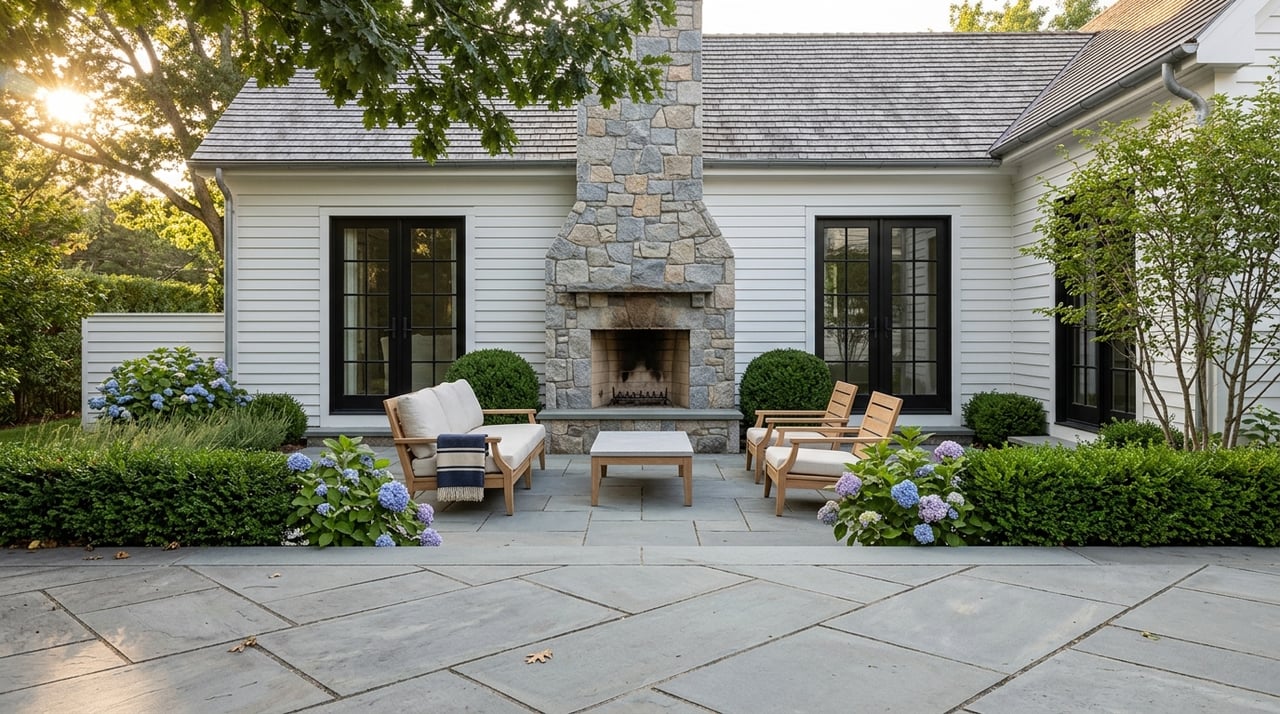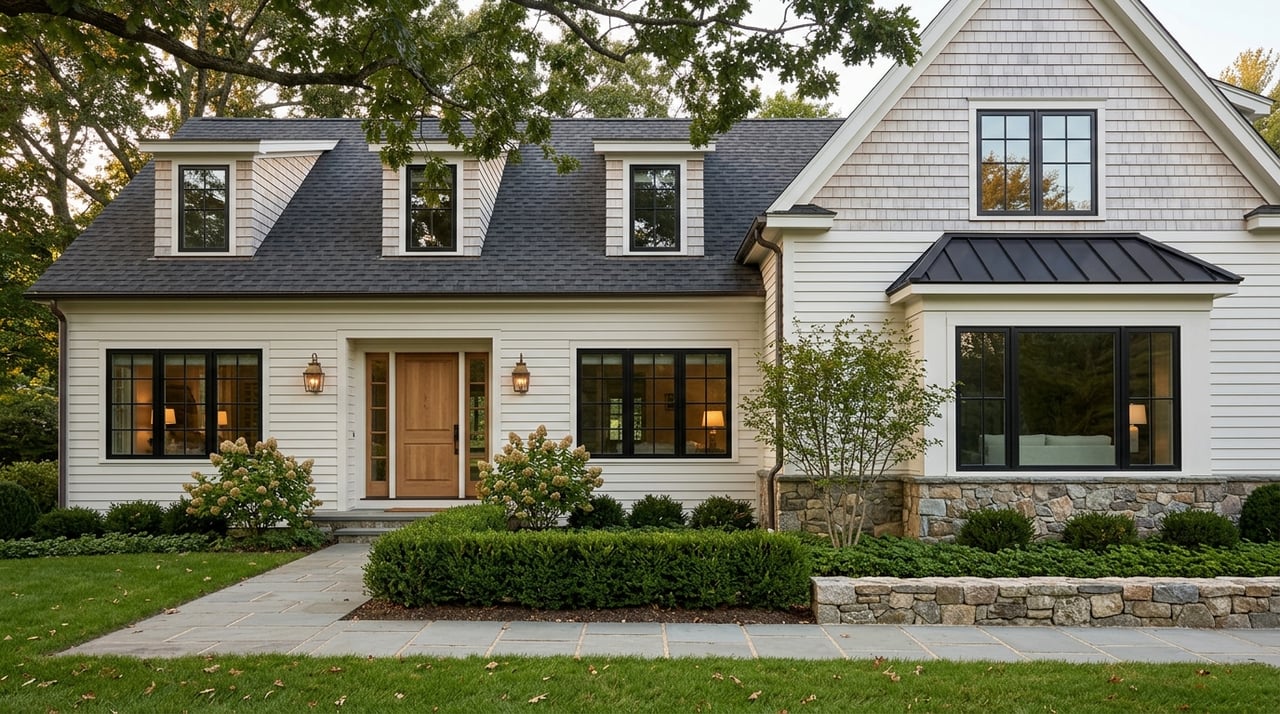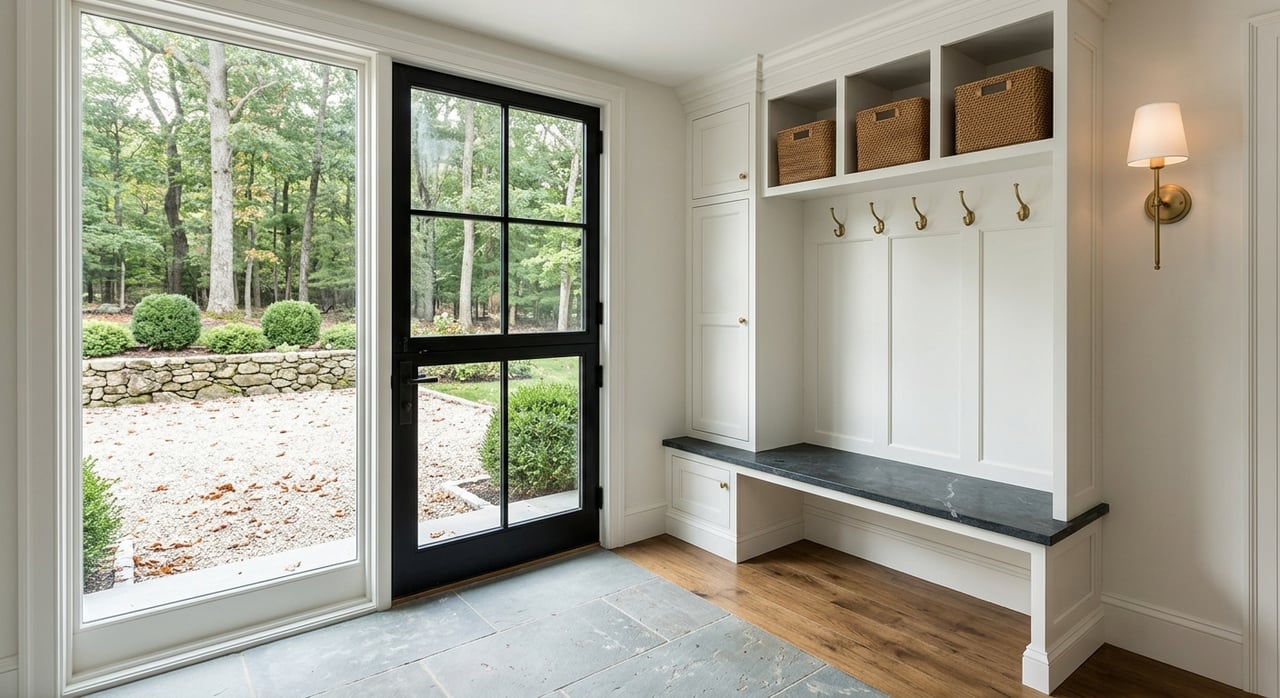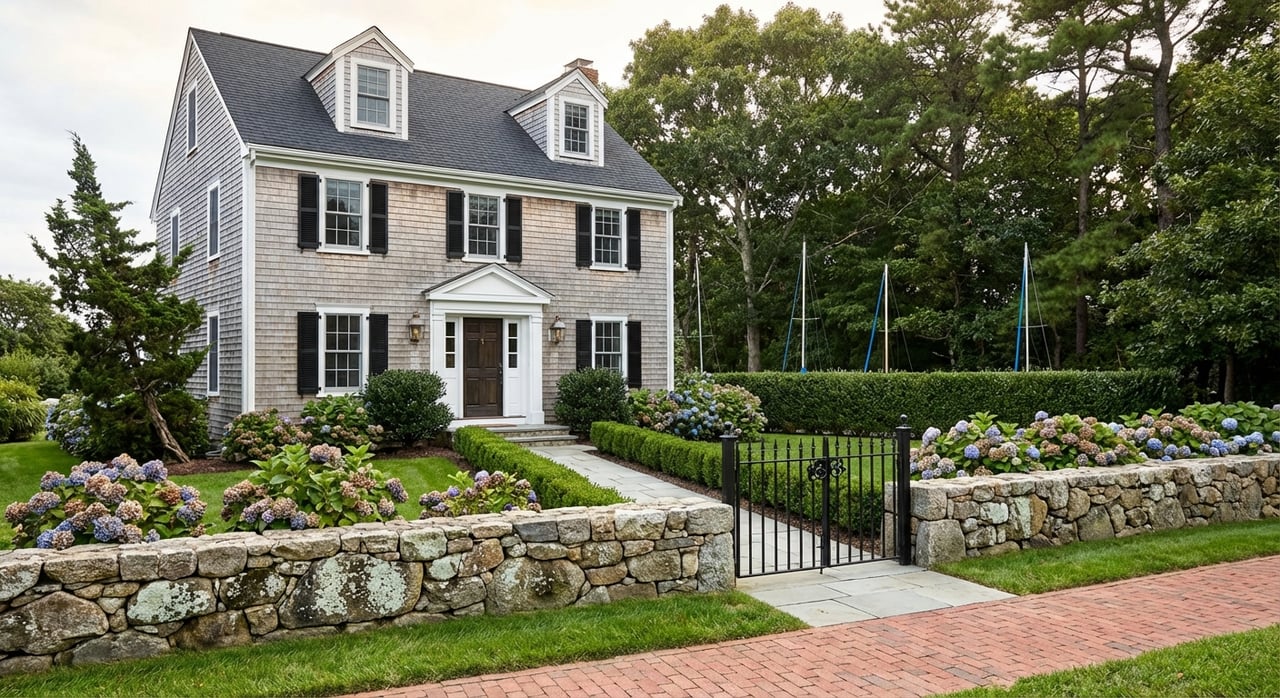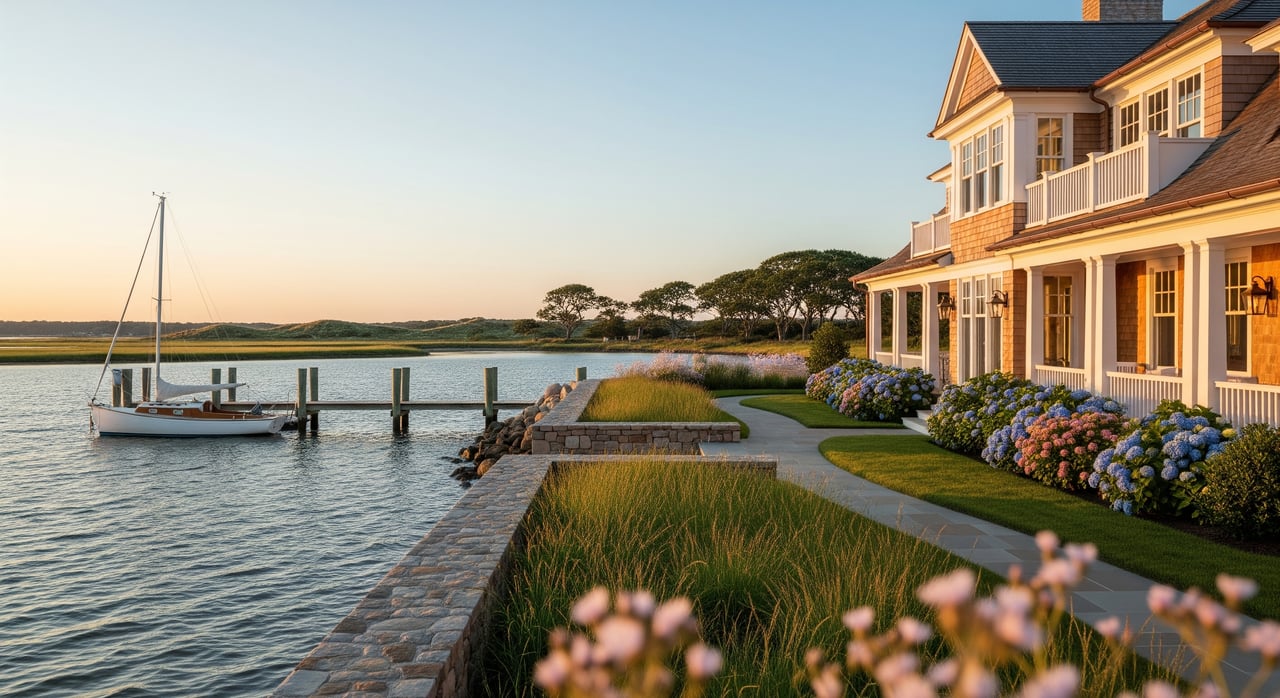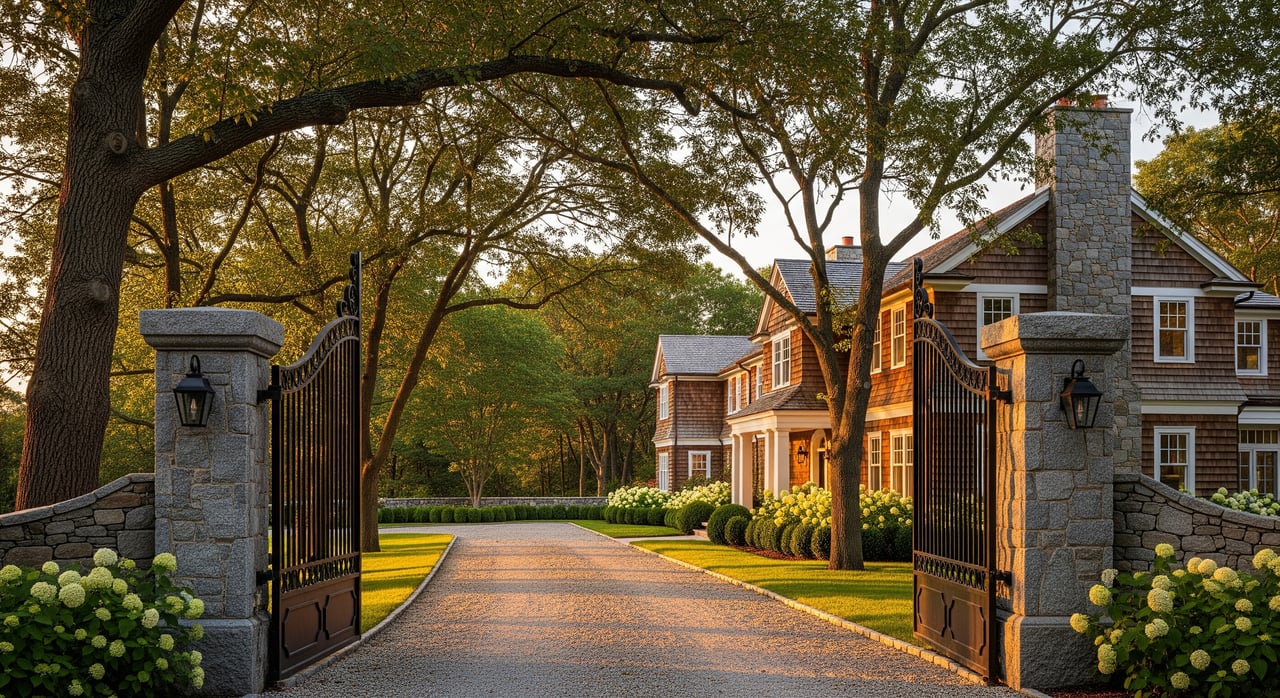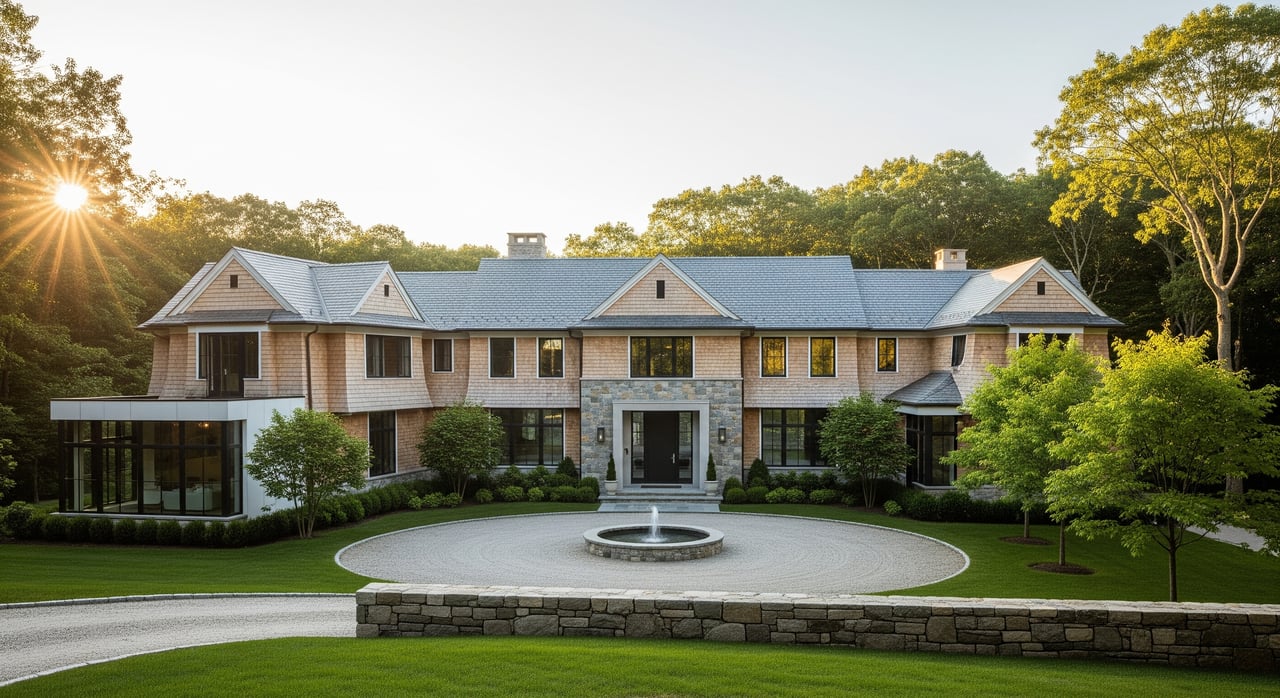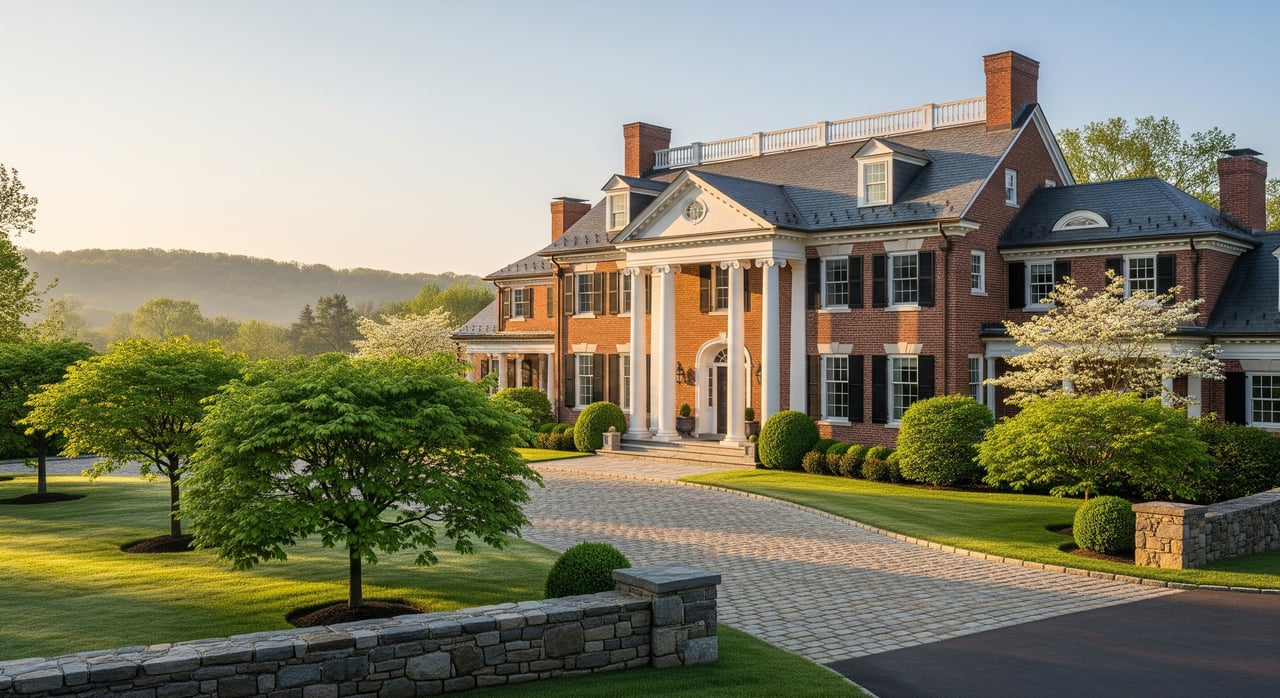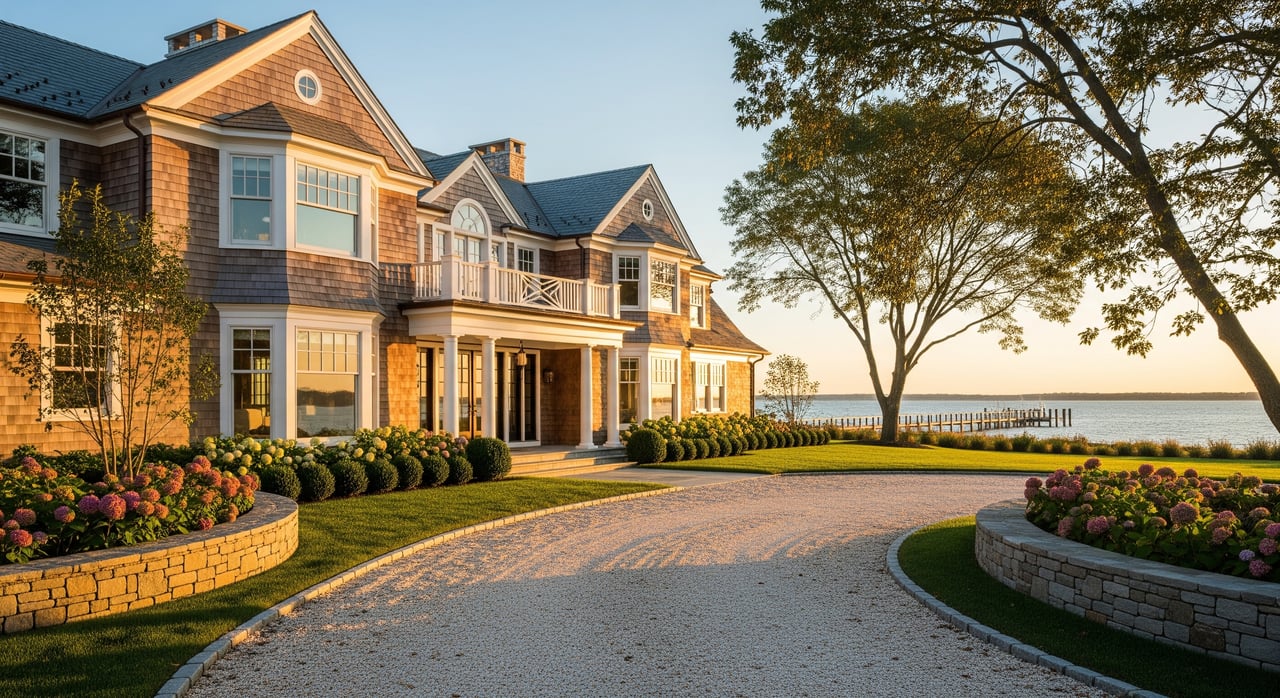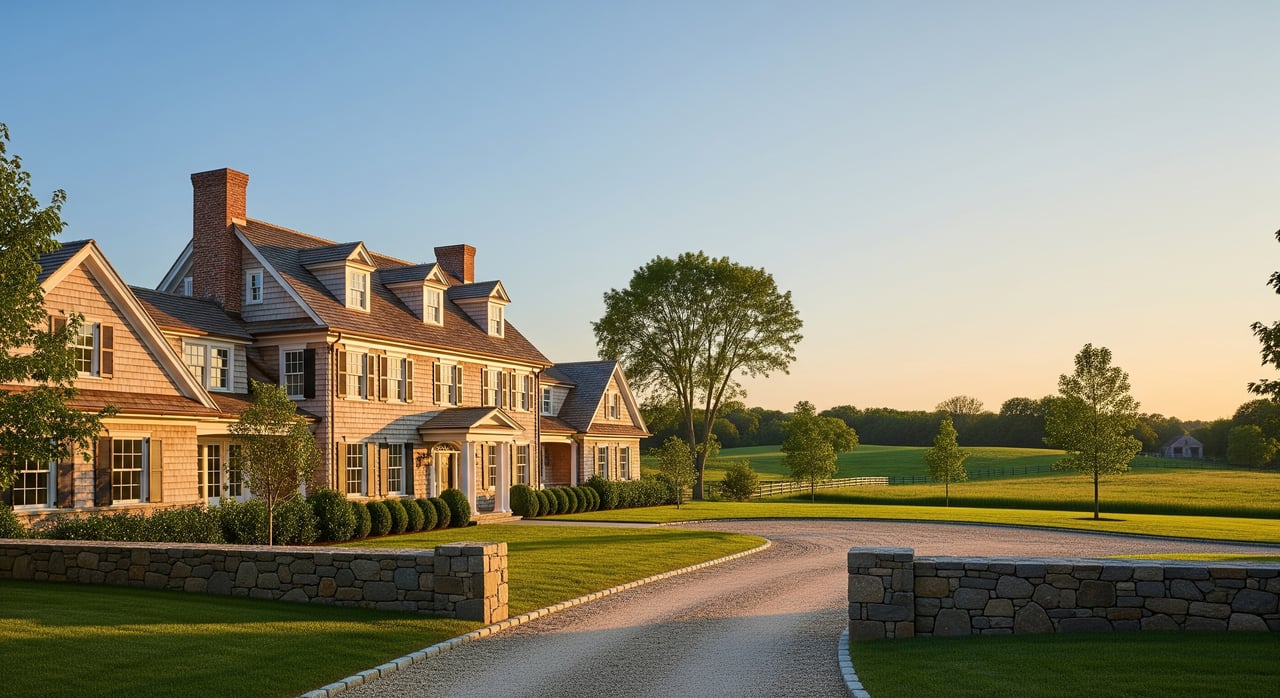
Dreaming about a quiet weekend home within reach of New York City, but unsure where privacy ends and practical ownership begins? Weston offers a compelling second-home setting with large residential parcels, abundant open space, and a distinctly low-density feel. If you are considering a country retreat here, it helps to understand not just the lifestyle, but also the zoning, maintenance, and tax realities that shape ownership. Let’s take a closer look.
Why Weston Appeals to Second-Home Buyers
Weston sits about 45 miles from New York City, yet it feels intentionally removed from the pace and density of closer-in commuter markets. Town materials describe a community shaped by two-acre zoning, minimal commercial development, and abundant open space. That combination gives many buyers what they are really seeking in a retreat property: privacy, quiet, and room to breathe.
The housing profile also supports that character. Census QuickFacts shows a 96.9% owner-occupied housing rate and a median owner-occupied home value of $996,700. In practical terms, that suggests a market driven more by long-term owners than by dense rental inventory or investor turnover.
For a second-home buyer, that can be a meaningful advantage. You are buying into a place that is defined by residential use and land, not by a resort-style short-term rental economy. The result is often a more settled ownership experience and a setting that feels consistently residential throughout the year.
What Daily Life in Weston Feels Like
Weston is not designed as a walkable village filled with shops and restaurants around every corner. The town describes its Town Center as the primary commercial destination and notes the absence of heavily trafficked commercial roads. For many second-home buyers, that quiet pattern is part of the appeal.
At the same time, it is important to set expectations correctly. You will likely rely on a car, and your day-to-day routine will feel more country-oriented than convenience-driven. If your ideal retreat includes seclusion, mature trees, and a slower pace, Weston aligns well with that vision.
Weston’s conservation planning adds useful context here. The town says the landscape is dominated by large, mature trees and open space, and that virtually all households use wells and septic systems. That reinforces the idea that ownership in Weston is closer to country stewardship than to simplified in-town living.
Property Types That Fit Weston Naturally
Weston’s zoning helps explain why certain homes feel especially at home here. In the Two Acre Residential and Farming District, one single-family dwelling per lot is allowed, along with farming uses that are defined broadly enough to include horses and other domestic farm animals. This framework supports the kinds of properties many second-home buyers are already imagining.
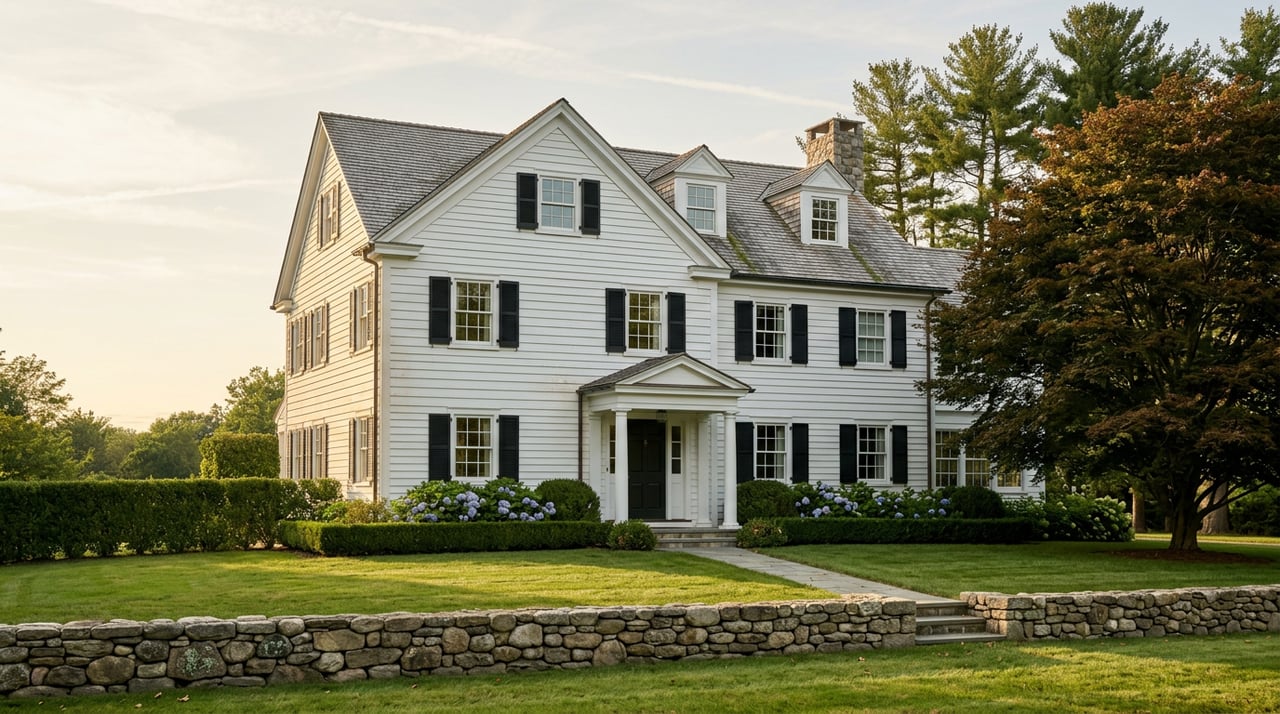
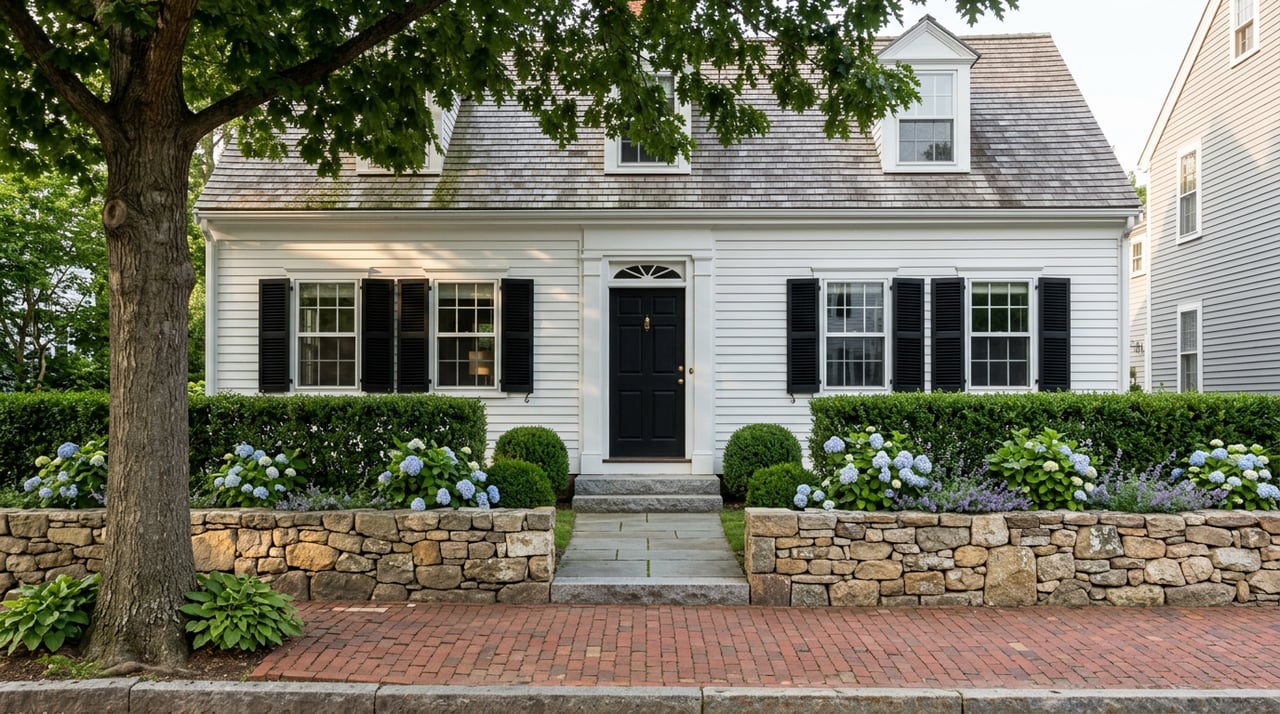
You will often see acreage homes, country contemporaries, and former-farm style residences that take full advantage of the landscape. Larger setbacks, mature grounds, and a sense of separation from neighboring homes are not accidental features. They are built into the town’s land-use pattern.
For design-minded buyers, this can create interesting opportunities. Homes may offer strong bones, generous sites, and meaningful renovation potential, but that potential needs to be weighed against local permitting and infrastructure realities.
Zoning Rules Buyers Should Understand
If you are purchasing with any thought of guest accommodations or occasional income, zoning deserves close attention before you move forward. Weston allows some limited accessory and occupancy arrangements, but the rules are narrow and specific. You should treat them as a framework to verify early, not as assumptions to make later.
The Two Acre Residential and Farming District allows limited home occupations, roomers or boarders, and one apartment subject to Section 345. Those categories may sound flexible at first glance, but each comes with meaningful limits. For second-home buyers, the difference between “possible” and “practical” matters.
Roomers and boarders in Weston
Weston allows roomers or boarders only for owner-occupants, for up to three people, and without separate cooking facilities. That means this is much closer to a guest arrangement within an owner-occupied home than a separate rental setup. If you are envisioning a more independent guest suite, this rule likely will not accomplish that goal on its own.
Apartment rules for a second home
Weston’s apartment rule is also tightly defined. The apartment must be within the main dwelling, the lot must be at least 2 acres or be a pre-existing nonconforming lot, and the apartment cannot exceed 800 square feet or 25% of the dwelling. In addition, the owner must occupy either the main section of the house or the apartment, and the house and apartment cannot be rented simultaneously.
For second-home buyers, that owner-occupancy requirement is especially important. If you were hoping to use a separate apartment as a flexible income source while also renting the main home, that is not permitted under this rule. Clear zoning review before closing is essential.
Short-term rental limitations
Short-term rental assumptions can create expensive mistakes. In Weston’s Village District, short-term vacation rentals by owner are specifically prohibited, and bed-and-breakfast uses are allowed only in buildings that already existed when that regulation took effect. Any Airbnb-style income plan should be reviewed carefully against the exact parcel zoning before you underwrite the purchase.
Wells, Septic, and Ownership Responsibilities
A Weston retreat often comes with the charm of a country setting, but that also means private infrastructure. Town planning materials state that virtually all households draw water from wells and rely on septic systems. If you are used to municipal water and sewer, this changes your due diligence checklist in a very real way.
Connecticut’s Department of Public Health says private well owners are responsible for testing and maintaining their own wells. The department also notes that water tests during a home purchase are usually driven by lender requirements rather than by law. In other words, even when not legally required, testing is a practical step you should take seriously.
Septic maintenance is equally important. Connecticut DPH says septic systems need routine care, and EPA guidance recommends inspection at least every three years and pumping every three to five years for a typical household system. Both also caution owners not to drive over drainfields, let runoff collect there, or allow structures, trees, and shrubs to encroach on the system.
For second-home ownership, this matters because infrequent use does not eliminate the need for oversight. A beautiful property can still require careful monitoring of water, drainage, and system health over time.
Renovation Planning Takes More Preparation
Many second-home buyers in Weston are drawn to homes with land and renovation potential. That can be rewarding, especially if you value architecture, site planning, and thoughtful upgrades. It also requires more preparation than buyers sometimes expect.
Weston’s permit guide says most residential projects must receive Aspetuck Health District approval before other departments review the application. Applicants may need to provide site plans showing existing structures, the well and septic system, and proposed improvements. The guide also notes that an A-2 survey less than 10 years old may be required.
This is especially relevant if you are considering a pool, expanded terrace, major landscaping, drainage work, or driveway changes. Weston zoning also requires a soil disturbance permit for the deposit, regrading, excavation, or removal of soil unless an exemption applies. On a large parcel, site work can be as important to evaluate as the house itself.
Property Taxes and Cost Planning
A second home should be evaluated on total carrying cost, not just purchase price. Weston assesses property at 70% of market value, and the current mill rate is 23.90. The town also states that its last town-wide real estate revaluation was completed on October 1, 2023, with the next one scheduled for 2028.
Using the current mill rate and the Census median owner-occupied value of $996,700, a rough illustrative annual property tax bill would be about $16,675 before any exemptions. That is only a planning estimate, not a prediction for any specific home. Still, it offers a useful baseline when you compare properties or model annual ownership costs.
If you are considering tax relief programs, caution is wise. Connecticut’s homeowner tax-relief circuit-breaker program is intended for Connecticut owners who reside in the property and who are elderly or totally disabled and meet income limits. Second-home buyers should not assume that a Weston retreat would qualify.
Can Rental Income Offset the Costs?
Some second-home buyers hope to offset carrying costs through occasional rentals. In Weston, that question needs a careful legal and financial review before you build it into your numbers. Zoning constraints are already meaningful, and tax treatment adds another layer.
IRS Publication 527 states that most rental income must be reported, and the rules become more nuanced when you also use the property personally or rent it below fair rental value. For a Weston buyer, that means rental income should be treated as a strategy to analyze carefully, not as automatic support for affordability.
Because local zoning can limit what is permitted in the first place, the smartest approach is to evaluate any rental idea at the property level. A retreat purchase is often strongest when it stands on its lifestyle and long-term ownership merits first.
Weston Versus Rail-Served Alternatives
Weston’s appeal is often clearest when you compare it with nearby weekend markets. Westport, Greenwich, and New Canaan all have Metro-North stations, while Weston emphasizes privacy, open space, and limited commercial development. The tradeoff is straightforward.
In general, Weston offers more land, more seclusion, and a more country-like feel. Nearby rail-served towns may offer easier train-based access and a different rhythm of daily convenience. Neither is better in every case. The right choice depends on whether you value retreat-like privacy more than station-centered access.
For many second-home buyers, that distinction is the whole point. Weston is not trying to be the easiest market. It is appealing precisely because it feels removed, residential, and grounded in land.
How to Buy a Weston Retreat Wisely
A successful Weston purchase usually starts with clarity about how you plan to use the property. If your priority is quiet weekends, entertaining guests, and enjoying open space, your search criteria may focus on site quality, privacy, and condition of core systems. If you are hoping for flexibility around guest space or rental use, zoning review should move to the top of the list.
As you compare homes, it helps to look beyond finishes. Ask how the well and septic systems have been maintained, whether surveys and site plans are current, and what approvals may be needed for future improvements. In Weston, stewardship is part of the ownership experience.
This is also a market where design judgment can matter. A house with a beautiful setting but dated interiors may offer exceptional long-term potential if the site, scale, and infrastructure support your vision. The key is balancing romance with rigor.
If you are considering a second home in Weston, thoughtful guidance can make the process far more efficient and far less uncertain. For tailored insight on Weston and neighboring Fairfield County markets, connect with Emily Gordon.
FAQs
What makes Weston attractive for a second-home buyer?
- Weston offers a low-density residential setting about 45 miles from New York City, with two-acre zoning, abundant open space, minimal commercial development, and a housing market shaped largely by owner-occupants.
What property types are common in Weston for country retreats?
- Weston’s zoning naturally supports single-family homes on larger parcels, including acreage properties, country contemporaries, and former-farm style residences.
What should second-home buyers know about Weston rental rules?
- Buyers should verify parcel zoning carefully because Weston limits apartments, restricts roomers and boarders to owner-occupied arrangements, and prohibits short-term vacation rentals by owner in the Village District.
Do Weston homes usually have public water and sewer?
- No. Town planning materials say virtually all households in Weston rely on private wells for water and septic systems for wastewater.
What maintenance issues matter most for a Weston second home?
- Well testing, septic inspection and pumping, drainage protection, and careful site management are key ownership considerations, especially on larger parcels.
How are property taxes calculated in Weston?
- Weston assesses property at 70% of market value and applies a 23.90 mill rate, with actual taxes varying by the assessed value of the specific property.
Is Weston a good fit if you want train access for weekend use?
- Weston may be less convenient for train-based travel than nearby towns with Metro-North stations, but it can offer more land, privacy, and a more secluded country setting.
What should buyers review before renovating a Weston retreat?
- Buyers should review permitting requirements, possible Aspetuck Health District approval, survey needs, well and septic placement, and whether planned site work could trigger a soil disturbance permit.