What makes one Westport street feel quietly formal, another breezy and coastal, and another distinctly midcentury? In Westport, architecture is shaped by layers of local history, from early inland settlement to river commerce, shoreline resort life, and postwar suburban growth. If you are trying to understand how Westport neighborhoods look and live differently, this guide will help you read the town’s architectural character with a more informed eye. Let’s dive in.
Westport’s character is layered
Westport does not read as one uniform architectural landscape. The town identifies Beachside, Compo, Green’s Farms, Old Hill, Saugatuck, Saugatuck Shores, Coleytown, Long Lots, and Westport Center among the areas that retain a distinct sense of history and place.
That neighborhood-by-neighborhood pattern is a big reason Westport feels so visually rich. Instead of one dominant house type, you see a mix shaped by when each area developed and how people used it over time.
Why Westport looks this way
Westport’s built environment reflects three major forces in the town’s history. Early inland settlement established some of the oldest house forms, 19th-century maritime and riverport growth added village and commercial influence, and early- to mid-20th-century suburbanization introduced newer residential patterns.
The town also notes several major shifts in style over time. Italianate houses appeared during the post-Civil War boom, Colonial Revival gained popularity in the early 1900s, shoreline estates and summer cottages emerged near Beachside and Compo, and by 1956 most open land had been subdivided.
This history helps explain why one part of Westport may feel compact and rooted in an earlier village pattern while another feels open, coastal, and more heavily rebuilt. In practical terms, Westport’s architecture is best understood as a series of local stories rather than one broad style label.
Historic districts shape the streetscape
In some of Westport’s most character-rich areas, preservation rules are part of the picture. The Historic District Commission describes local historic districts as contiguous areas united historically or aesthetically.
For buyers and owners, that can matter in a very practical way. Visible exterior work in a local historic district or on a local historic property requires a Certificate of Appropriateness, which means certain changes receive closer review.
That oversight can help preserve the visual coherence that makes these streets so appealing. It also means architectural character in Westport is not just inherited from the past, but actively maintained in parts of town today.
Colonial and Colonial Revival homes
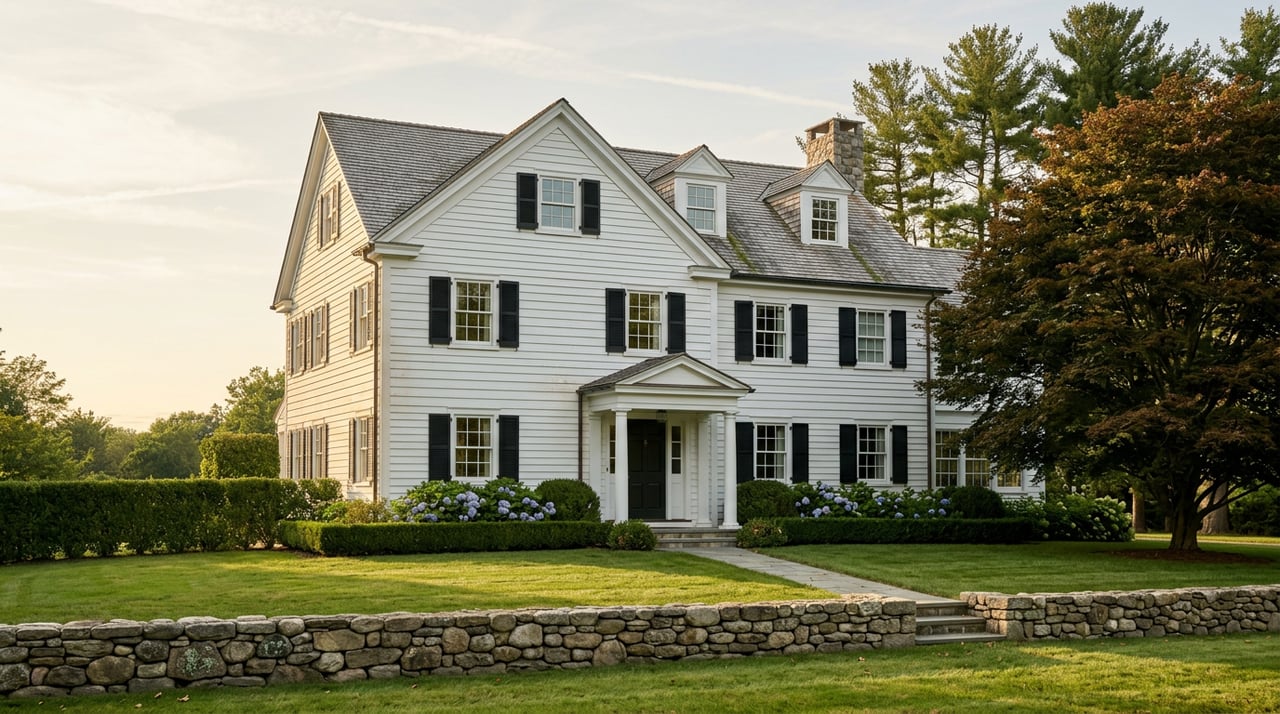
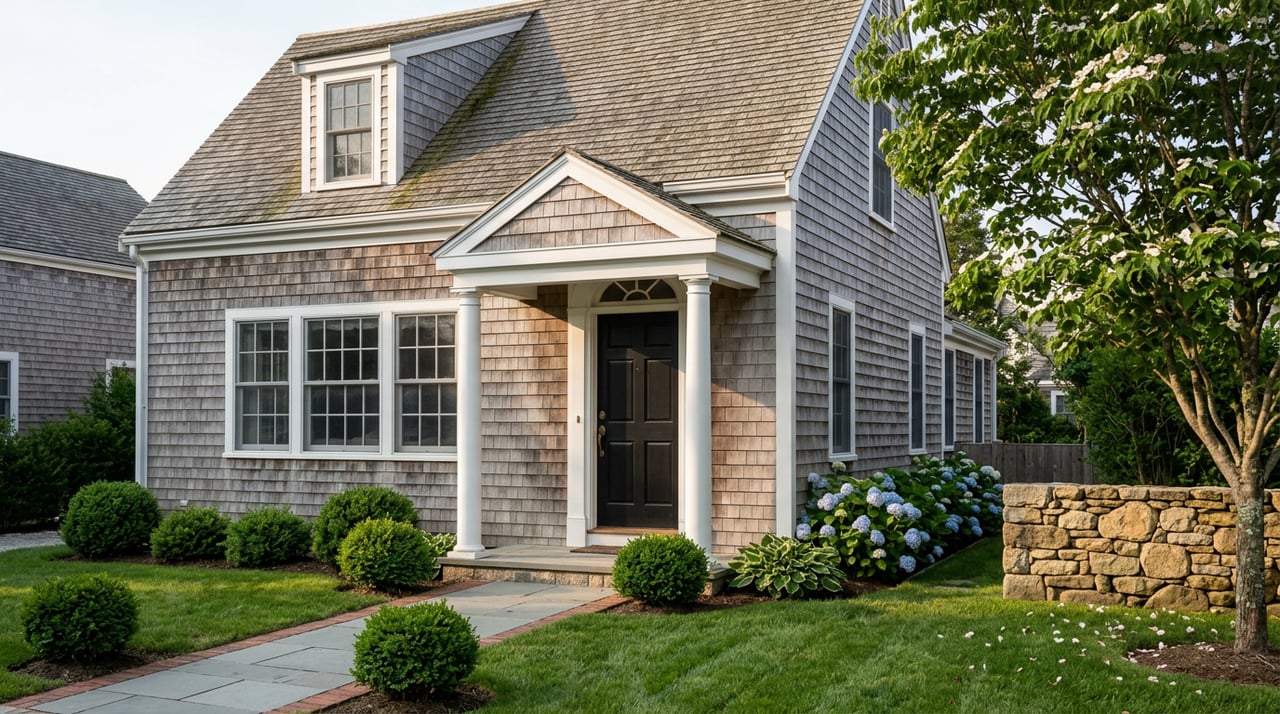
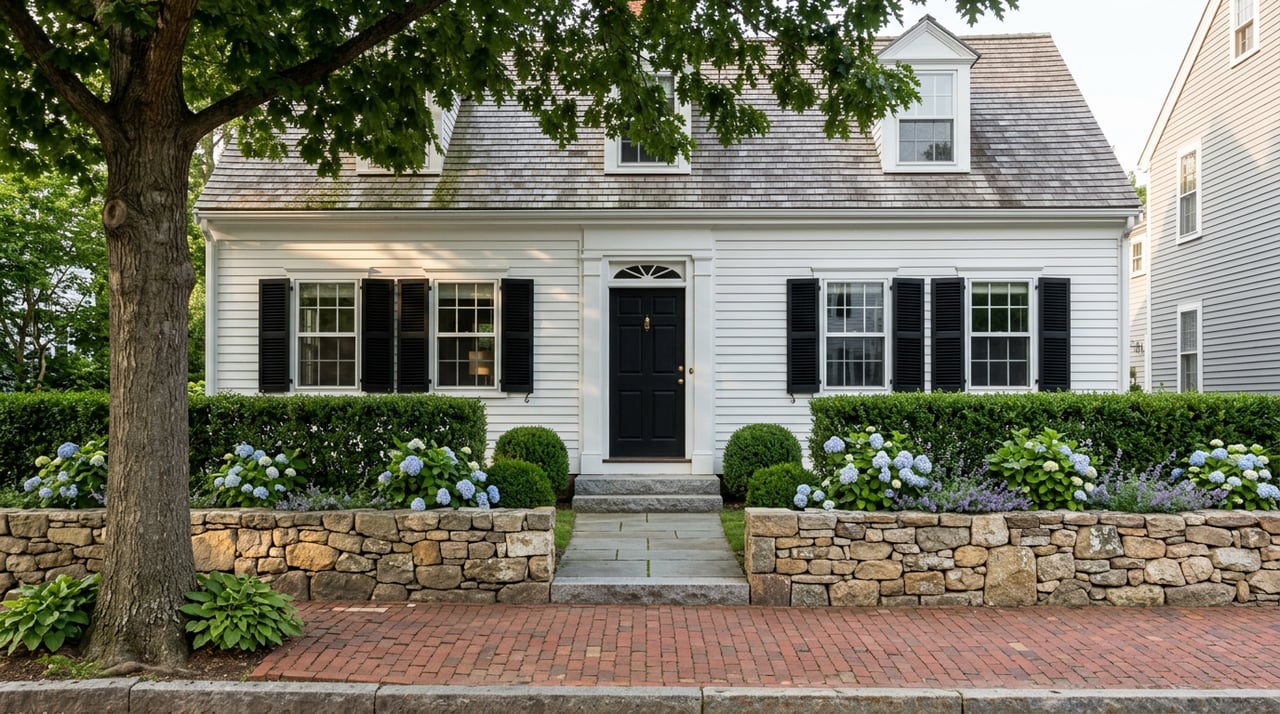
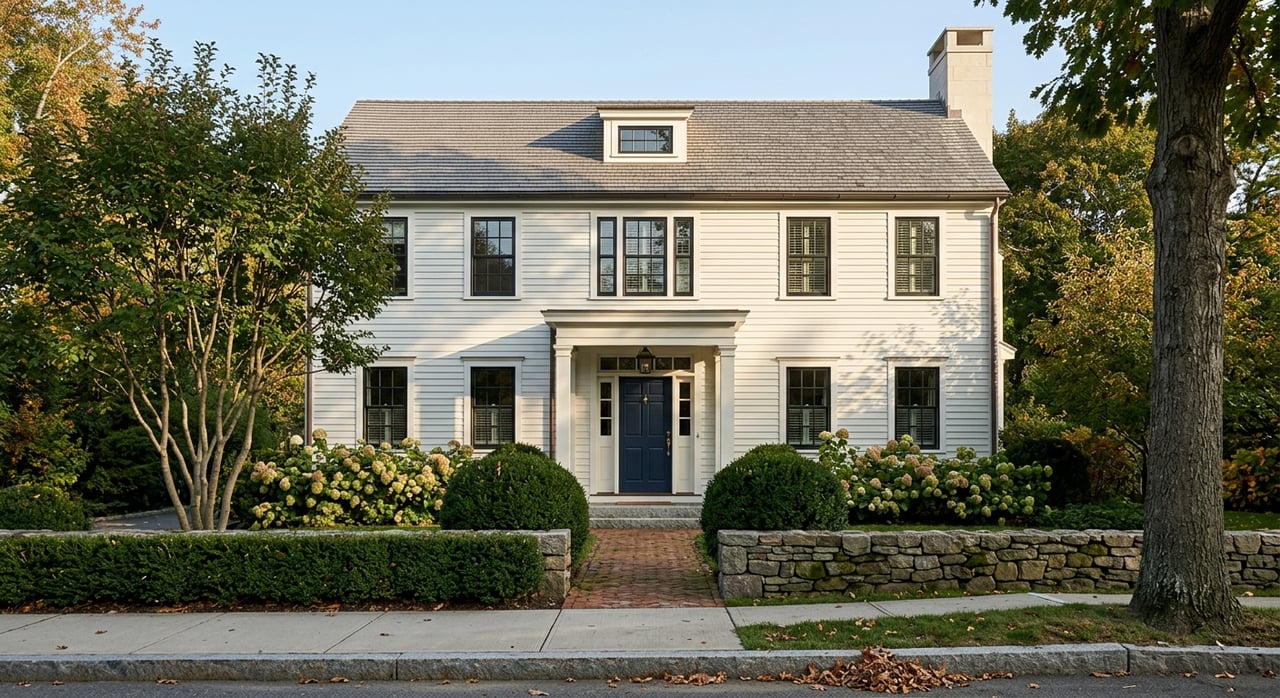
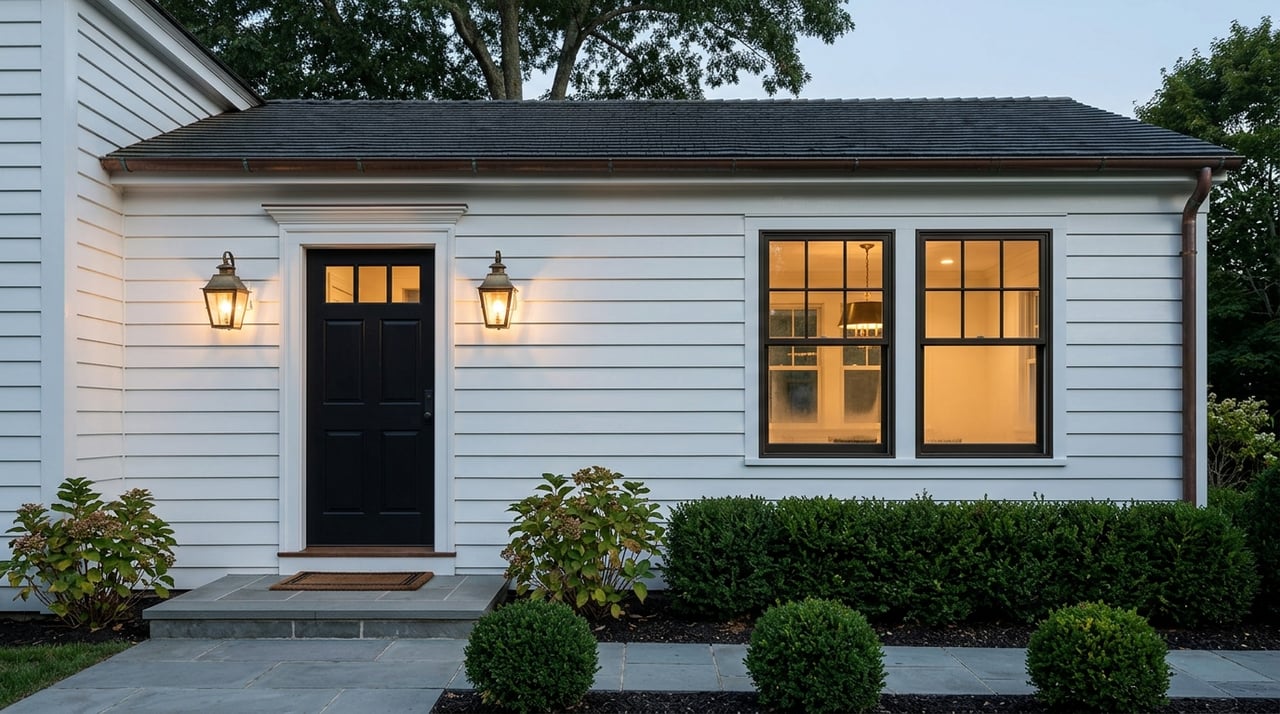
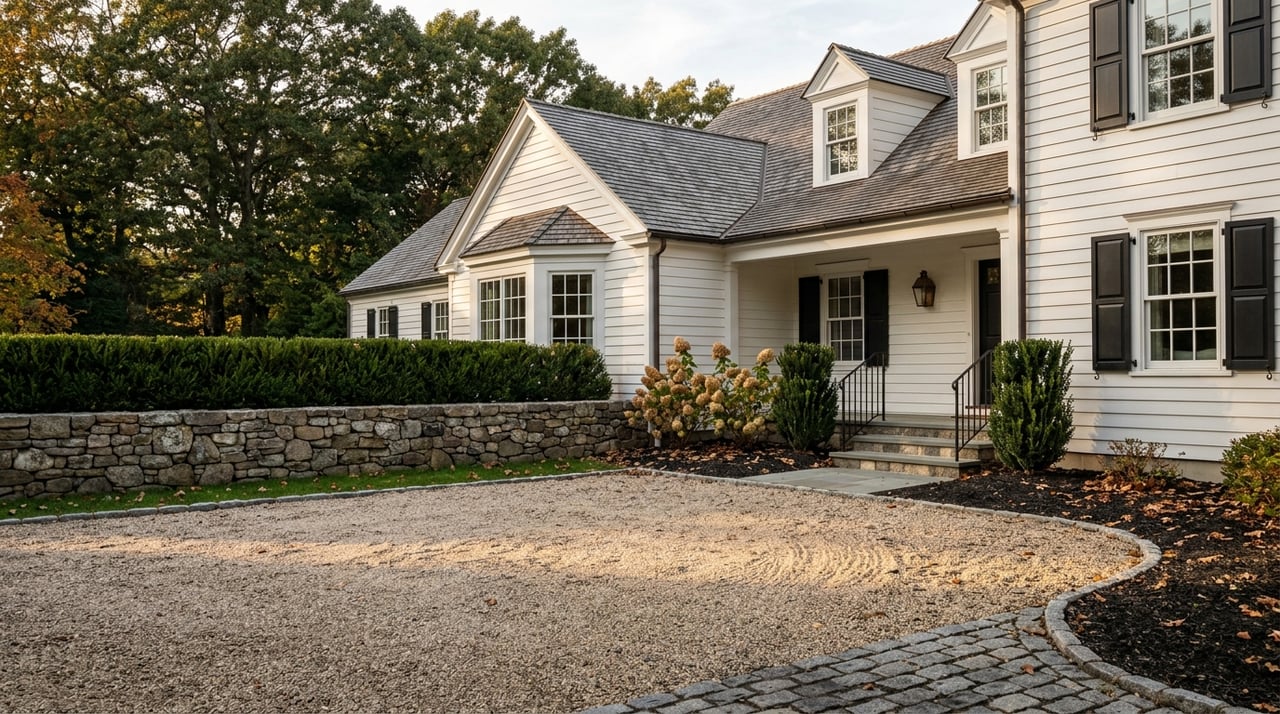
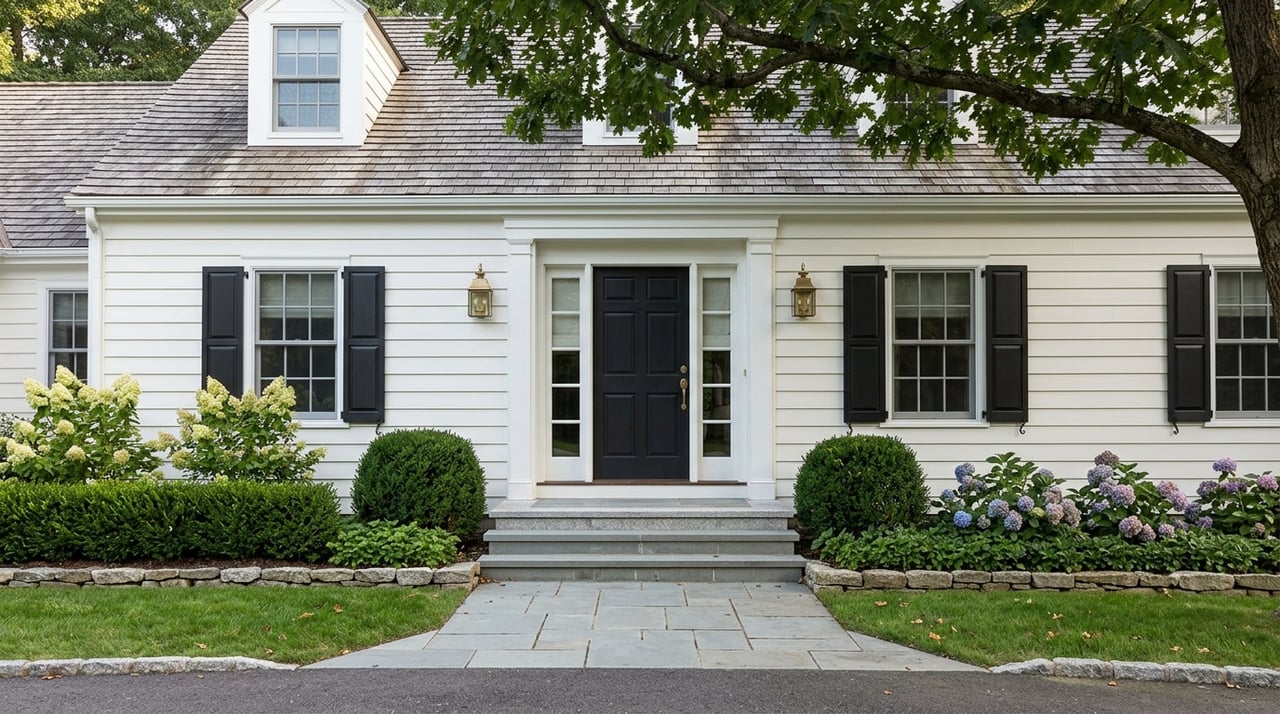
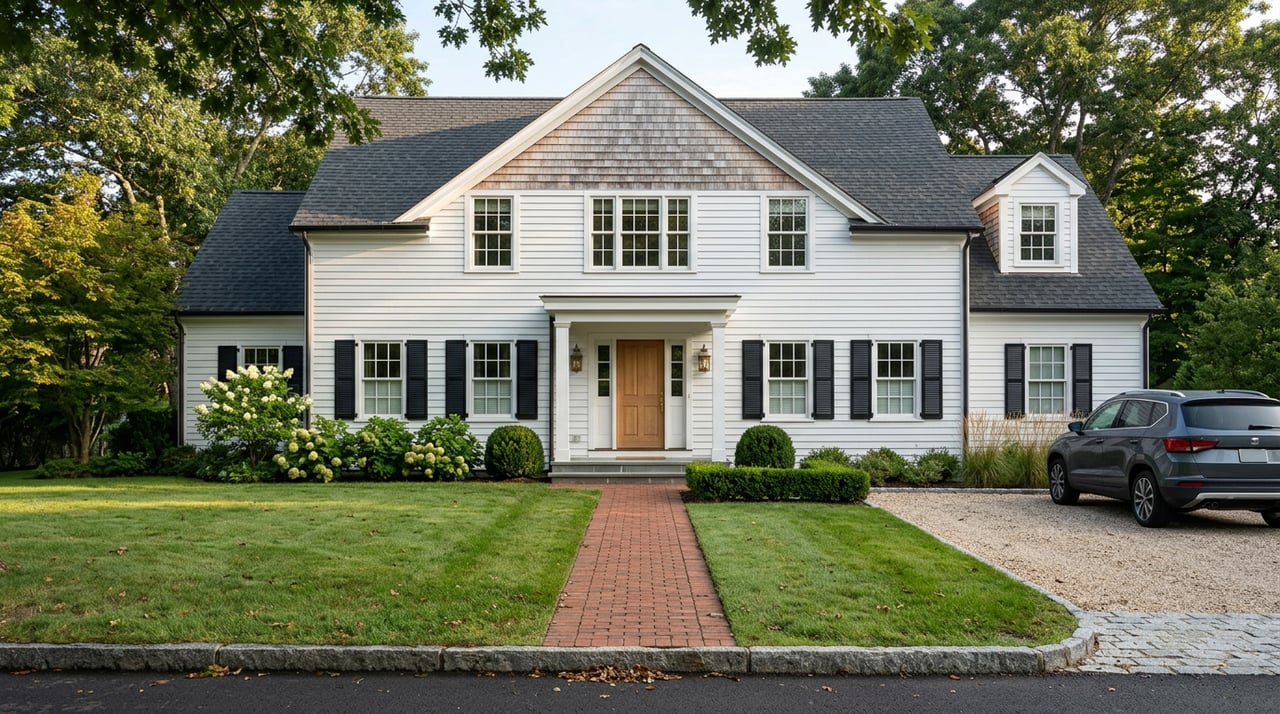
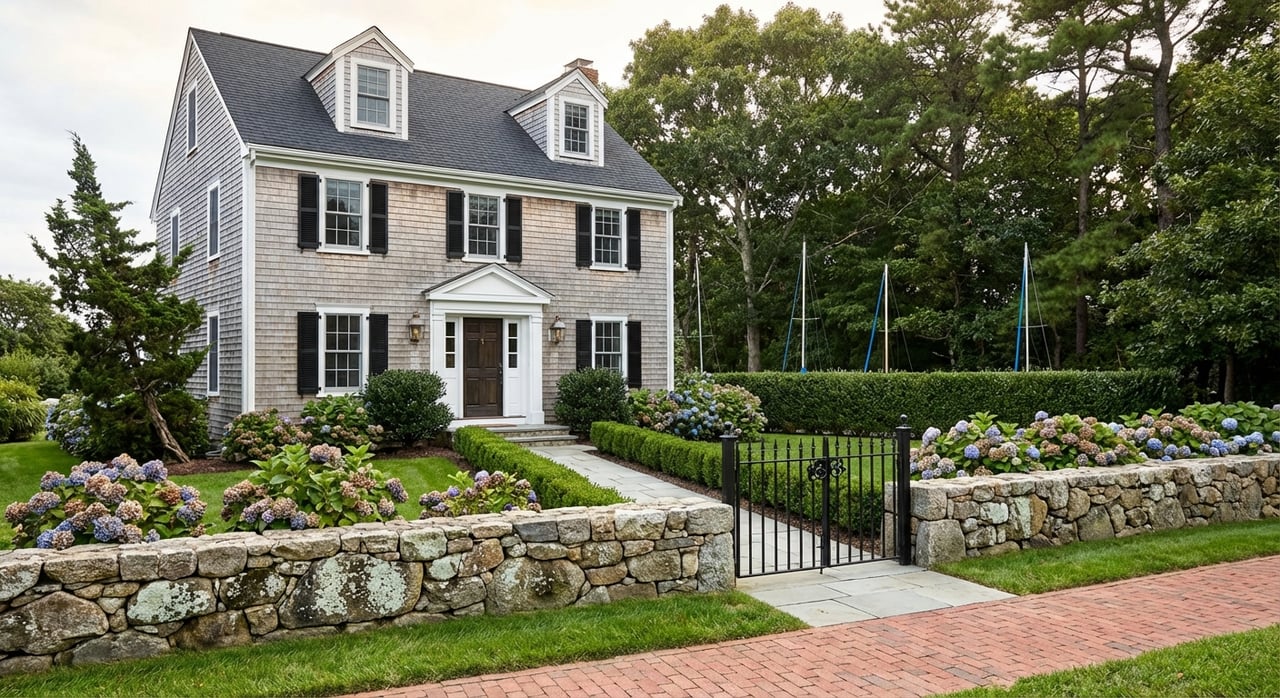
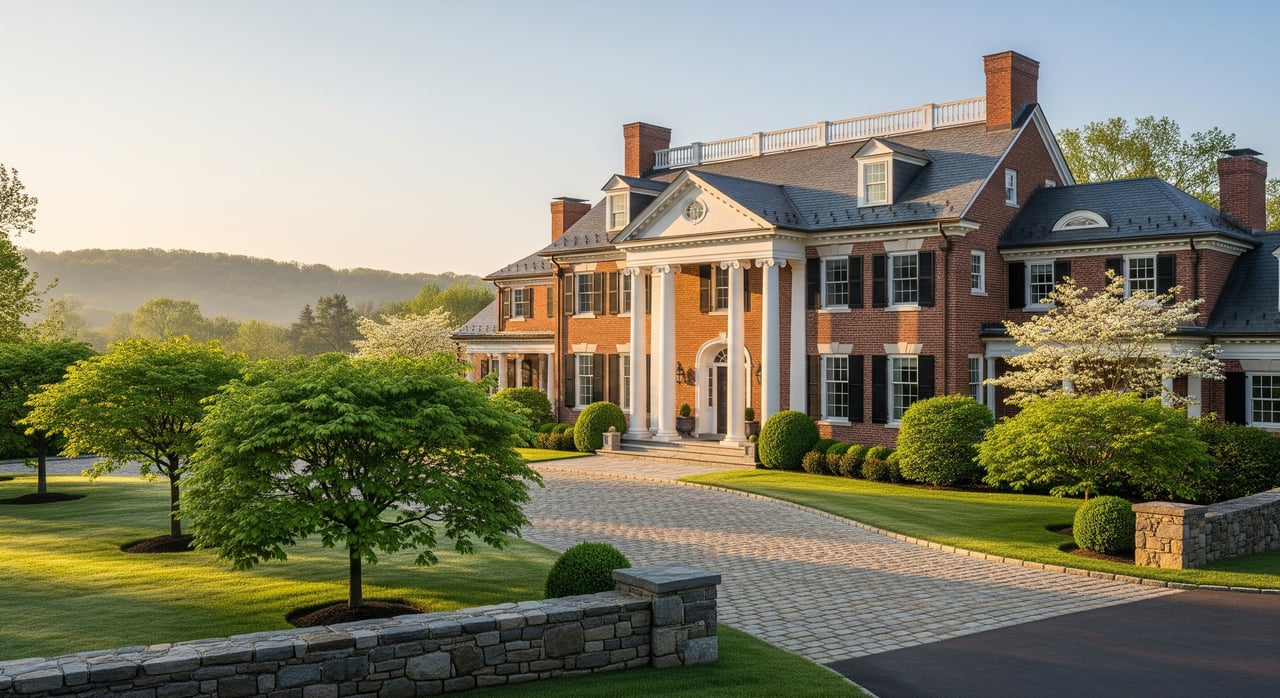
Classic Colonial forms remain central to Westport’s visual identity. According to the town’s design guidance, Colonial and Federal-era houses are typically symmetrical, with a centered entrance and paired windows arranged evenly across the facade.
Earlier homes also tend to feature double-hung sash windows with smaller panes. Together, those details create a calm, ordered appearance that feels disciplined rather than expansive.
How these homes usually live
Many homes that appear to be old Colonials in Westport are actually Colonial Revival or neo-Colonial homes rather than original 18th-century houses. That distinction matters because a house can present a traditional exterior while offering a more updated interior arrangement.
In general, these homes suggest a center-hall layout and a more formal room-by-room plan. Circulation is usually clear, and spaces often feel defined rather than fully open.
Daylight tends to feel balanced and measured because the window rhythm is controlled. For many buyers, that creates a sense of privacy and order that works well for separate dining, entertaining, work, or guest spaces.
Where you see them in Westport
Colonial Revival homes appear across multiple parts of town. The town history and historic-resource records note examples along Kings Highway North and in areas such as Compo/Owenoke and Beachside.
This is one reason traditional architecture remains such a strong part of Westport’s identity. Even when the house is not from the colonial period itself, the design language still connects strongly to New England precedent.
Coastal Westport feels more relaxed
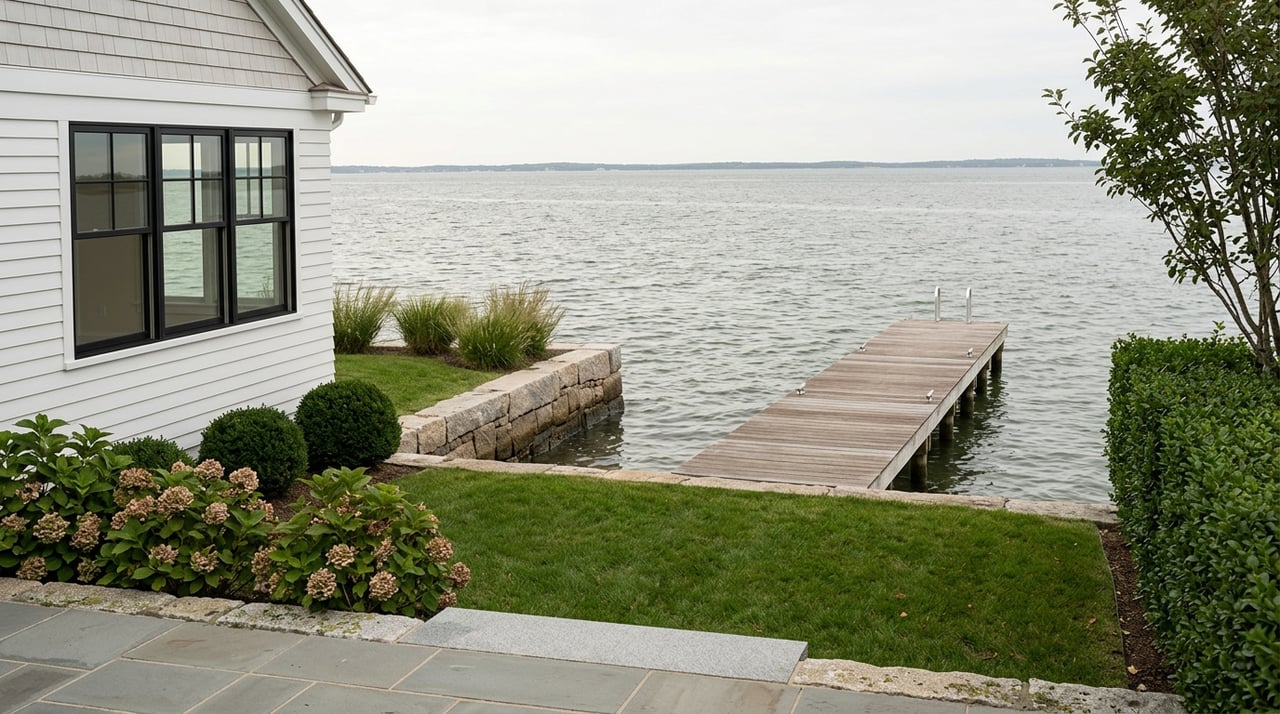
Westport’s shoreline developed differently from its inland roads. The town notes that Compo Beach became a modest cottage resort with a bathing pavilion and beach compound, while a similar bungalow compound emerged in Compo/Owenoke.
Beachside Avenue followed a different path, becoming an exclusive residential community by 1920. That history helps explain why the shoreline often feels more casual, more visually mixed, and more responsive to water and seasonal living.
Coastal styles you may notice
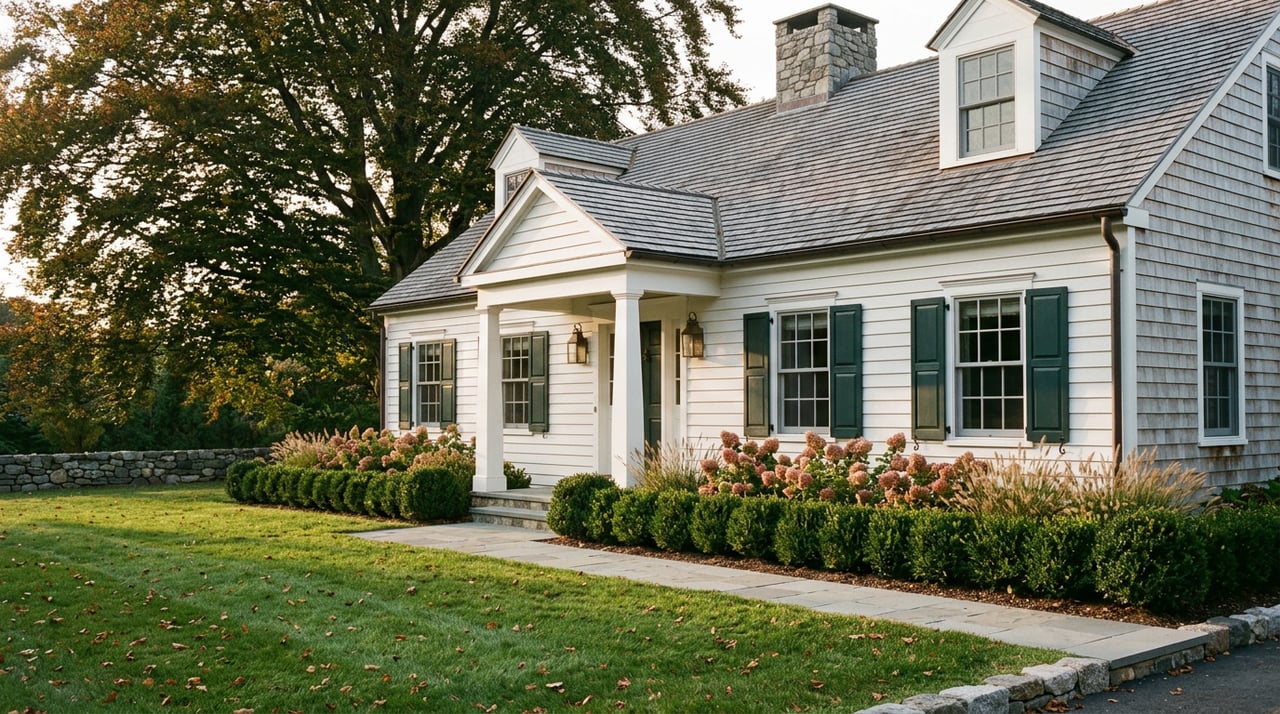
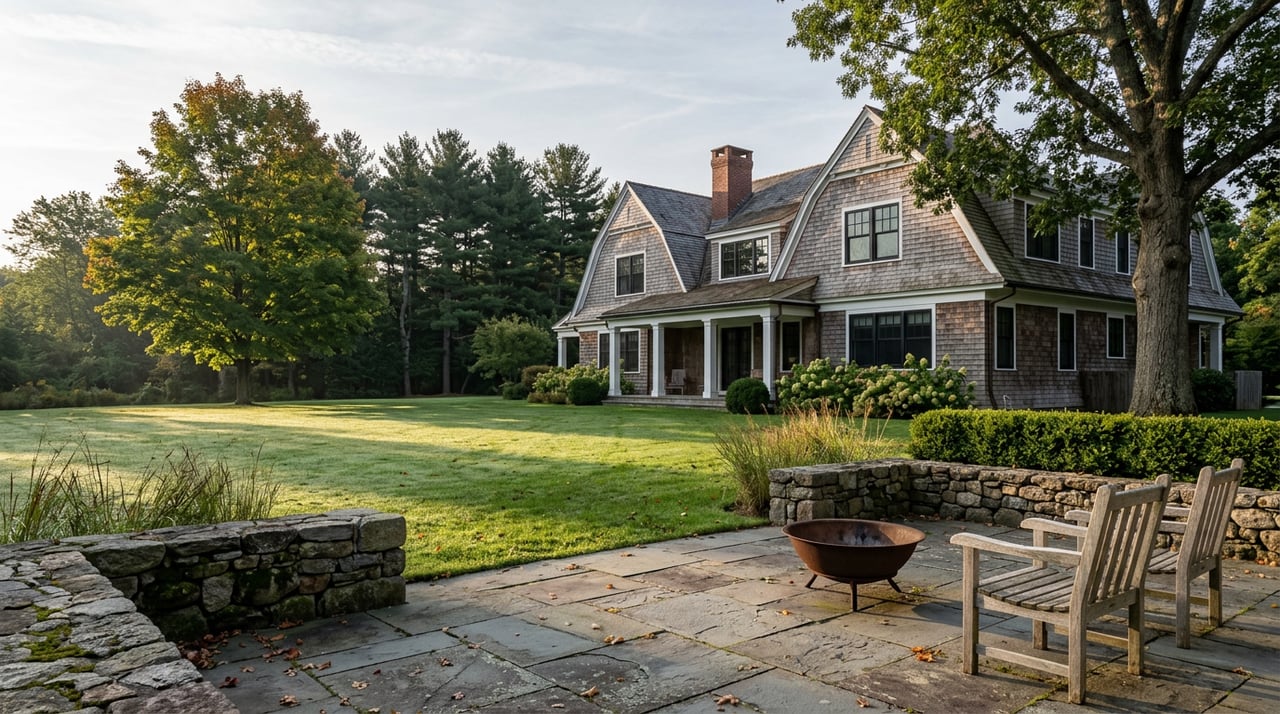
The style mix along the coast is broad. Historic-resource records for Compo/Owenoke include Colonial Revival, Craftsman, Cape, Contemporary, Modern Colonial, and newer infill homes, while Beachside Avenue includes both Colonial Revival houses and a circa 1930 Shingle Style house.
The Bridge Street National Register nomination also notes that Craftsman was especially popular in the Compo/Owenoke area near the mouth of the Saugatuck River. In other words, coastal Westport is not defined by one single style, but by a looser architectural blend.
How coastal homes usually live
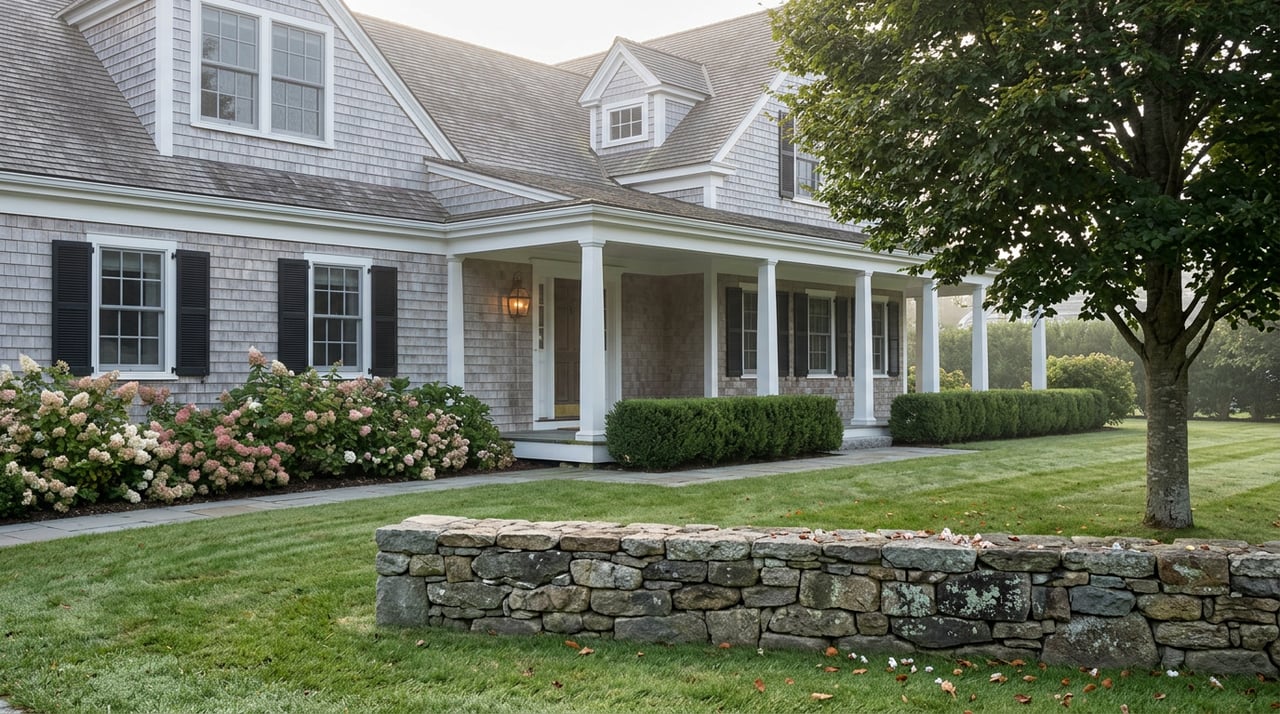
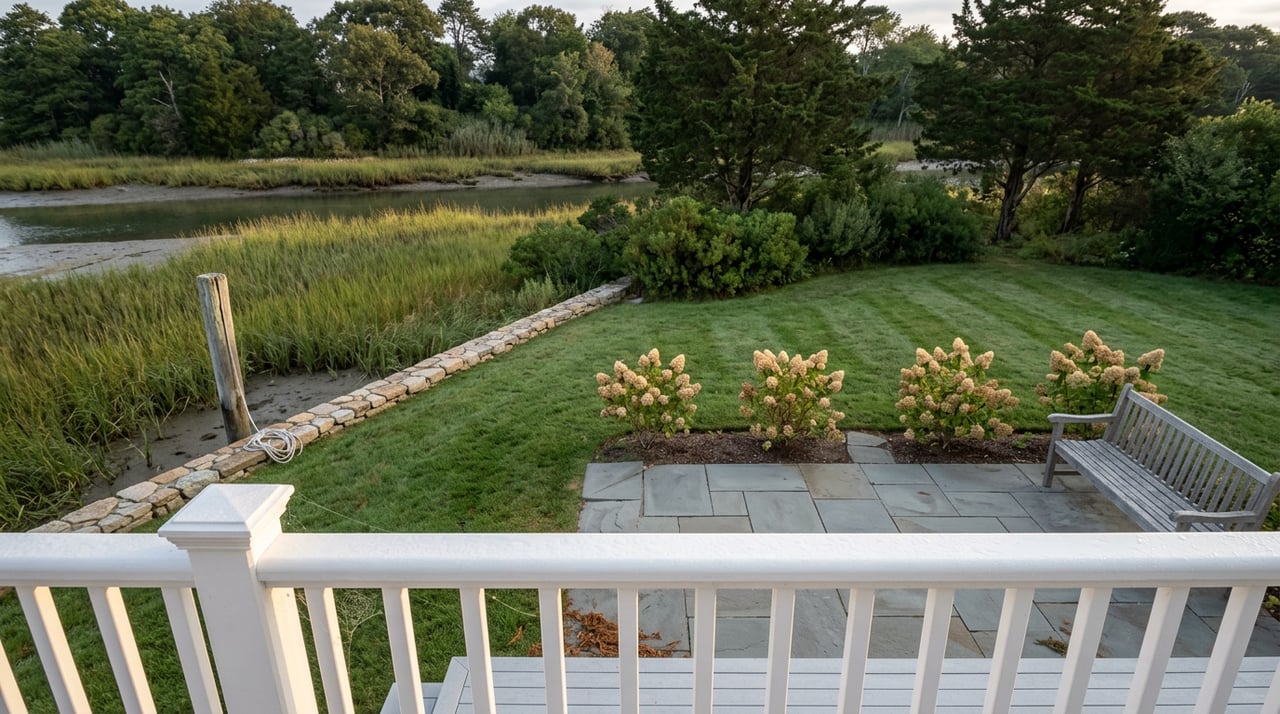
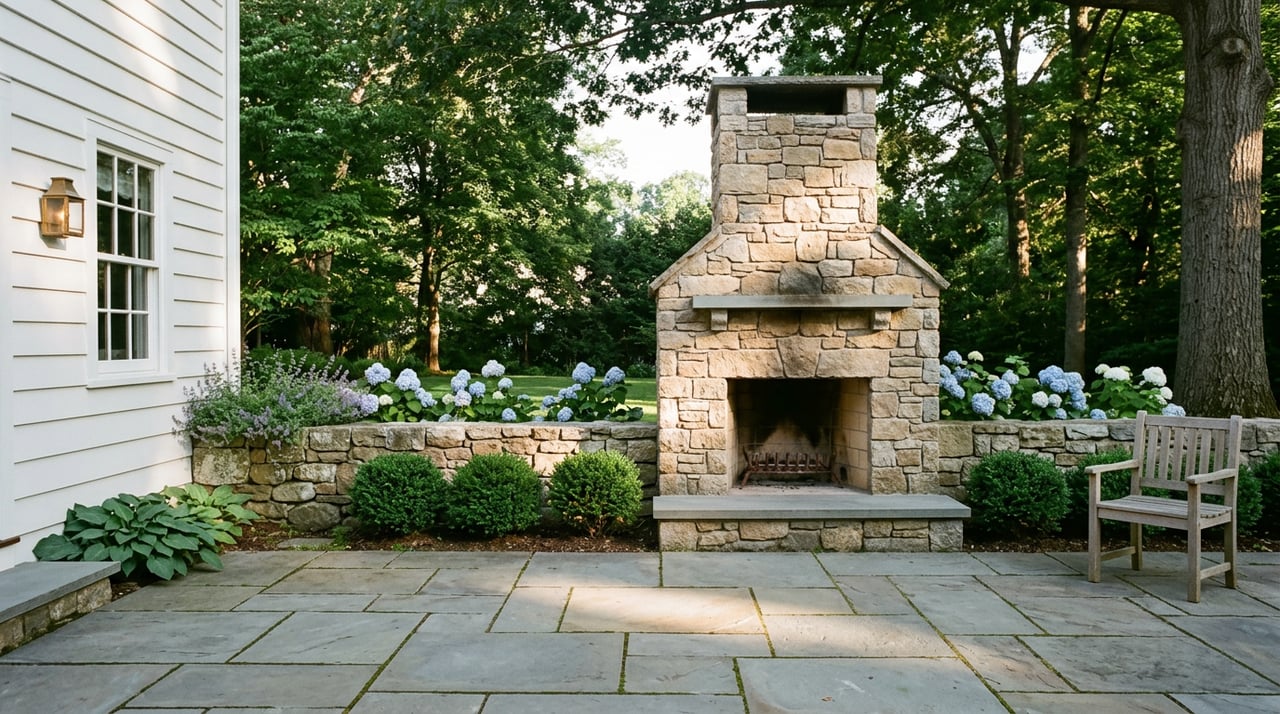
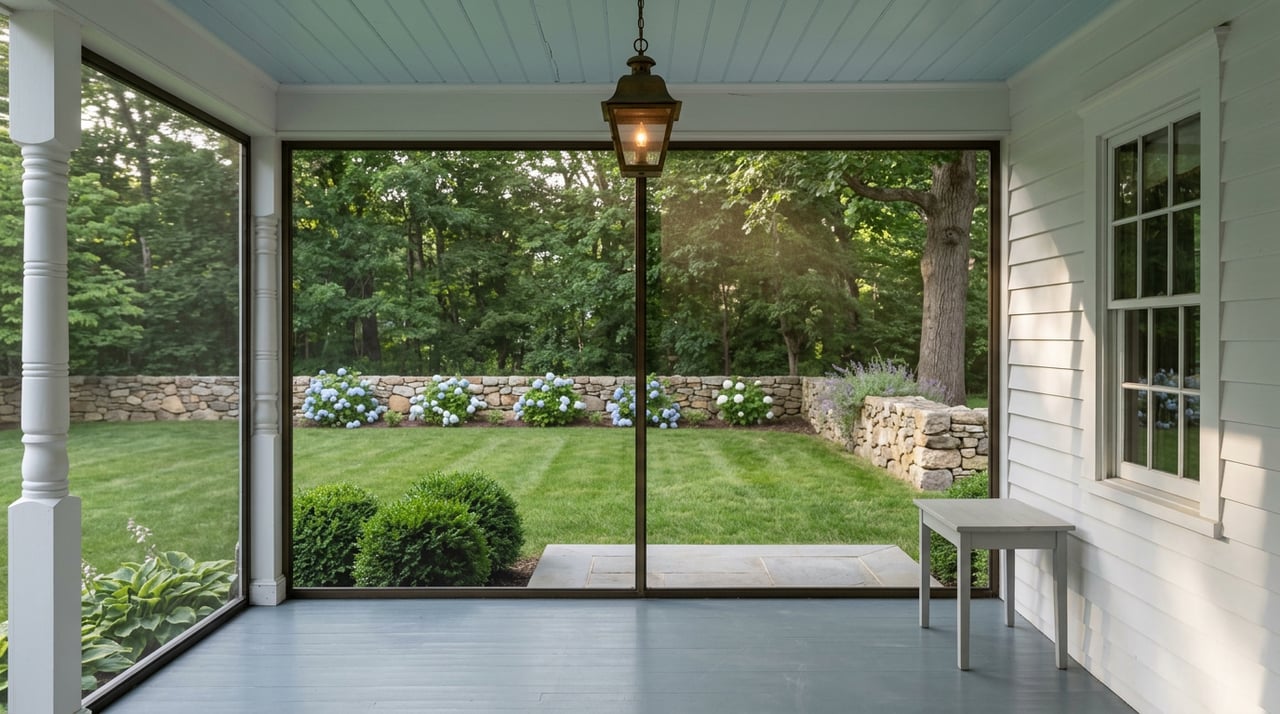
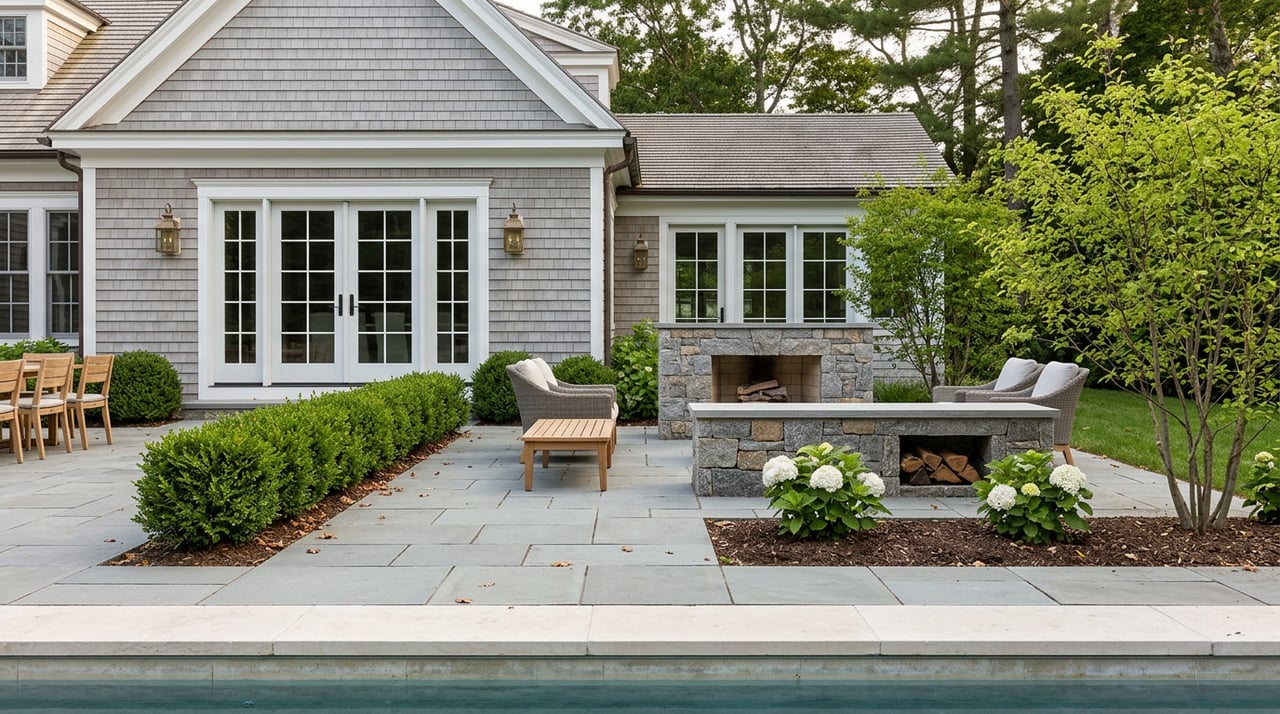
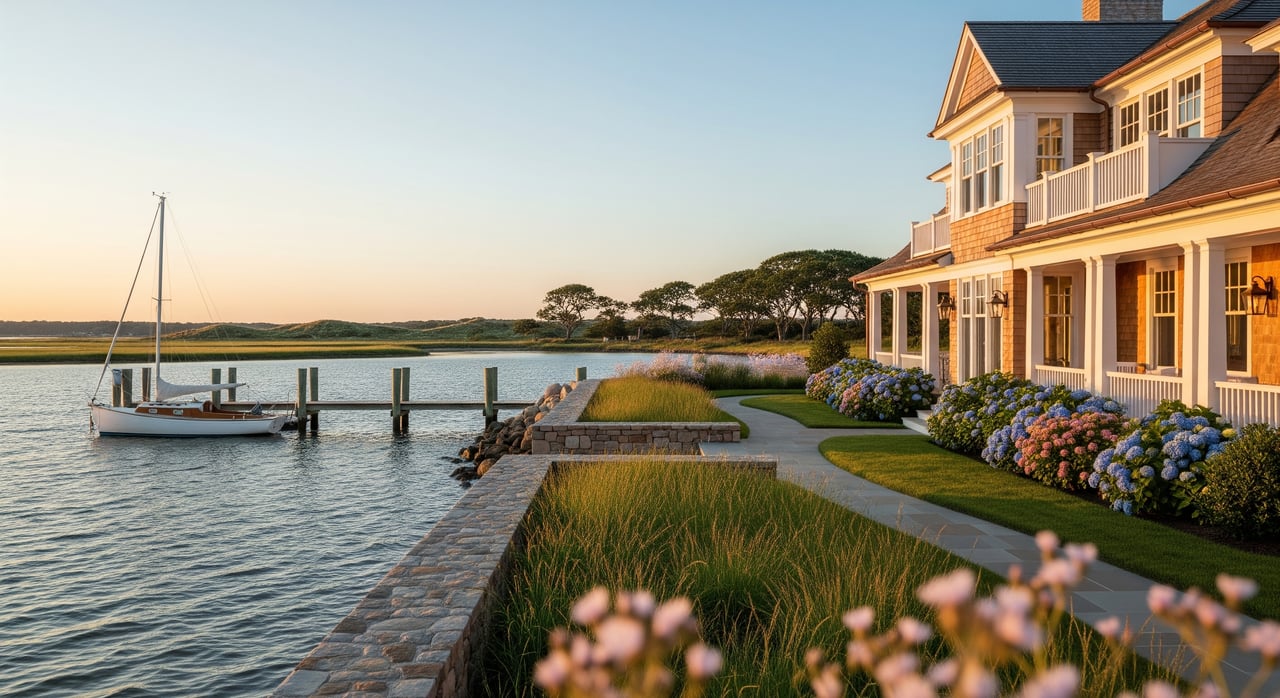
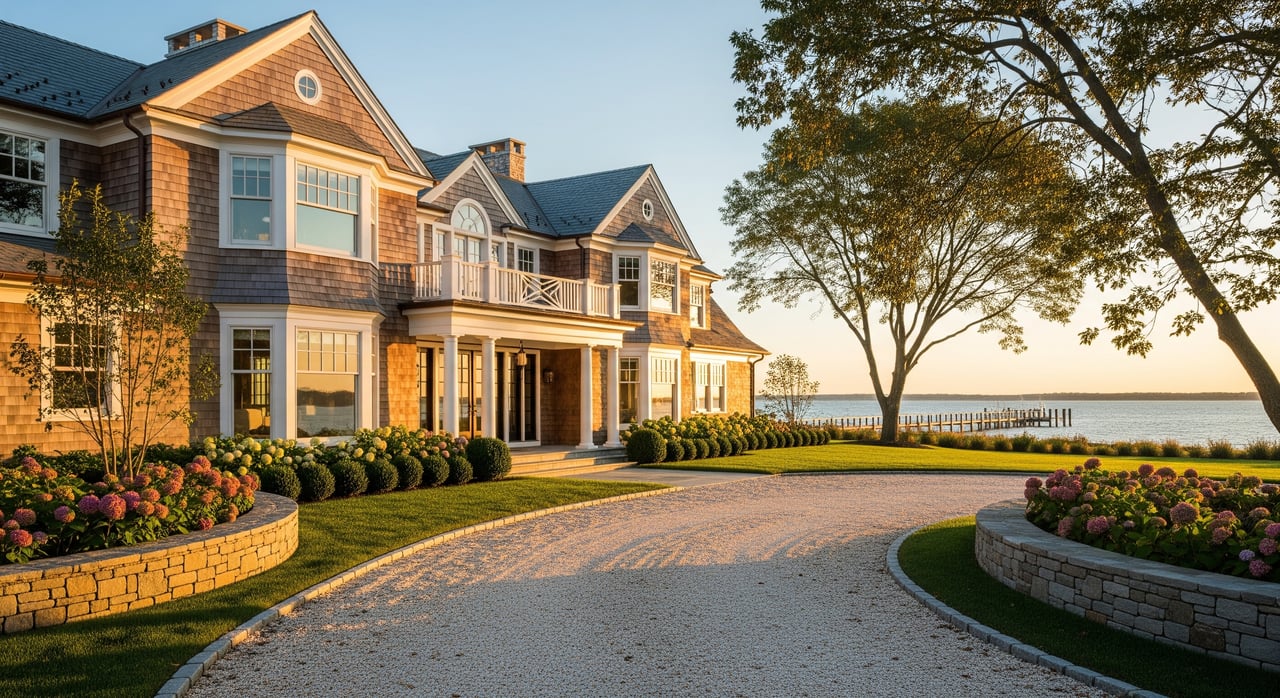
Compared with classic Colonials, coastal homes often feel more informal. They may emphasize porches, decks, secondary living spaces, and a stronger connection between indoor and outdoor areas.
Shoreline settings also support larger glazing and broader views. Westport’s design guidance recognizes that modernist and contemporary architecture often creates more open relationships between windows, walls, structure, and site.
For daily life, that can translate into easy entertaining, guest overflow, and spaces that feel tuned to water, sky, and seasonal use. Even newer custom coastal homes often balance modern openness with familiar forms such as shingles or gables, which helps them feel current without losing their local context.
Saugatuck shows Westport’s history in one place
If you want to understand how Westport’s history shapes architecture, Saugatuck is a useful example. The town describes it as a river-oriented village that grew around wharves, warehouses, stores, and later industrial activity.
Areas farther south along the shoreline evolved into cottage and resort districts. That contrast helps explain why some parts of Westport feel more village-like and historic, while others feel more open, coastal, and changed over time.
Saugatuck’s character comes from that layered evolution. It is one of the clearest reminders that in Westport, architecture is closely tied to how a neighborhood developed, not just what style names appear on a listing sheet.
Midcentury homes and later suburban growth
Westport’s midcentury housing story reflects its suburban expansion. The town notes that by 1920 it had begun to see true suburban development, and by 1956 most open land had been subdivided.
The historic-resource inventory reflects that shift with repeated 1952 to 1955 ranches on Drumlin Road, along with raised-ranch, modern, and contemporary examples on later-period streets. These homes often mark a different phase of Westport living than the town’s earlier village and shoreline architecture.
What midcentury homes offer
Midcentury homes in Westport often emphasize open circulation, simpler massing, and a stronger relationship to the lot. In many cases, they also support easier one-level or split-level living.
Window walls, picture windows, and casement windows can contribute to a brighter feel and a stronger connection to wooded or waterfront settings. Buyers are also likely to encounter renovations in this category, since many of these homes have been adapted over time rather than preserved in untouched condition.
For everyday use, these homes often support open kitchens, family rooms, home offices, and flexible layouts. That lower-formality style continues to appeal to buyers who want adaptable spaces for work, guests, and entertaining.
New custom homes blend tradition and modernity
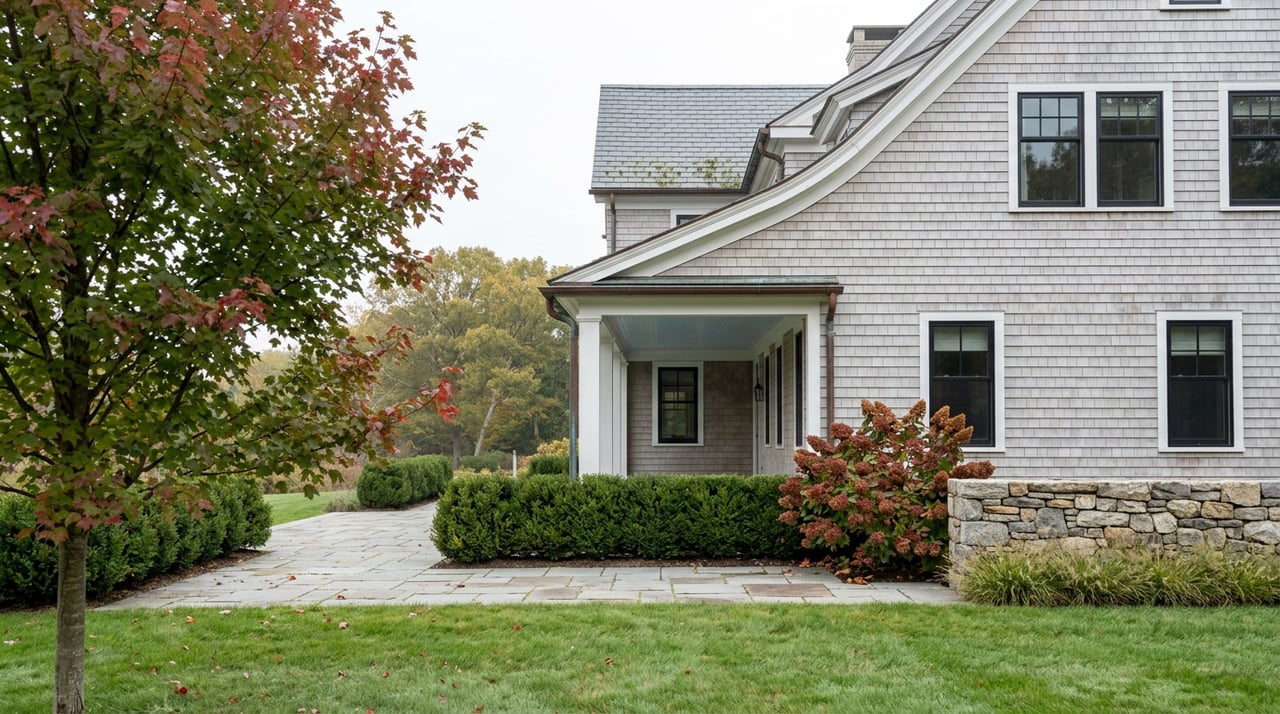
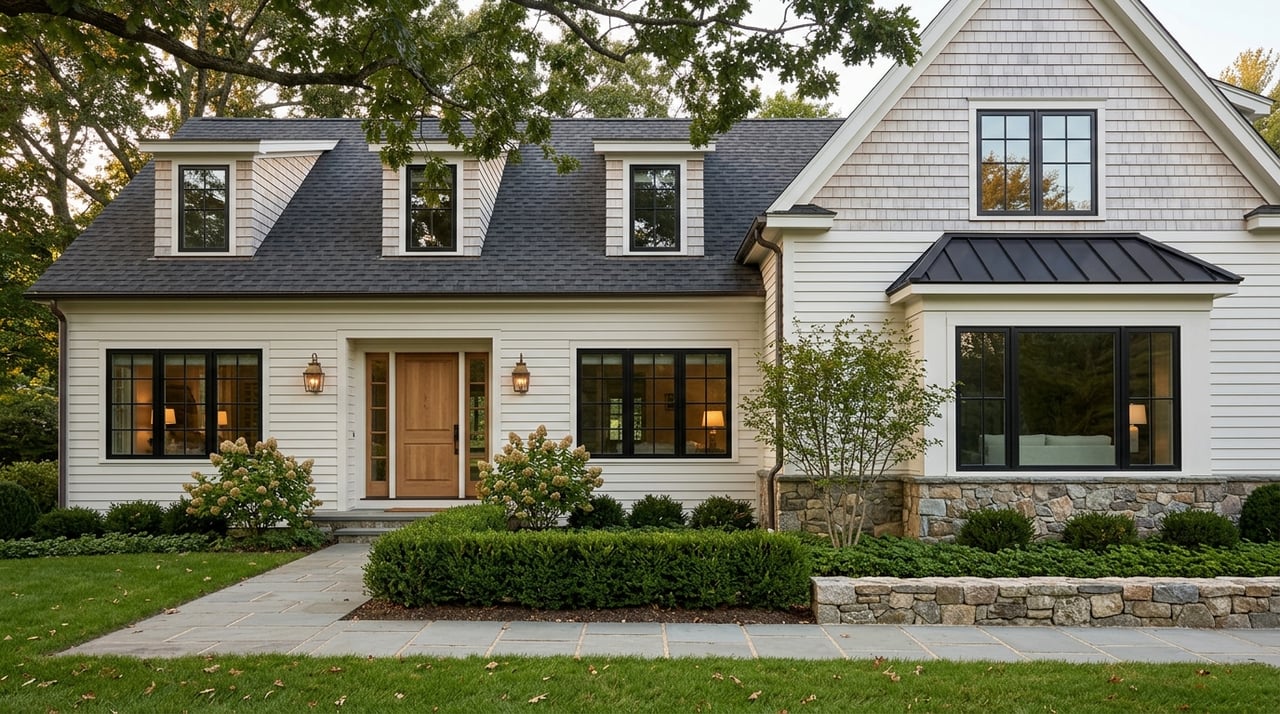
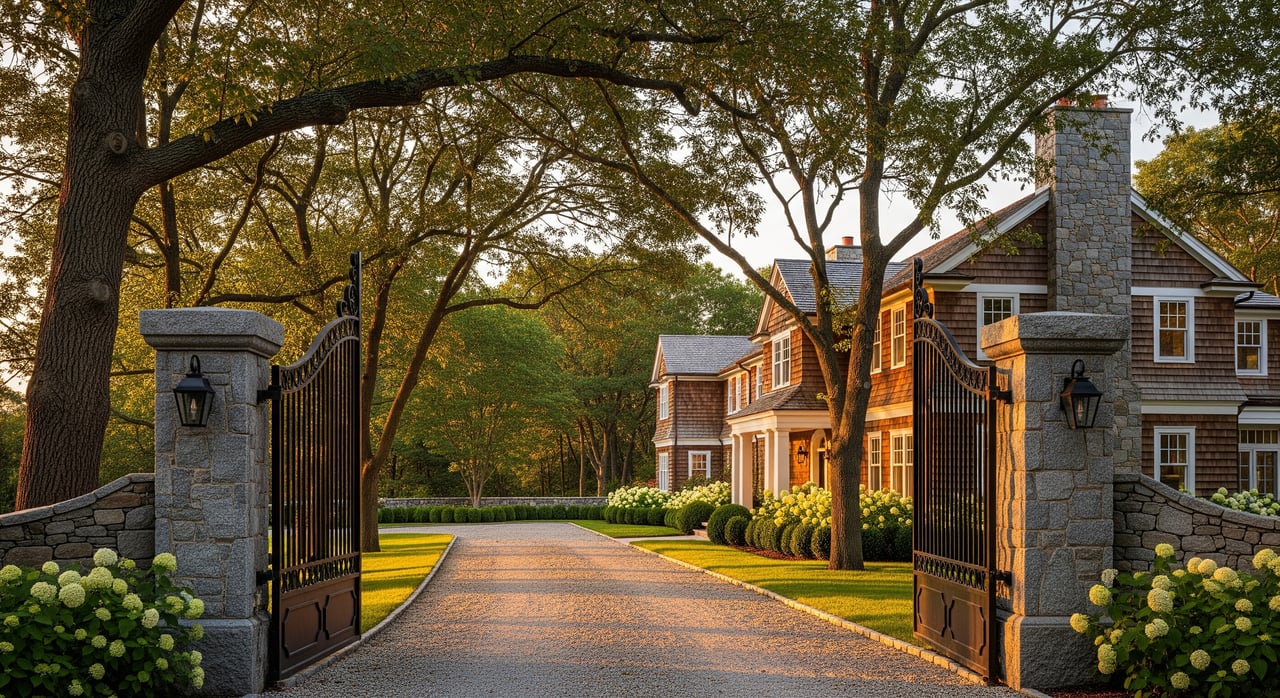
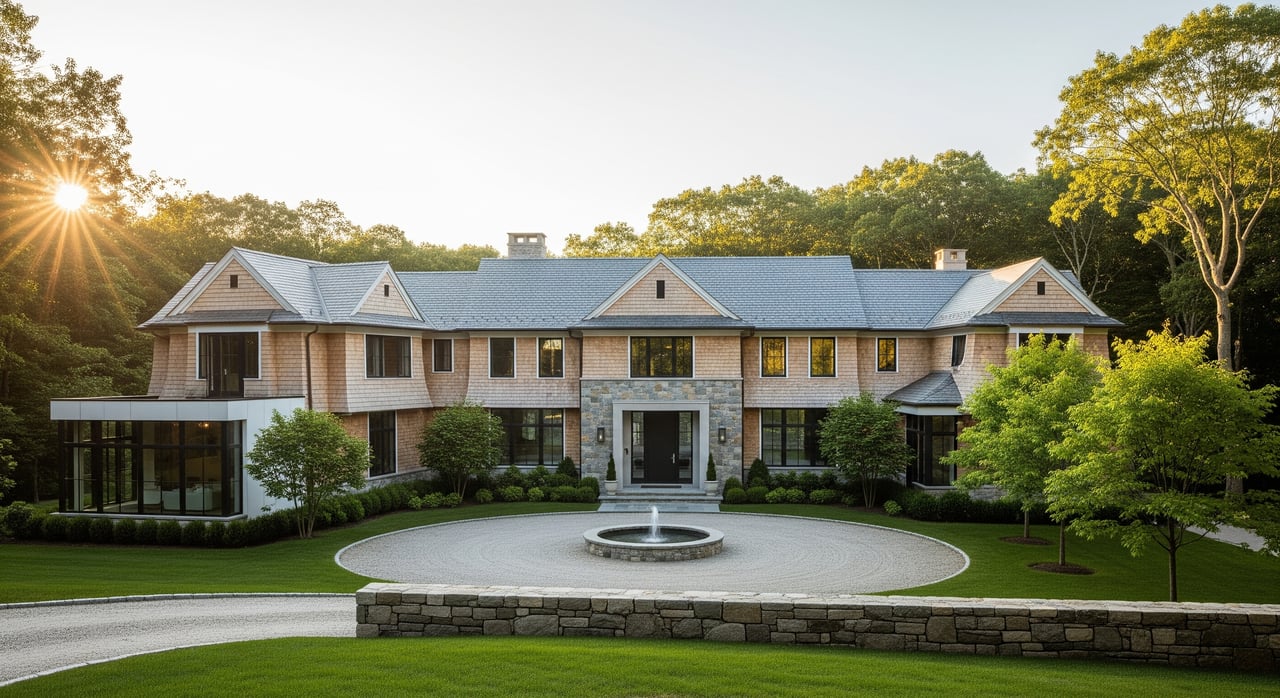
Westport’s newer custom homes often sit between historical reference and contemporary design. The town’s guidelines note that recent contemporary architecture may incorporate traditional motifs and neoclassical ornament in new combinations.
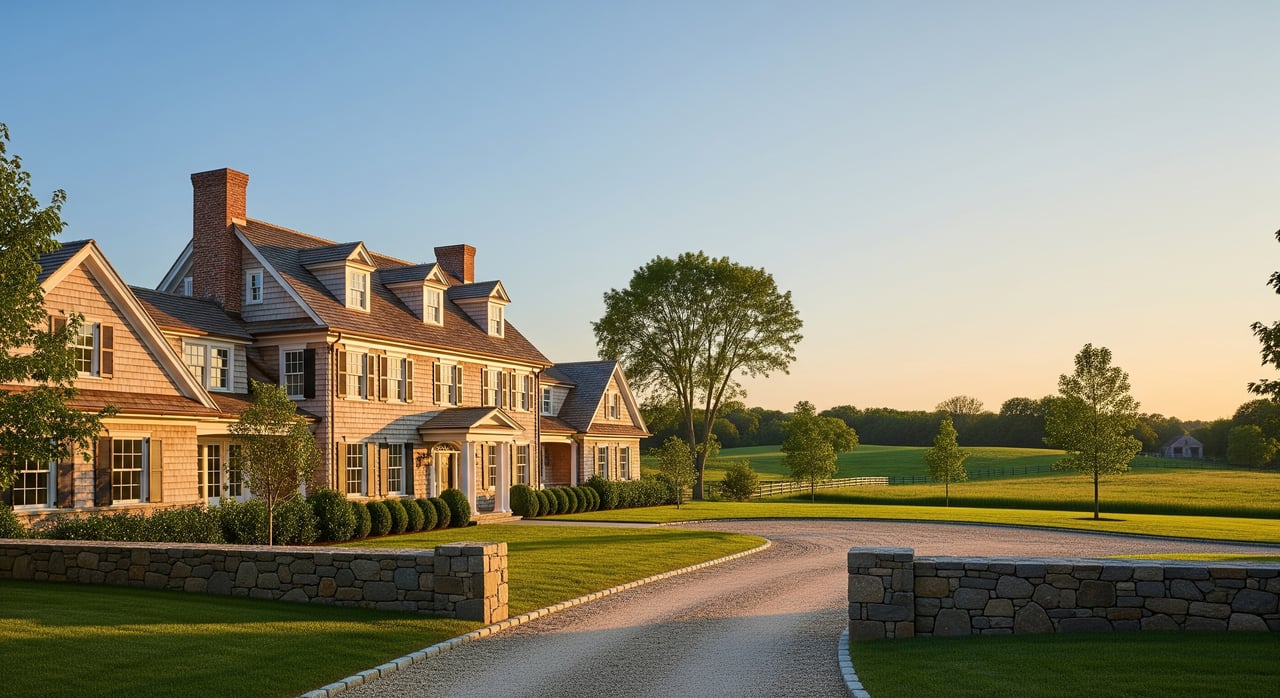
There is also renewed interest in Shingle Style revival, especially near the shoreline. The historic-resource records reflect that variety with examples including a 2018 Shingle Style home, a 2022 Contemporary home, and a 2013 Craftsman home.
What often distinguishes the strongest new homes is not simply style, but restraint. In Westport, newer houses tend to feel most successful when they balance scale, proportion, and site response with the expectations of modern living.
What craftsmanship looks like in Westport
Good architecture in Westport is about more than naming a style correctly. The Historic District Commission evaluates appropriateness through features such as scale, massing, windows, doors, porches, and roofs, while also emphasizing the importance of retaining characteristic architectural details and repairing rather than replacing when possible.
For a design-minded buyer or seller, that is a helpful lens. The most compelling homes usually feel coherent from the street, with exterior elements that work together rather than compete for attention.
A practical way to read the market is this:
- Colonials should feel balanced and composed.
- Coastal homes should feel light and responsive to their setting.
- Midcentury homes should retain clean, simple volumes.
- New custom builds should show proportion and discipline, even at a larger scale.
In the end, Westport’s architectural character comes down to fit. The house should make sense for its neighborhood, its lot, and the way you want to live.
Why this matters when you buy or sell
If you are buying in Westport, understanding architectural character can help you focus your search more intelligently. A formal Colonial, a casual coastal house, a midcentury renovation opportunity, and a new custom build may all offer luxury, but they support daily life in very different ways.
If you are selling, architectural clarity matters just as much. A home with a strong sense of style, proportion, and neighborhood fit is easier to position well because buyers can quickly understand what makes it distinctive.
That is especially true in a market like Westport, where design literacy often influences value. The most effective representation starts with recognizing not just what a home is, but why it belongs exactly where it is.
If you are considering a move in Westport and want thoughtful guidance on architectural character, neighborhood context, and property positioning, connect with Emily Gordon.
FAQs
What architectural styles are common in Westport neighborhoods?
- Westport includes Colonial, Colonial Revival, Craftsman, Cape, Shingle Style, Contemporary, Modern Colonial, ranch, and other midcentury forms, depending on the neighborhood and period of development.
What makes coastal Westport architecture different?
- Coastal areas such as Compo, Compo/Owenoke, and Beachside often reflect cottage, resort, and shoreline development patterns, which can create a more relaxed mix of porches, decks, broader views, and varied styles.
What should buyers know about Westport historic districts?
- In Westport local historic districts or on local historic properties, visible exterior work requires a Certificate of Appropriateness, so buyers should understand that exterior changes may be subject to review.
Are all Westport Colonials actually historic homes?
- No. Many homes that read as classic Colonials in Westport are Colonial Revival or neo-Colonial homes, which may have traditional exteriors but more modern interior layouts.
What defines good craftsmanship in Westport homes?
- A well-crafted Westport home usually feels cohesive in its scale, massing, windows, doors, porches, and rooflines, with architectural features that suit both the house and its setting.