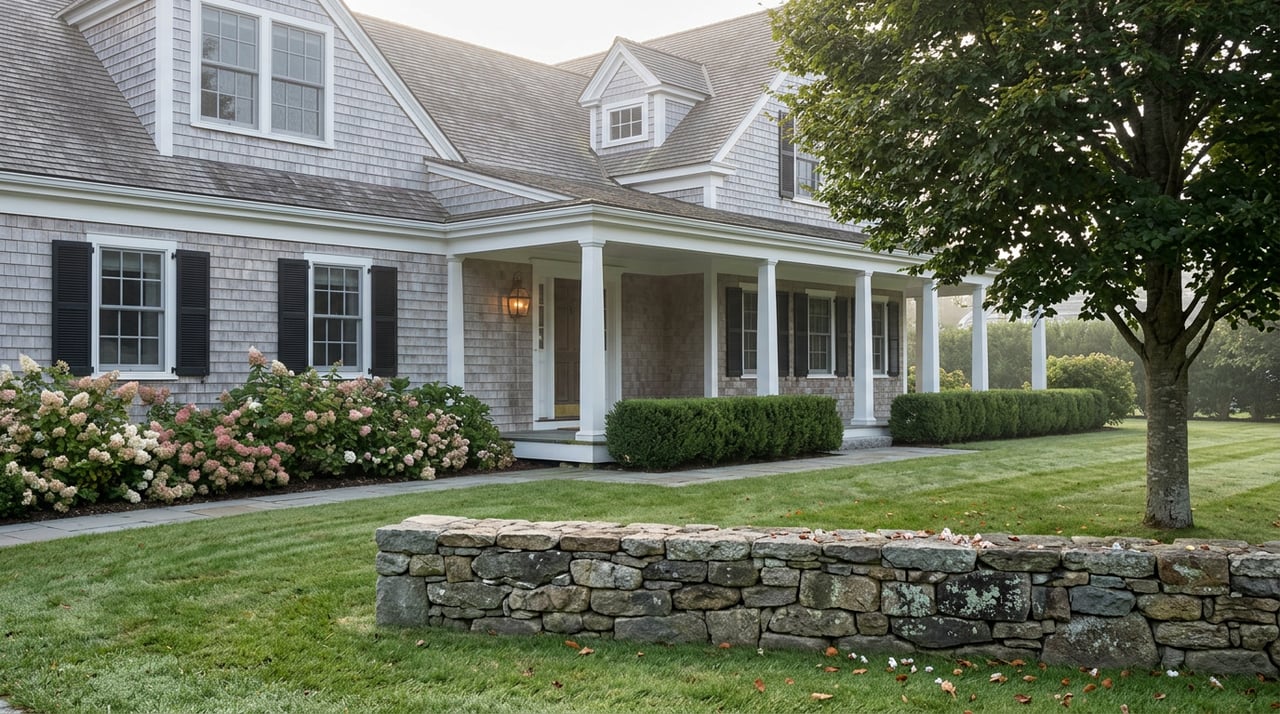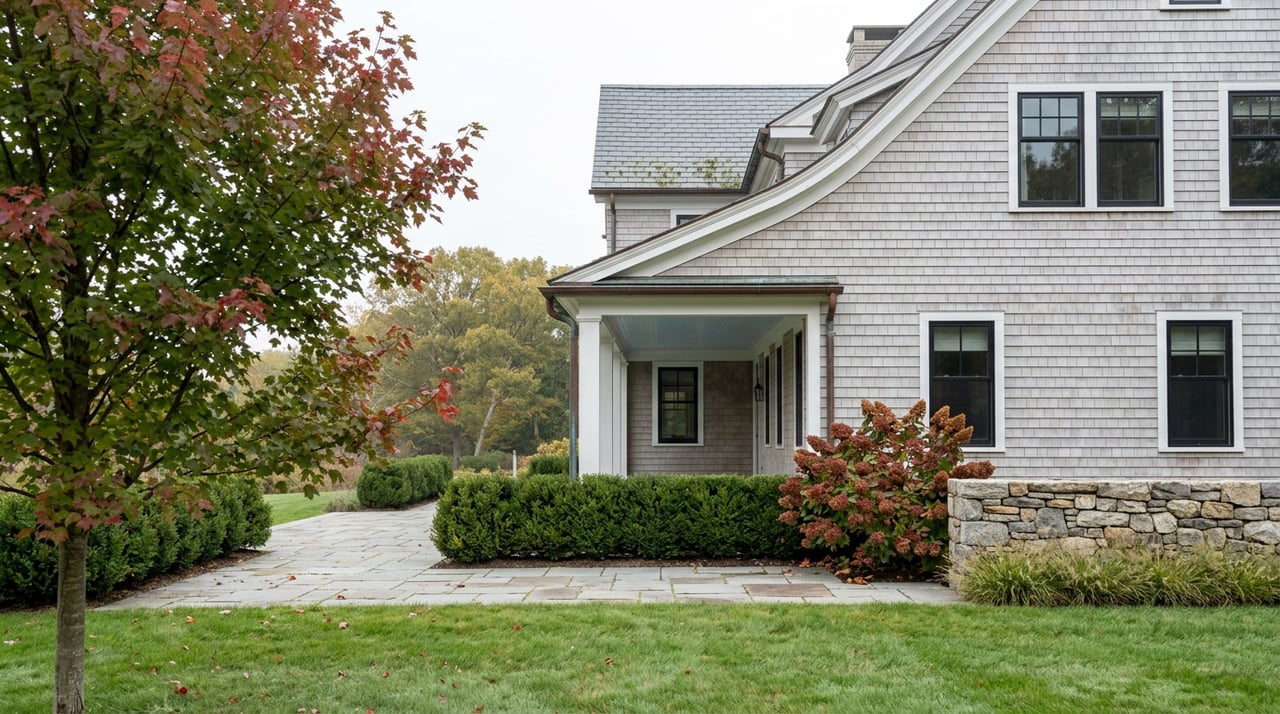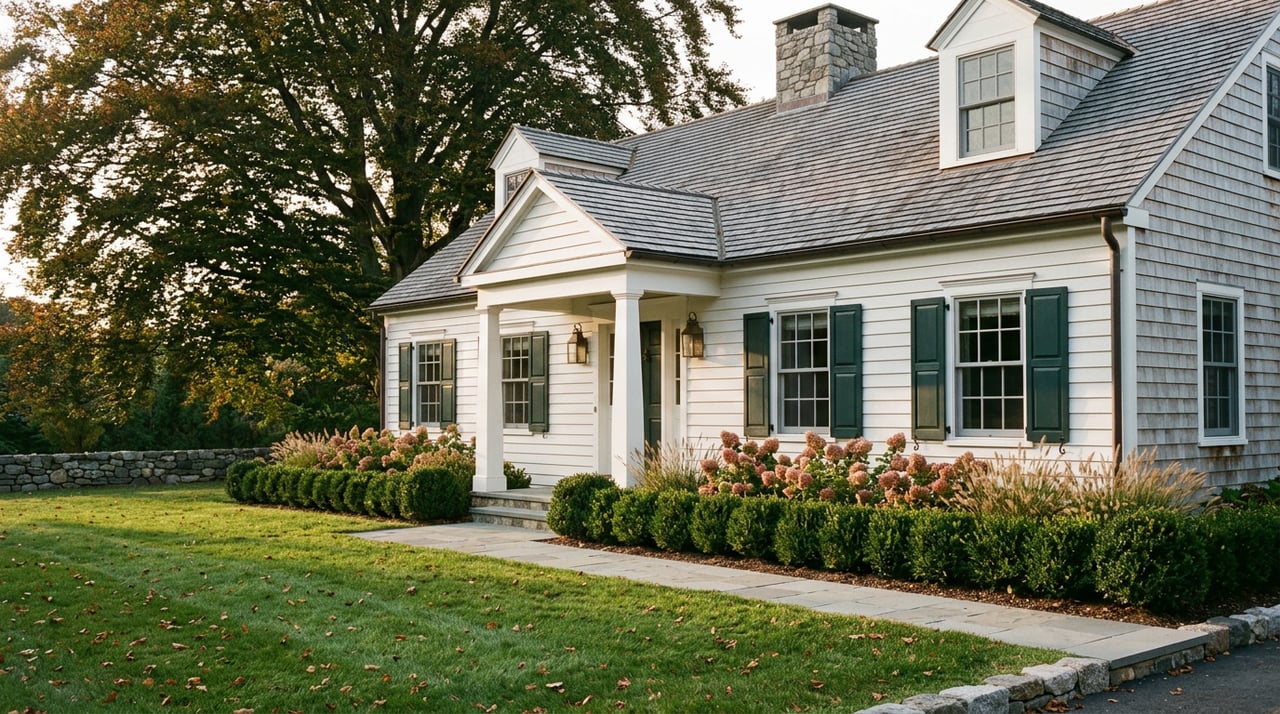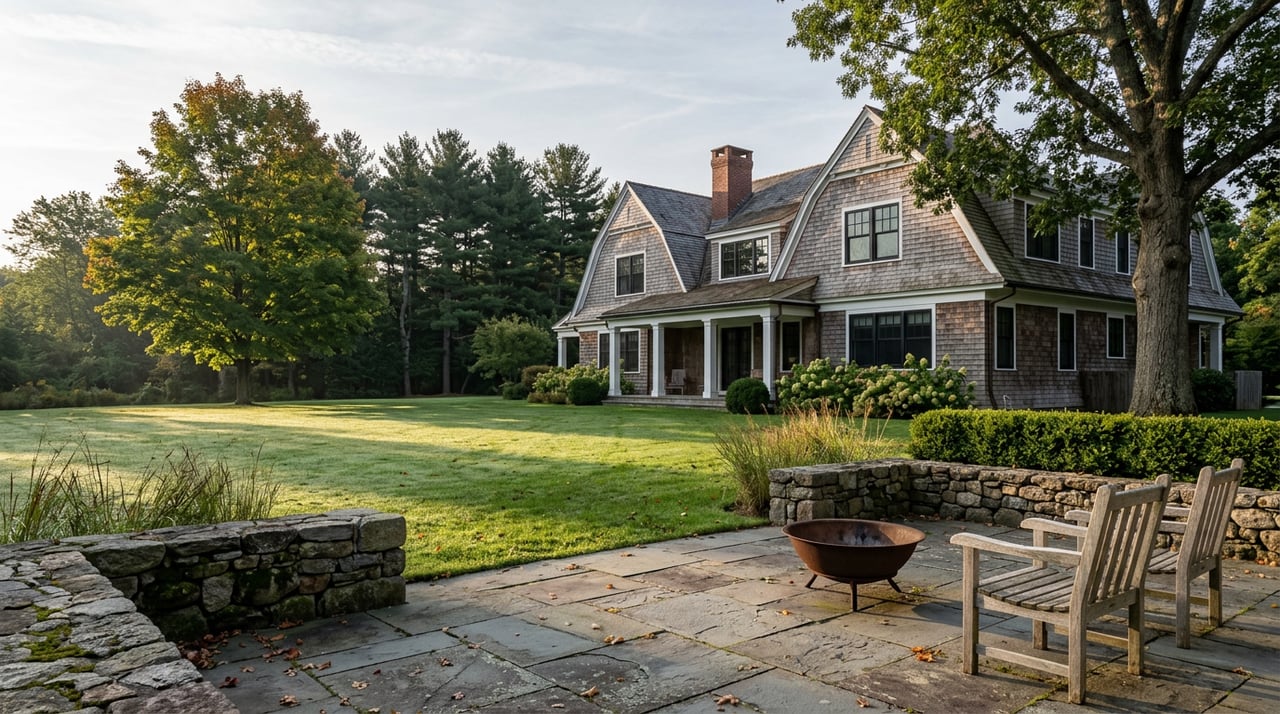
Are you drawn to the ease of walking to coffee, dinner, and the library, or do you picture your days closer to the water with beach access and Long Island Sound in view? In Westport, that choice is more than a preference. It often shapes your daily routine, your home style, and your place in the market. If you are deciding between in-town and coastal living in Westport, this guide will help you compare both settings with a clear eye. Let’s dive in.
Westport Offers Two Distinct Lifestyles
Westport’s own resident materials point to two lived experiences. One centers on homes near downtown, where you are closer to shopping, dining, and civic amenities. The other is tied to the shoreline, including areas near Compo Beach and Saugatuck Shores, where daily life leans more toward water access and recreation.
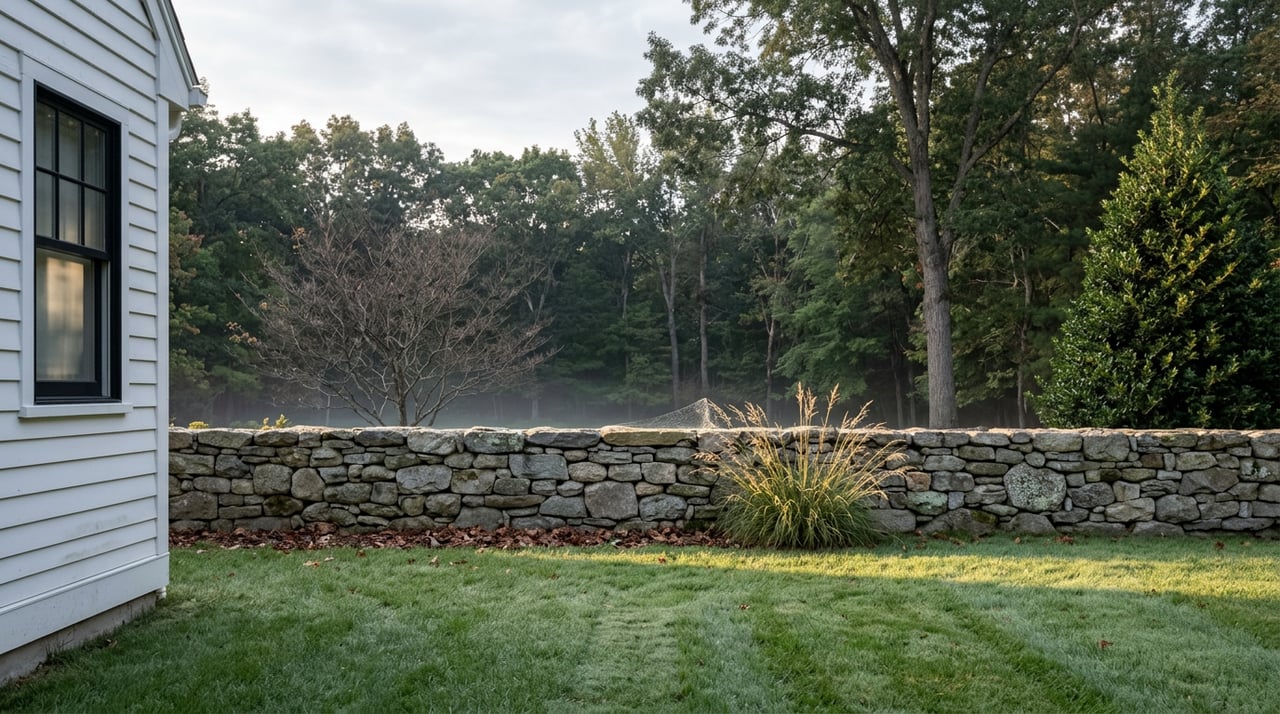
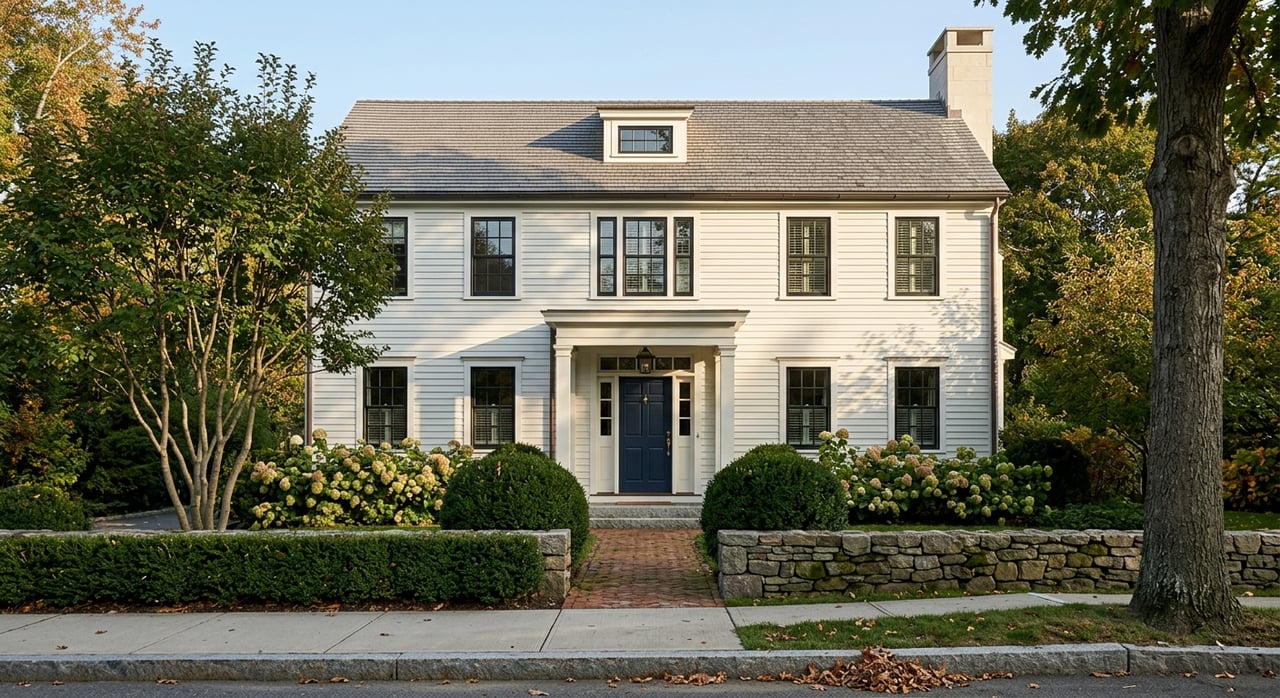
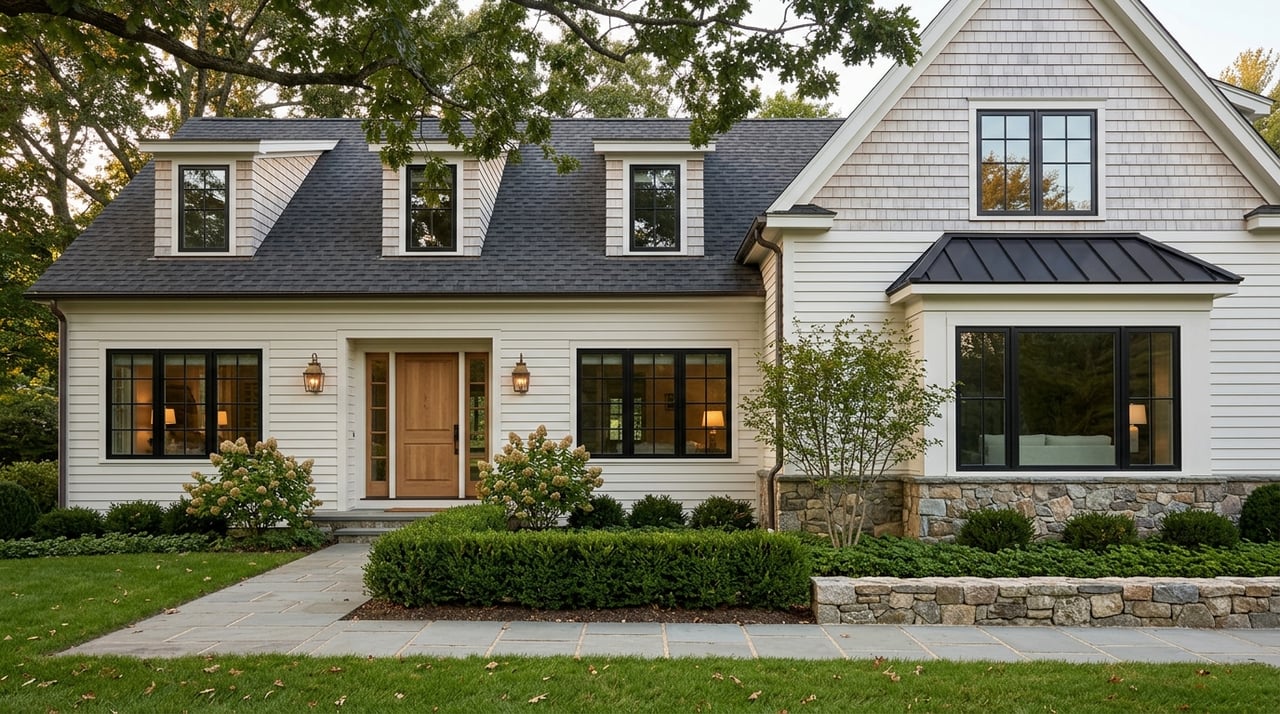
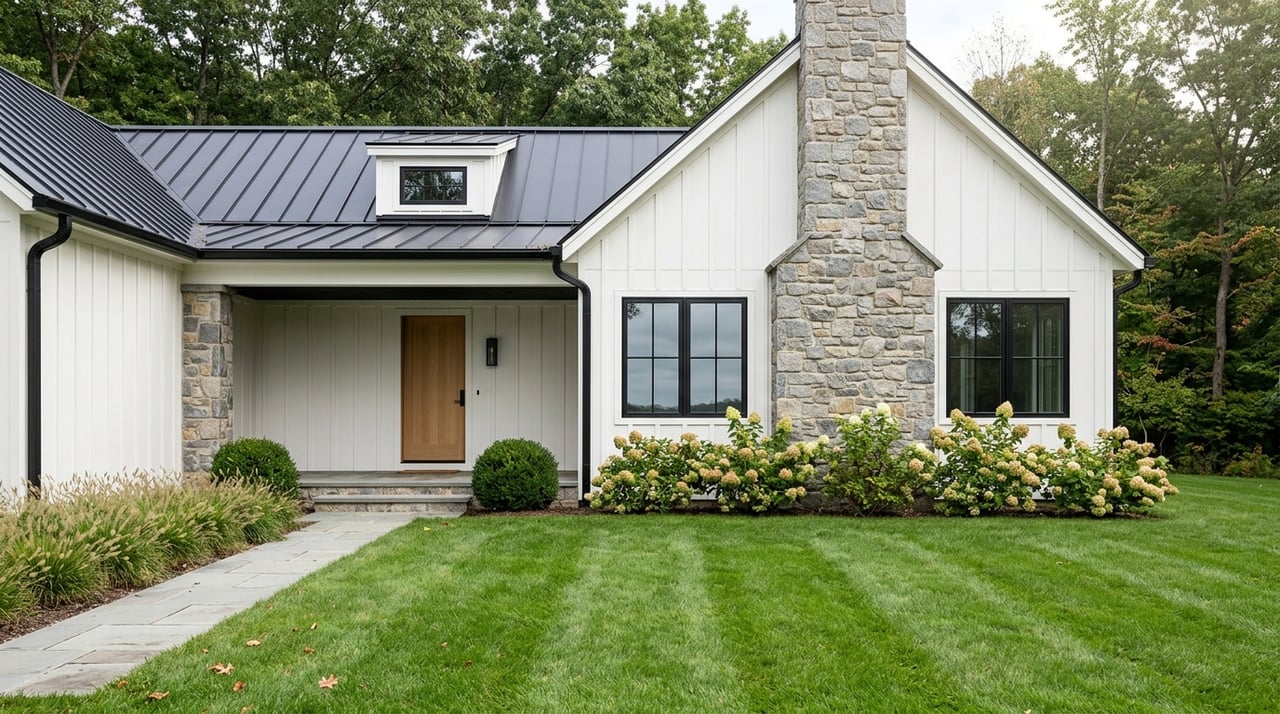
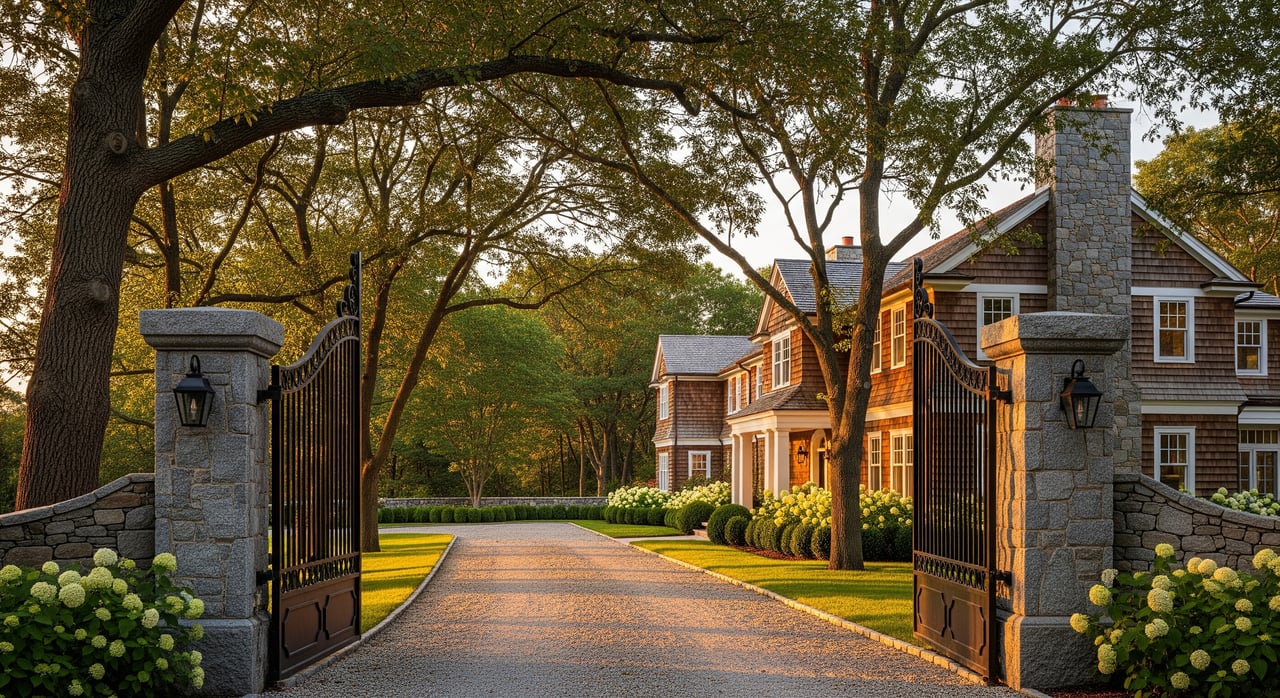
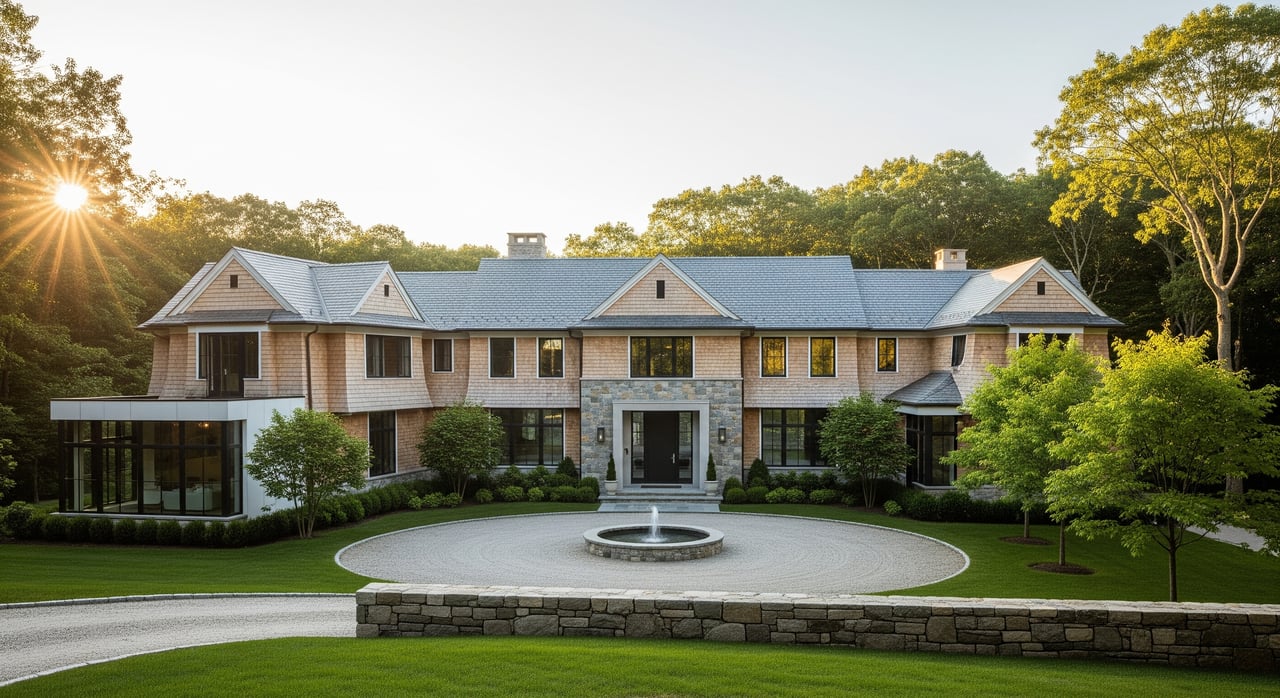
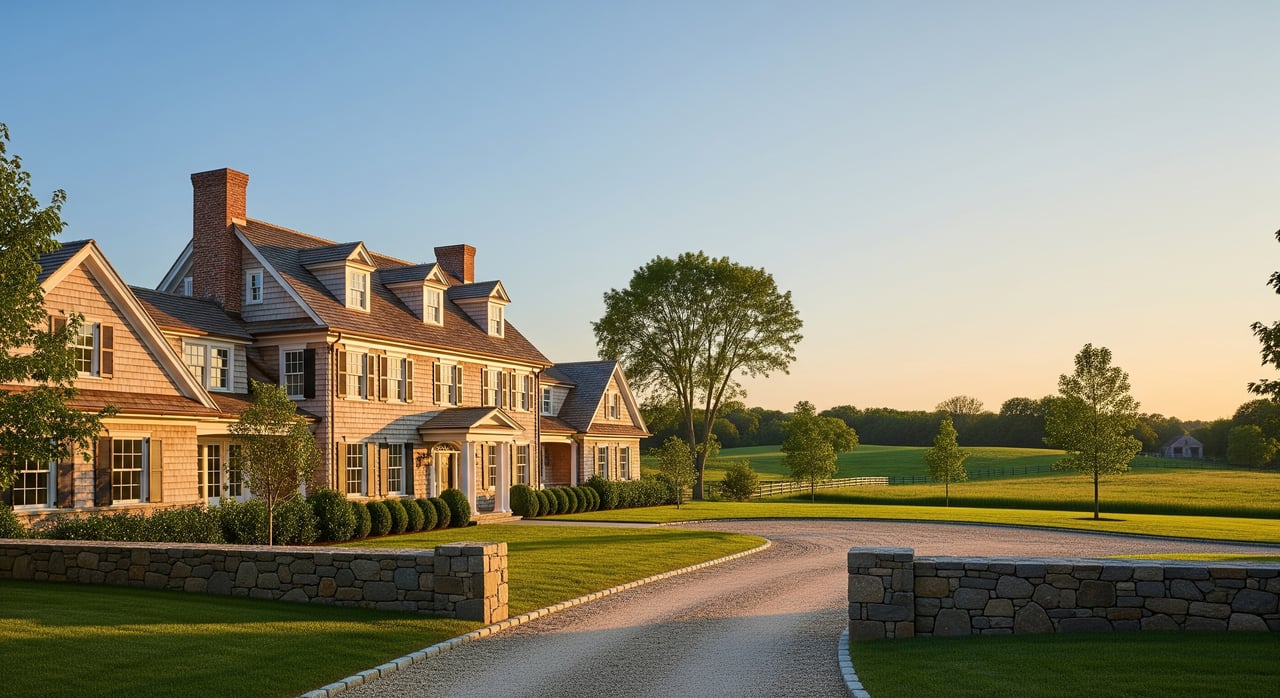
That contrast matters because Westport is not a one-note market. The town describes itself as largely a single-family home community, with some homes on two-acre lots, riverfront properties, and historic homes. In practice, your experience can feel very different depending on whether you choose the center of town or the coast.
In-Town Living in Westport
Walkability Shapes Daily Life
Westport’s downtown is anchored by Main Street, Church Lane, Jesup Green, and nearby municipal parking areas. The town also highlights the Westport Library and downtown merchants as part of the core, which gives the area a civic and commercial mix rather than a purely residential feel.
If you value convenience, this setting can be especially appealing. You may be able to build more of your routine around nearby errands, dining, and community spaces instead of getting in the car for every stop.
The Village Feel Is Intentional
Westport’s Village District study describes the downtown area as a mixed-use district meant to be walkable and attractive to residents, employees, and visitors. It also notes design review standards intended to protect the area’s character and public views to the Saugatuck River.
That planning helps explain why in-town Westport often feels cohesive and established. For many buyers, it offers a small village-center atmosphere with a strong sense of place.
Housing Near the Center
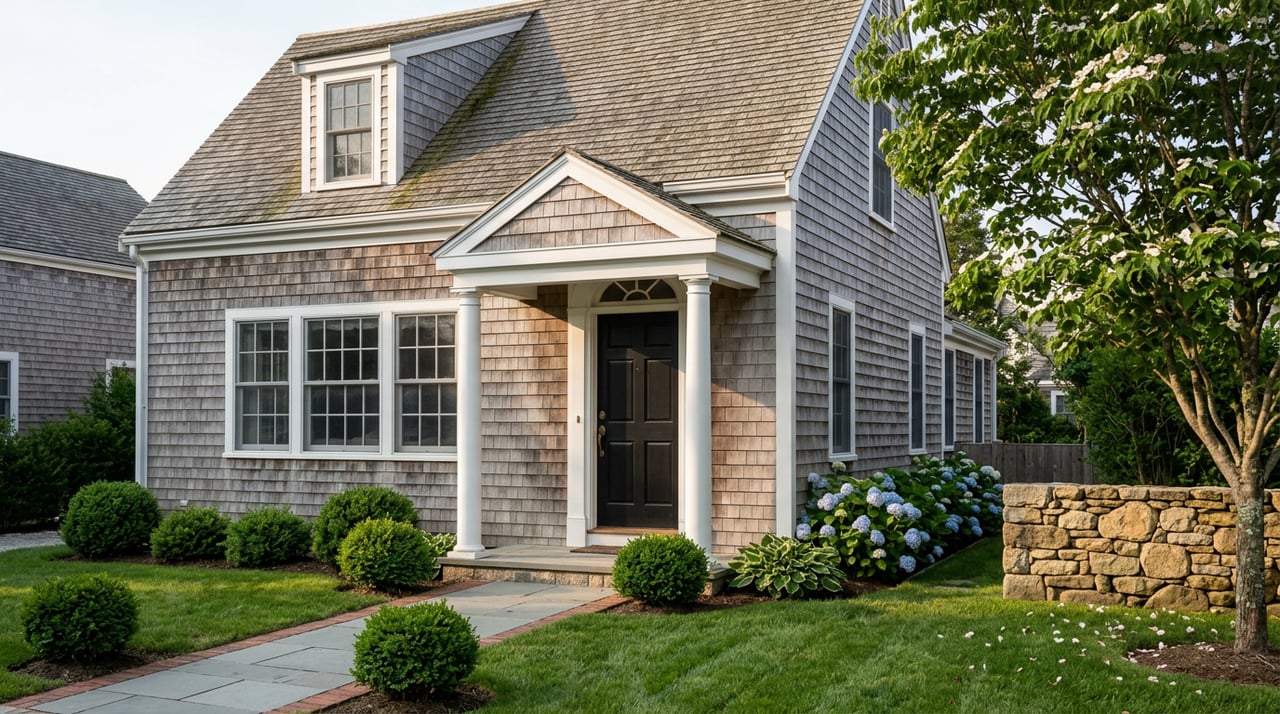
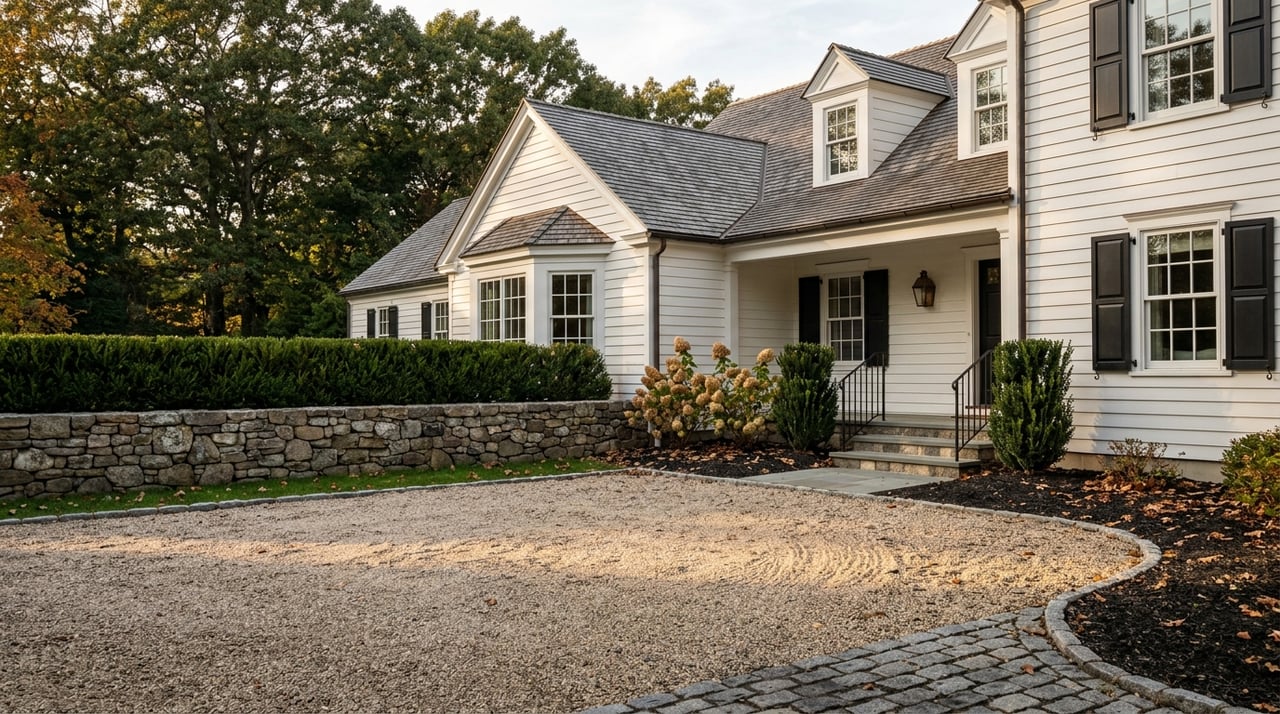
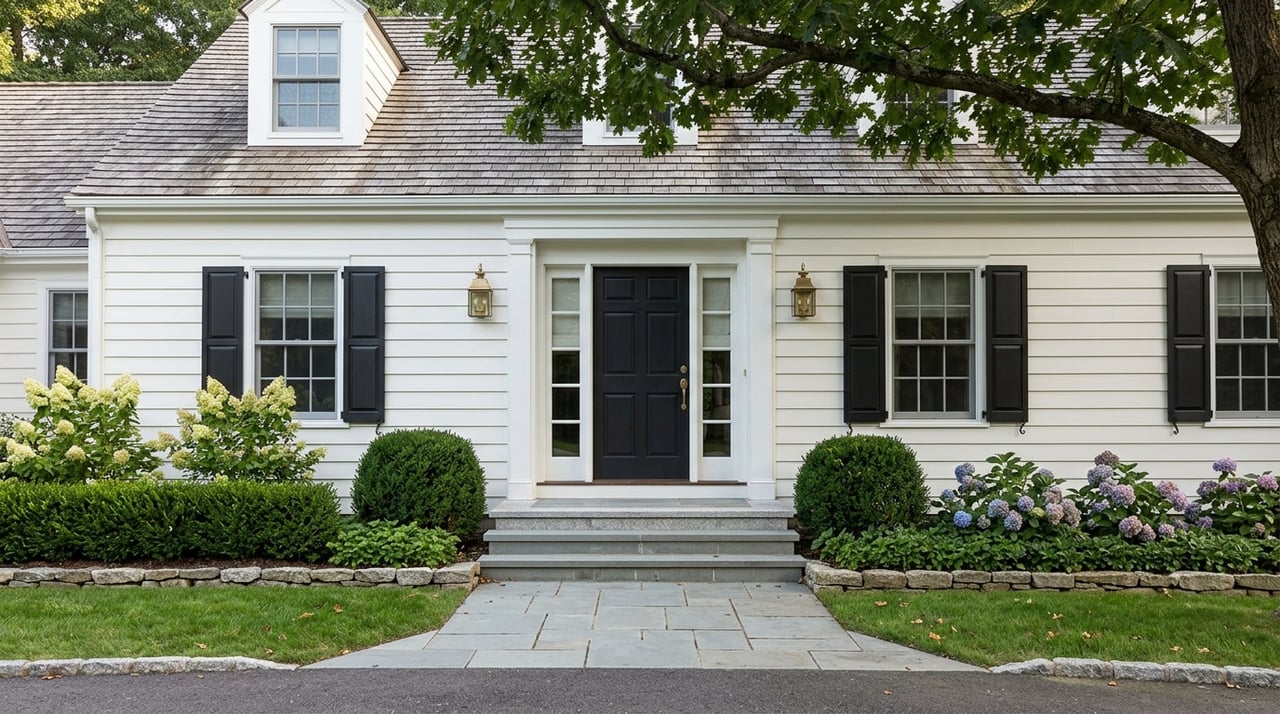
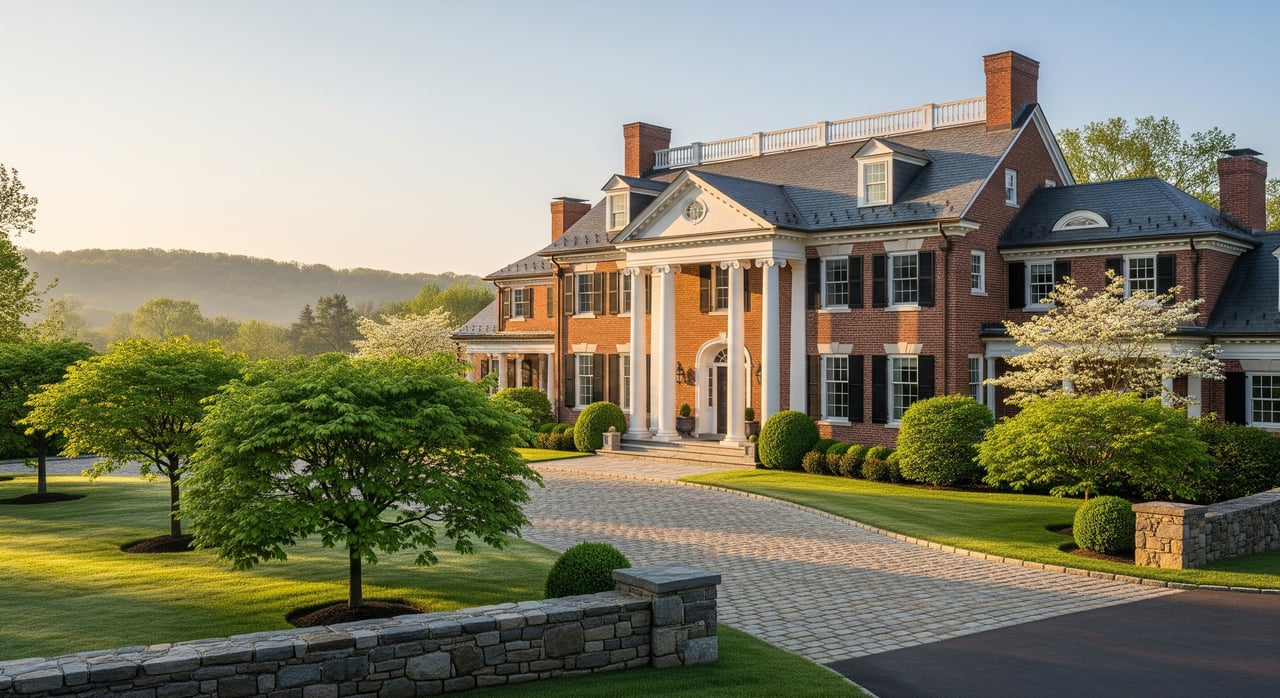
Westport remains largely single-family, but in-town homes tend to offer a different mix than shoreline addresses. Depending on the street, you may find older homes connected to the town’s historic core, architecturally notable properties, and residences with easier access to downtown and transit.
The Historic District Commission regulates several local historic districts, including Jesup Road, Kings Highway North, Lincoln Street-Riverside Avenue, and Morningside Drive South. That added layer of review helps preserve the architectural character found on many established in-town streets.
Coastal Living in Westport
The Shoreline Has Its Own Rhythm
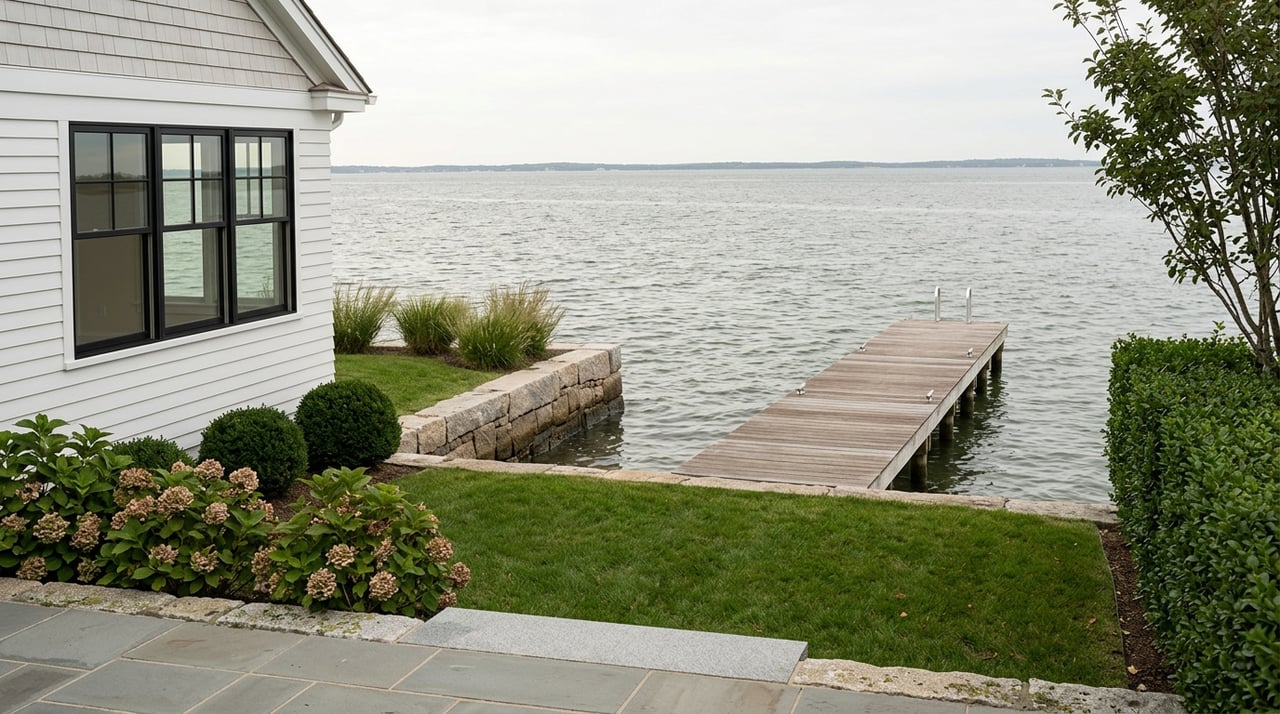
Westport has many miles of coastline on Long Island Sound, and its coastal side includes Compo Beach, Burying Hill Beach, Canal Beach, and shoreline areas such as Saugatuck Shores. Compo Beach alone is a 29-acre park with a sand beach, boardwalk, pavilion, concession stand, volleyball courts, a playscape, and the adjacent Ned Dimes Marina.
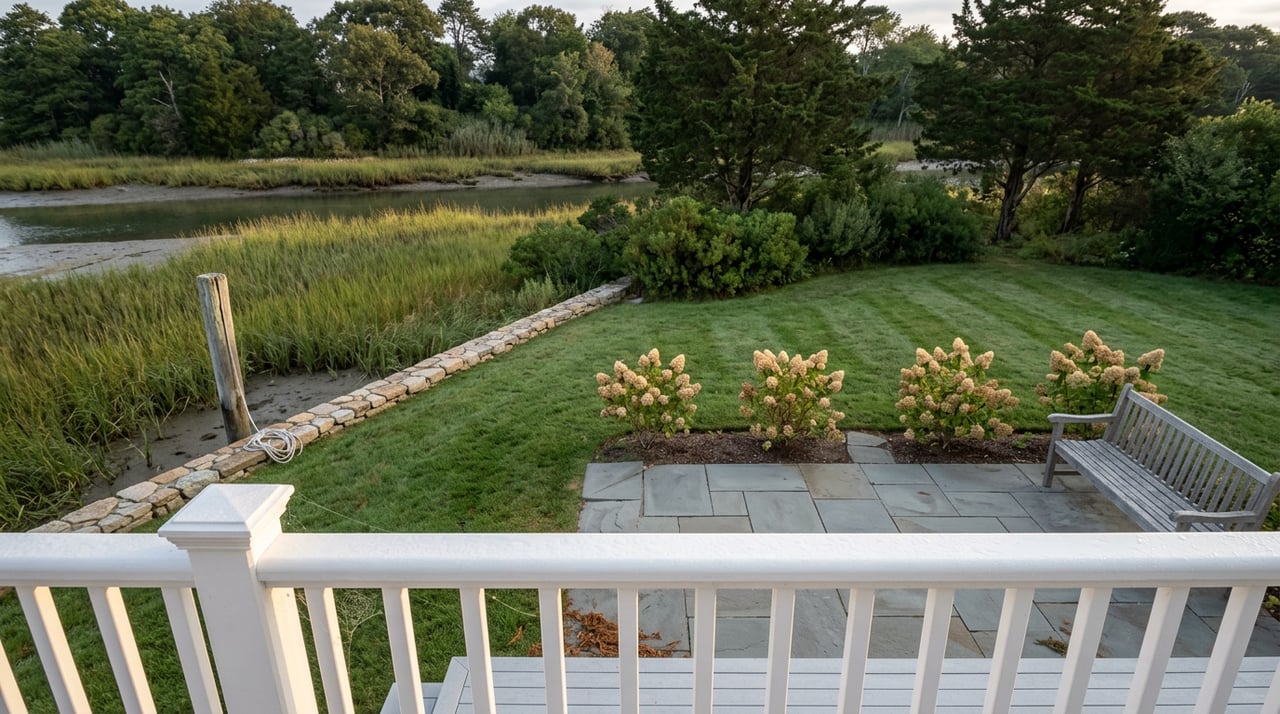
If your ideal day includes the beach, kayaking, marina access, or a water-oriented setting, coastal Westport offers a lifestyle that is hard to match. The experience is less about being near a traditional downtown core and more about living close to open water and outdoor recreation.
History Still Shapes the Feel
Westport’s history notes that Beachside Avenue became an exclusive residential community by 1920, while Compo Beach developed as a more modest cottage resort community overlooking Long Island Sound. That background still helps explain why shoreline areas can feel more seasonal, recreational, and water-focused than the center of town.
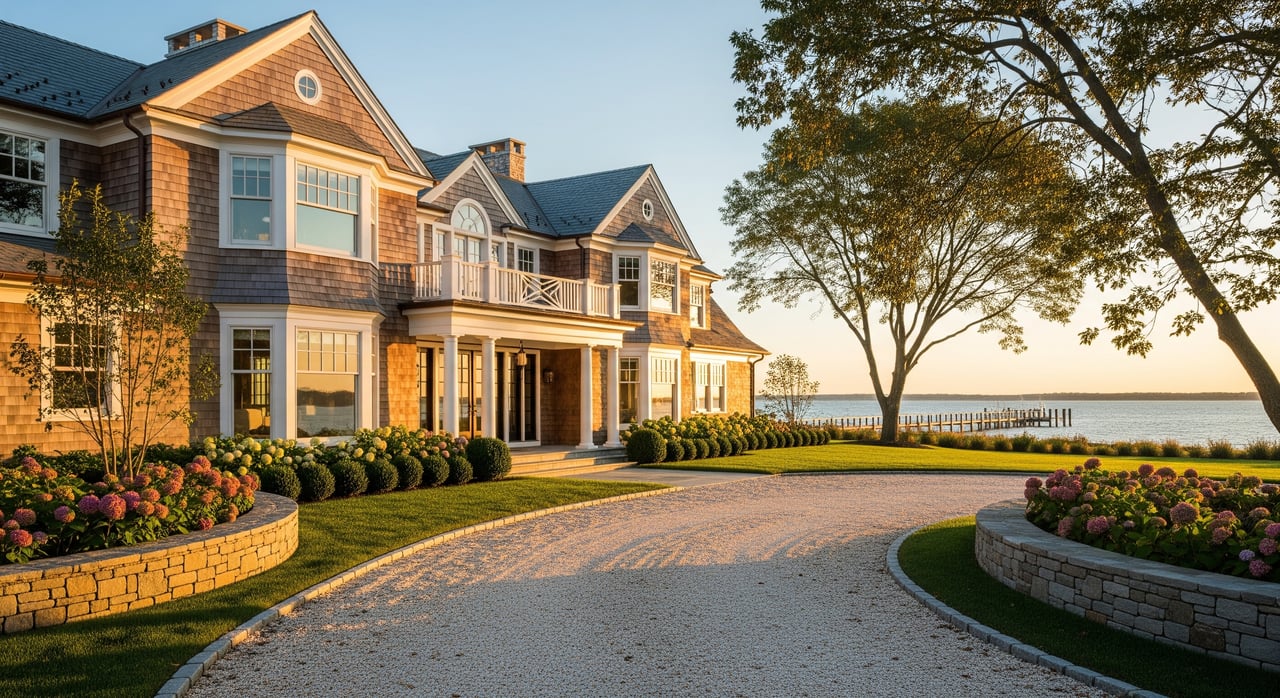
For a buyer, that often shows up in the architecture and atmosphere. Coastal Westport may include beachfront homes, seaside cottages, riverfront settings, and historic properties with a strong connection to the shoreline.
Coastal Living Comes With Seasonal Considerations
Beach living in Westport is appealing, but it also comes with its own logistics. The town requires beach parking emblems from May 1 through September 30, and only 125 Compo daily passes are sold per day. At Burying Hill, seasonal parking fees apply, and dogs are prohibited south of Beachside Avenue from April 1 through September 30.
Shoreline living also calls for more awareness of access and environmental conditions. The town notes that shellfishing access is best by boat and that the public parking area at Canal Road in Saugatuck Shores is limited to eight vehicles.
Commuting and Convenience
In-Town Access Favors Daily Ease
Westport is about 40 miles from New York City and has access to I-95, U.S. 1, the Merritt Parkway, two Metro-North stations, Amtrak access, and a local commuter shuttle service. For many buyers, this makes in-town living attractive because it can simplify the connection between home, downtown, and rail.
The official station name is Westport, and the town notes that the westbound platform is open from 5 a.m. until midnight daily. Westport’s Wheels2U program also provides shared rides between the Westport and Greens Farms stations and any Westport address, which can reduce some of the friction of station access.
Parking Supports the Town Center
Downtown Westport is active, but it is also designed with parking in mind. The Baldwin Lot, Parker Harding Lot, and Jesup Lot serve the center, and the town says downtown has more than 2,000 parking spots, including 1,009 all-day spaces.
On-street parking in downtown is limited to two hours from 8 a.m. to 6 p.m. That is another sign of how the in-town core functions: pedestrian-oriented, busy, and built to support a mix of shopping, services, and everyday activity.
Coastal Life Prioritizes Water Access
By contrast, coastal living tends to center less on retail walkability and more on shoreline access. The tradeoff is clear. You gain proximity to the beach, marina, and Sound, but you may need to think more about seasonal parking rules, weather conditions, and flood-related planning.
Westport’s floodplain and emergency materials underscore that point. The town notes that shoreline residents should pay attention to flood maps and flood-event notifications, and that sirens in Saugatuck Shores are tested monthly for flood events or other evacuation-level situations.
Housing and Price Differences
Westport Is Not One Uniform Market
One of the most important things to understand about Westport is that pricing can vary widely by location and property type. Waterfront access, water views, lot size, historic character, and walk-to-town convenience all influence value.
Townwide market snapshots show the scale of the market, but not every area behaves the same way. Zillow reported an average Westport home value of $2,056,664 in late spring 2026, while Redfin reported a $2.1 million median sale price over the prior three months.
Coastal Areas Often Sit Higher
For a shoreline benchmark, Realtor.com’s Compo-Owenoke Historic District page reported a median home price of $3.35 million and a median rent of $10,500 per month in its December 2025 snapshot. The same source listed Westport overall at a $3.0475 million median home price and Greens Farms at $4.899 million.
The key takeaway is not that every coastal home is automatically more expensive. It is that near-shore and waterfront areas often sit at the upper end of the local market, while pricing remains highly specific to the block and the property itself.
Which Westport Setting Fits You Best?
In-Town May Suit You If You Want
- Walkability to shops, dining, the library, and municipal services
- Easier rail-oriented commuting
- A mixed-use village feel with civic energy
- Established streets with historic or architectural character
If your priority is daily convenience, in-town Westport may feel like the more natural fit. It supports a lifestyle built around access, routine, and connection to the center of town.
Coastal May Suit You If You Want
- Direct access to Long Island Sound and beaches
- Marina use, kayaking, or shellfishing access
- Water views and an outdoor-oriented routine
- A more specialized waterfront or luxury property search
If your priority is lifestyle by the water, the shoreline may offer the setting you have in mind. The tradeoff is that coastal living usually asks for more flexibility around seasonality, access, and flood awareness.
How to Make the Right Choice
The best choice often comes down to how you want your days to feel. If you picture walking to coffee, browsing downtown, and keeping your commute as streamlined as possible, in-town Westport may align with your goals. If you imagine morning beach walks, time on the water, and a home shaped by its shoreline setting, coastal Westport may be the better match.
In a market as nuanced as Westport, the details matter. Street by street and property by property, the difference between a good fit and the right fit can be significant, especially when architecture, setting, and long-term value are part of the decision.
Whether you are weighing a move to the center of town or exploring the shoreline, thoughtful local guidance can make the search far more productive. If you want a clear, design-aware perspective on Westport’s in-town and coastal options, connect with Emily Gordon.
FAQs
Is downtown Westport actually walkable for daily living?
- Yes. Westport’s planning materials describe the downtown core as a walkable, mixed-use district, and the area includes shops, dining, the library, and municipal parking.
Are coastal homes in Westport always more expensive?
- No. Coastal homes are not automatically more expensive, but shoreline districts in the available market snapshots tend to show higher price points than broader townwide figures.
What is the main difference between in-town and coastal living in Westport?
- In-town living emphasizes walkability, convenience, and rail access, while coastal living emphasizes beach access, water views, and outdoor recreation.
What should buyers know about Westport coastal living before purchasing?
- Buyers should understand seasonal beach parking rules, limited access in some shoreline areas, and the need to pay attention to flood maps and emergency notifications.
Does Westport have mostly single-family homes?
- Yes. Westport describes itself as largely a single-family home community, with a mix that includes historic homes, riverfront properties, and some homes on two-acre lots.