If you are drawn to the idea of space, privacy, and a property that can truly breathe, Greenfield Hill stands apart. In this part of Fairfield, large lots, mature trees, and scenic roads create a setting that feels more like an estate landscape than a typical suburban neighborhood. For buyers considering garden-focused living or sellers positioning a distinctive property, it helps to understand what makes this area so special. Let’s dive in.
Why Greenfield Hill Feels Different
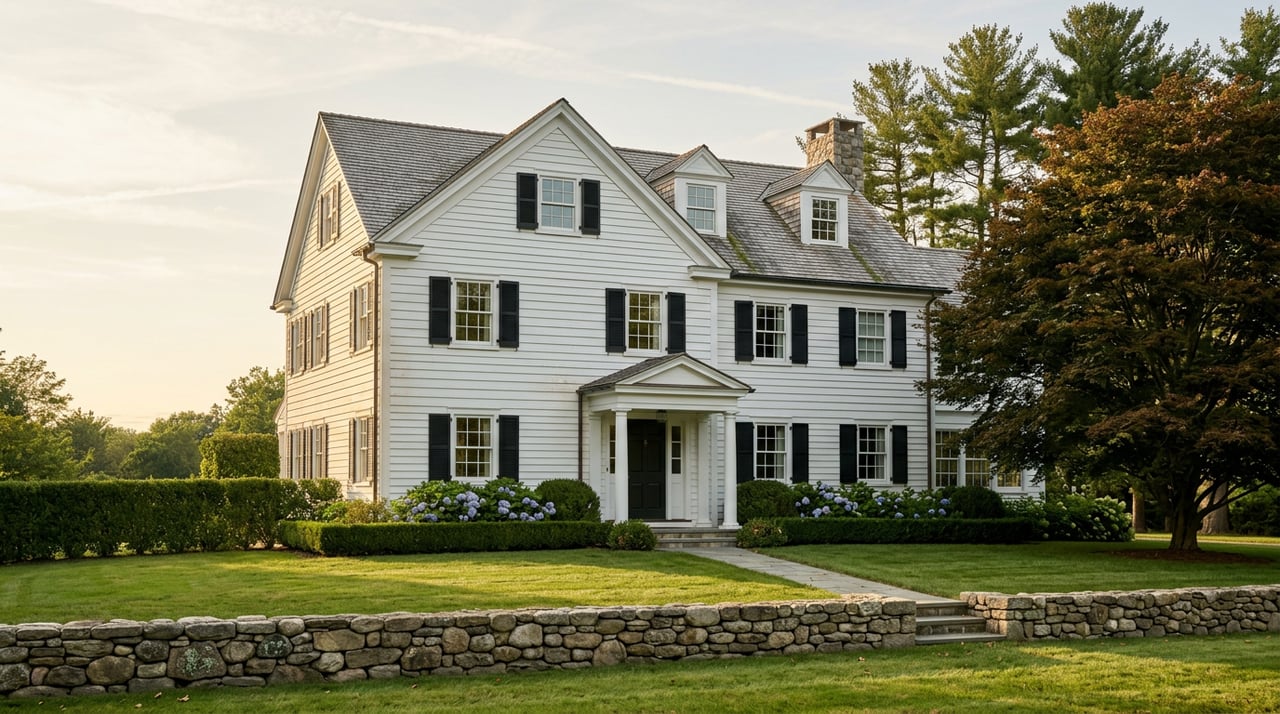
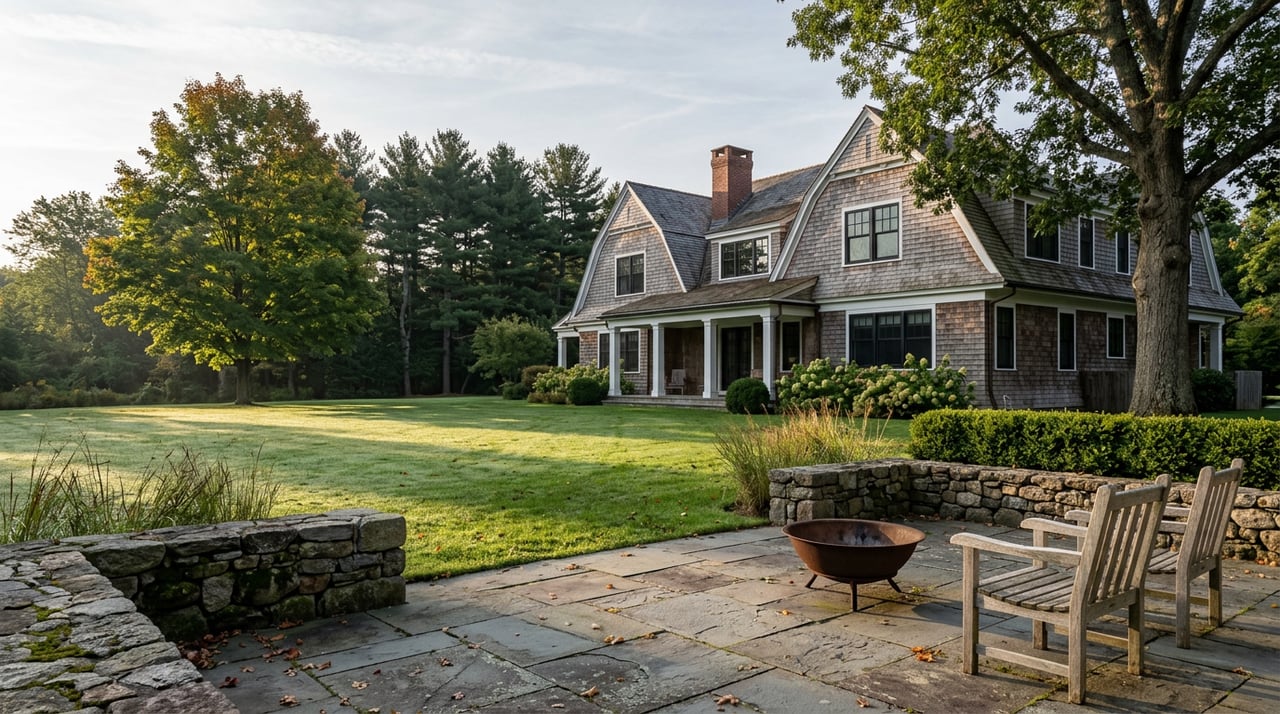
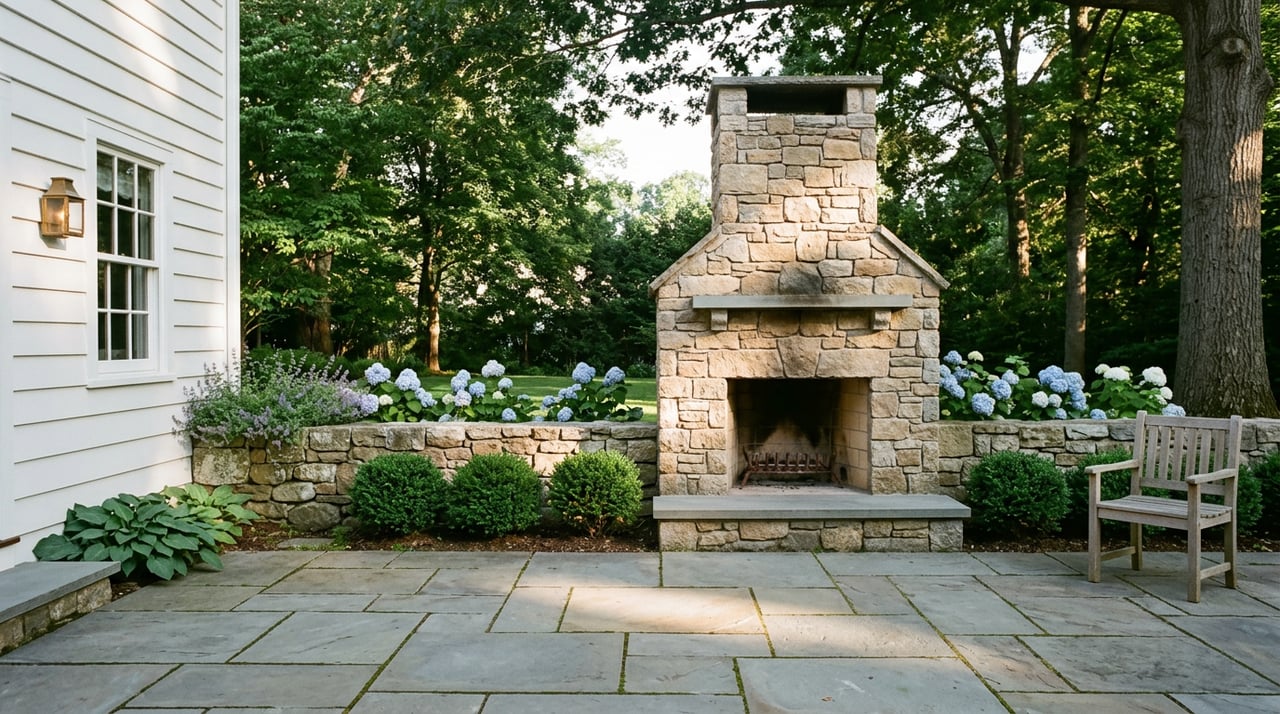
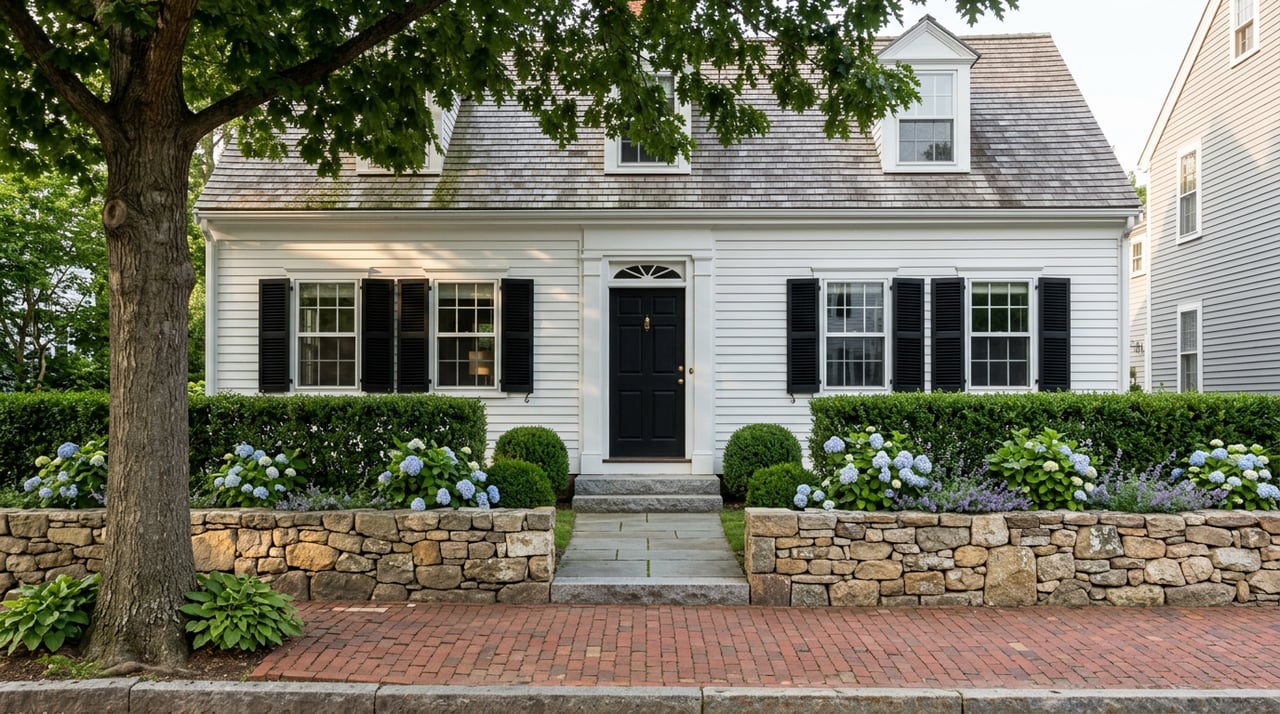
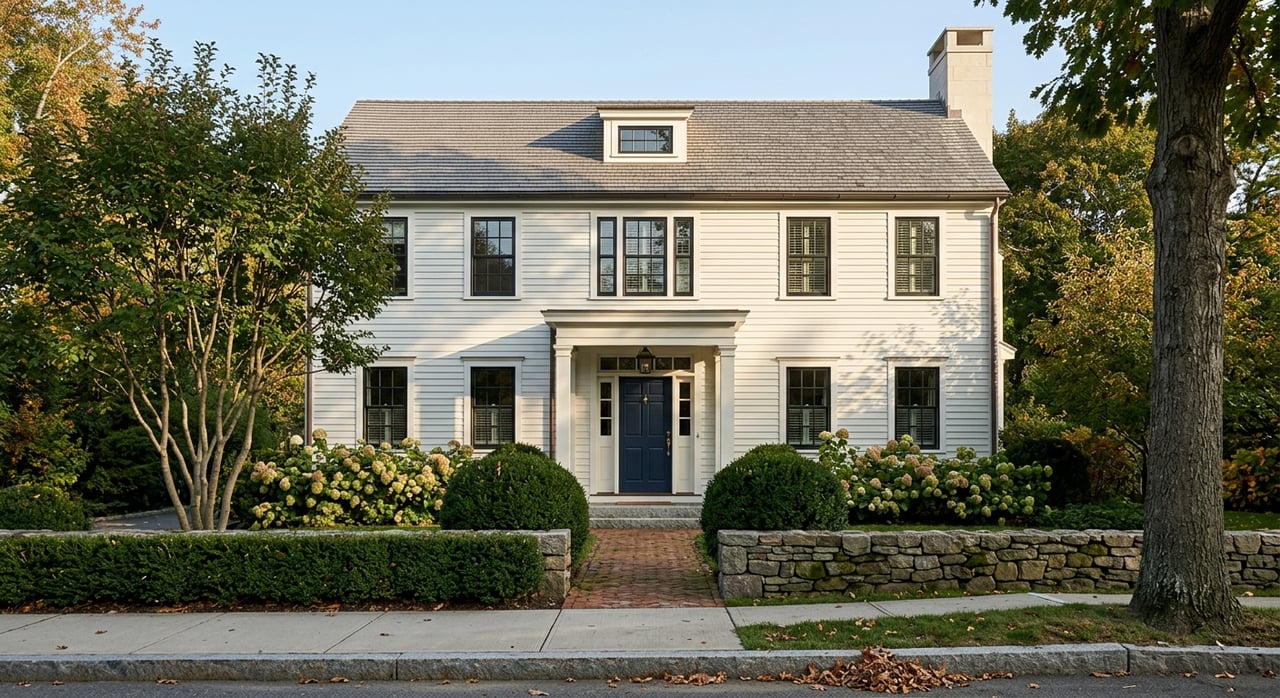
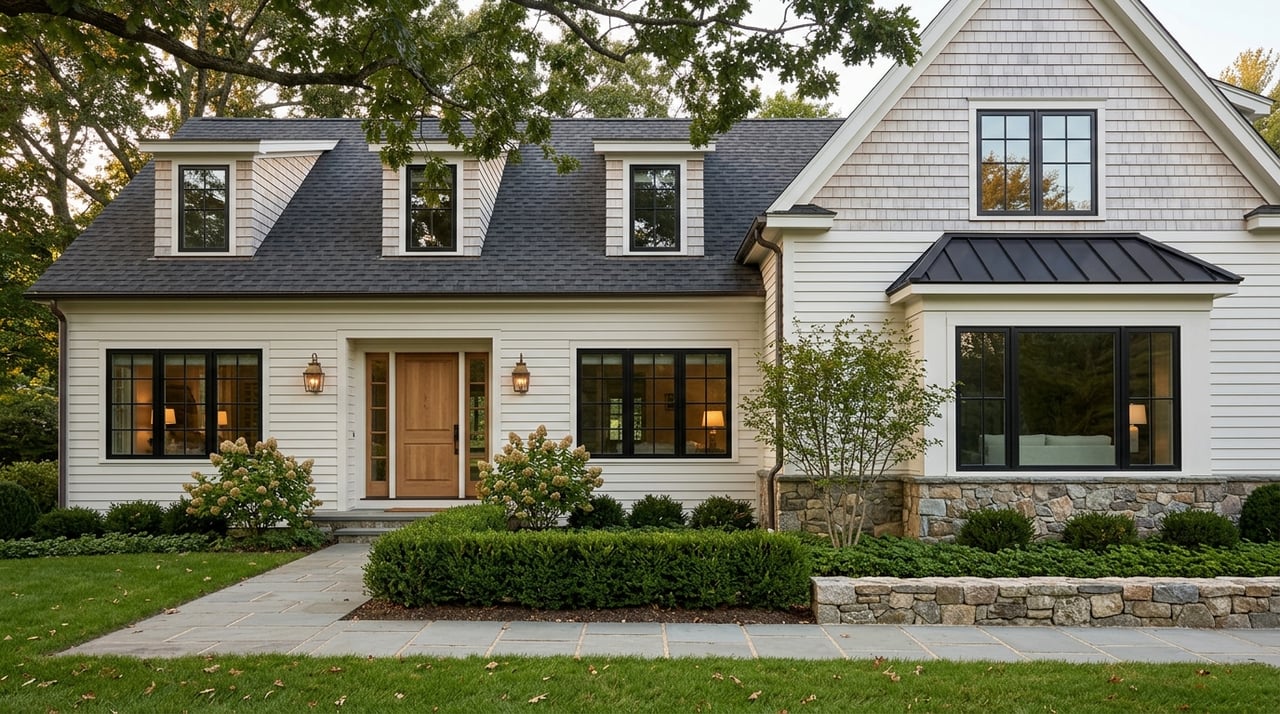
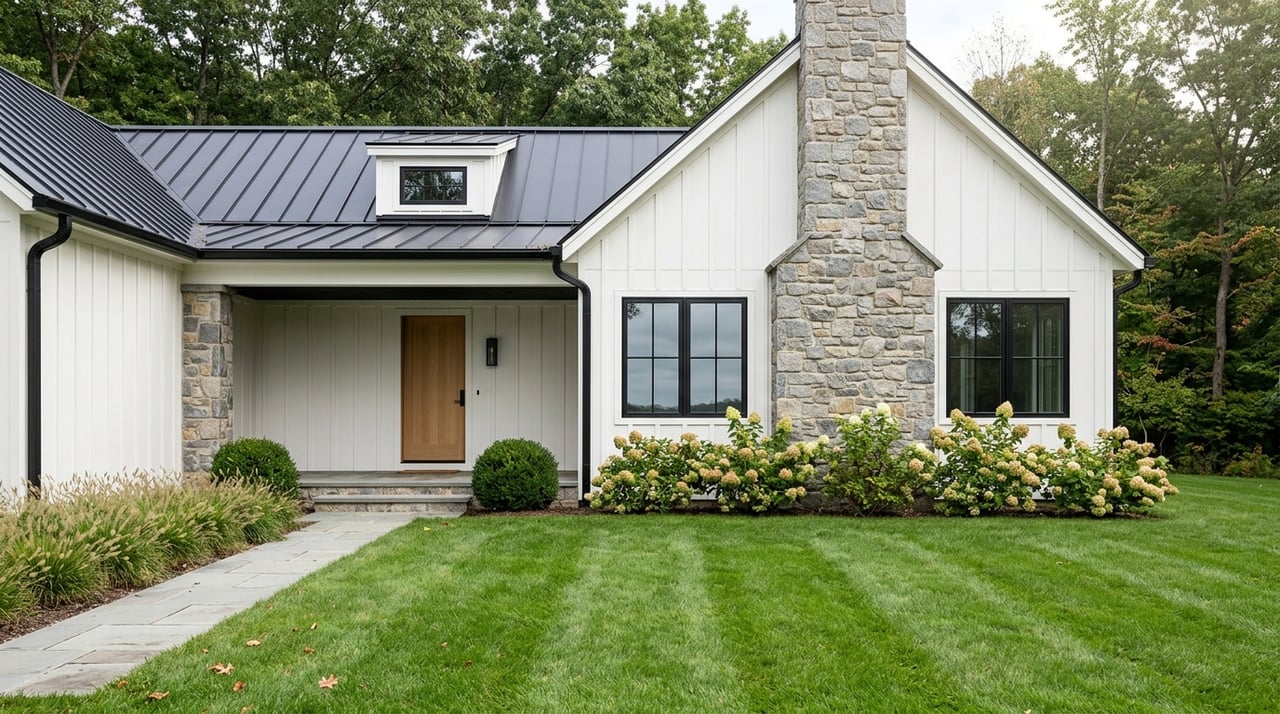
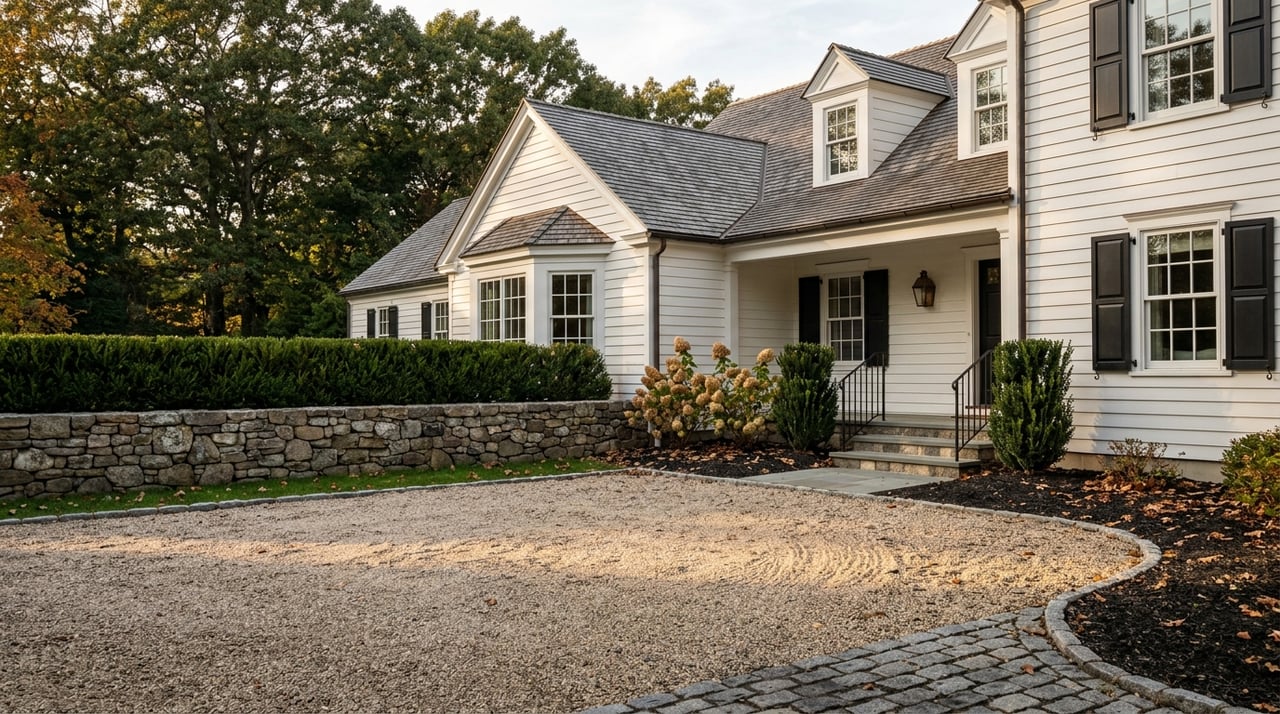
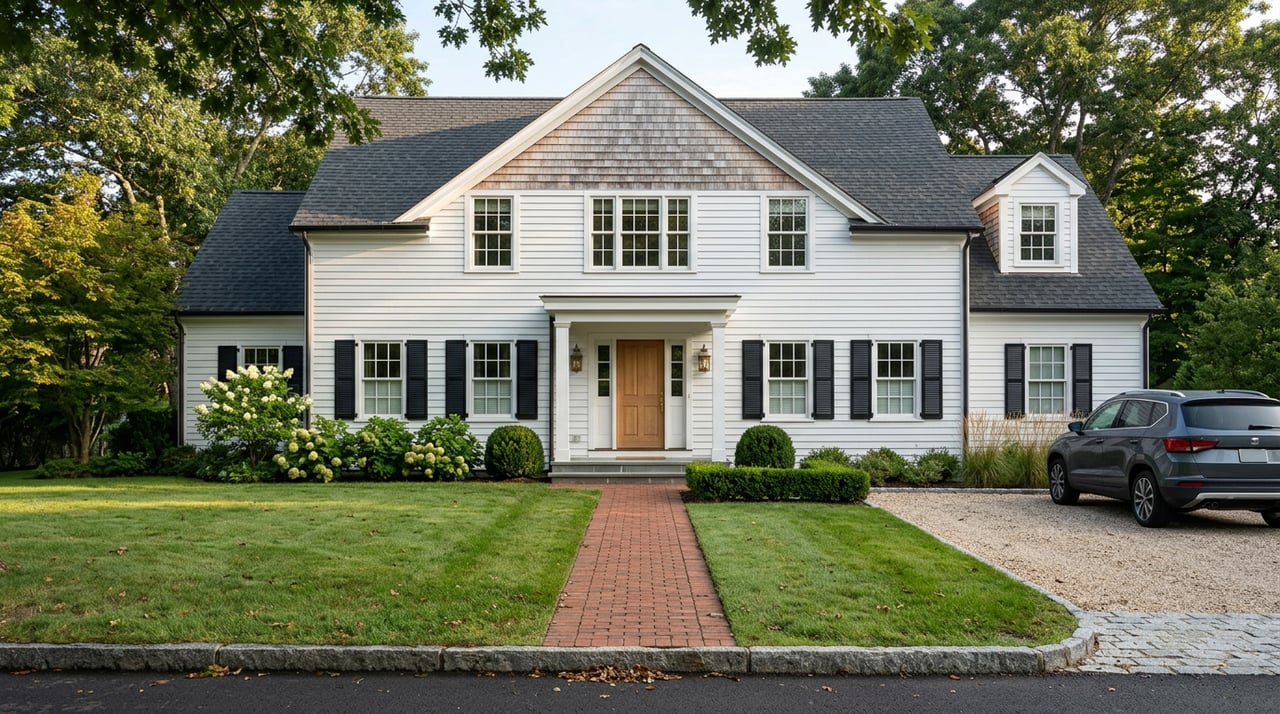
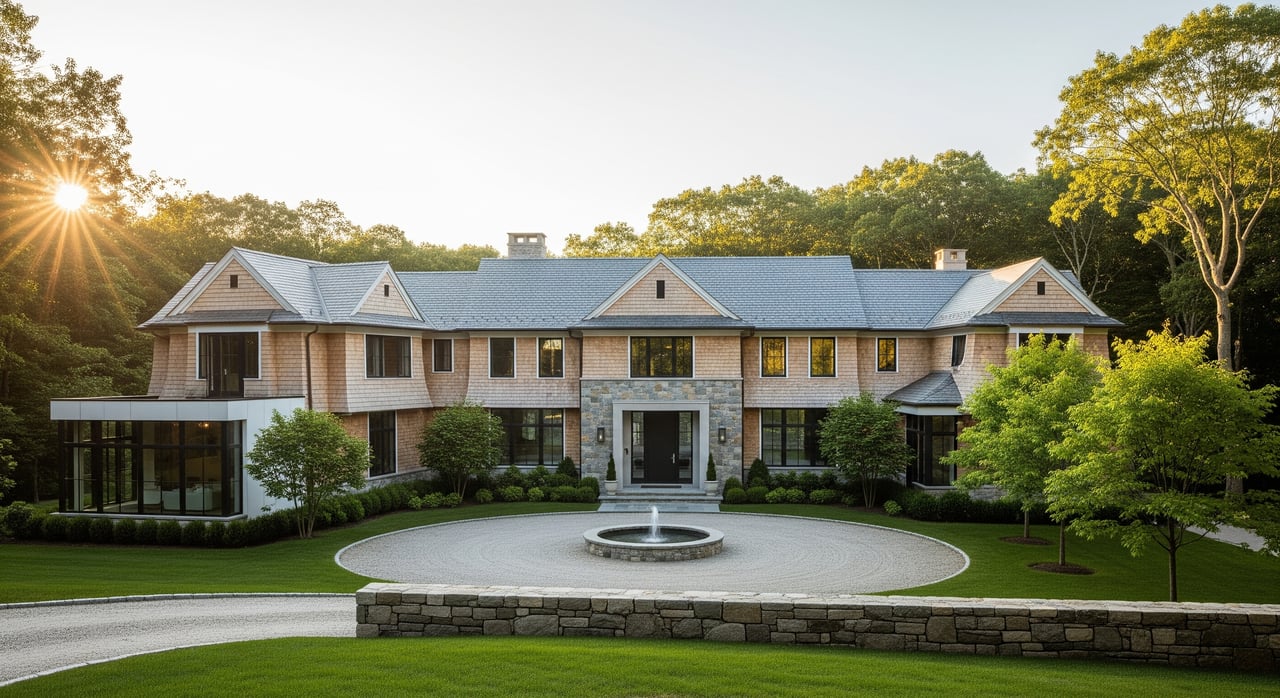
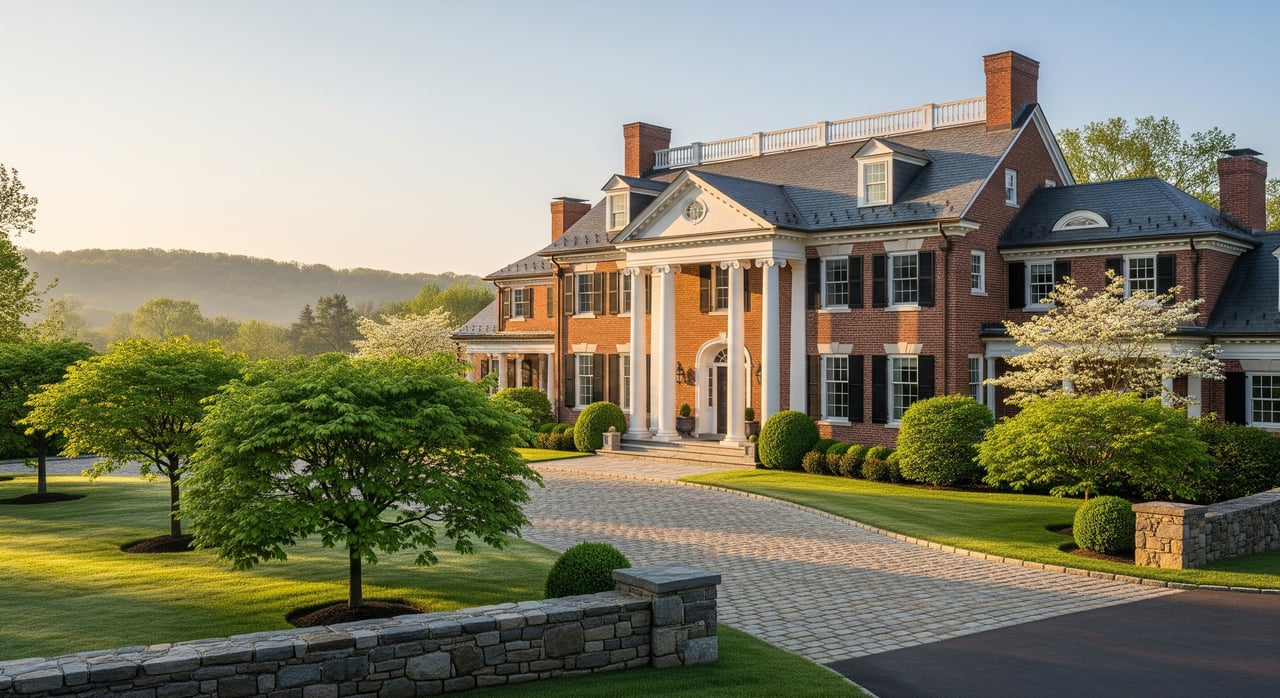
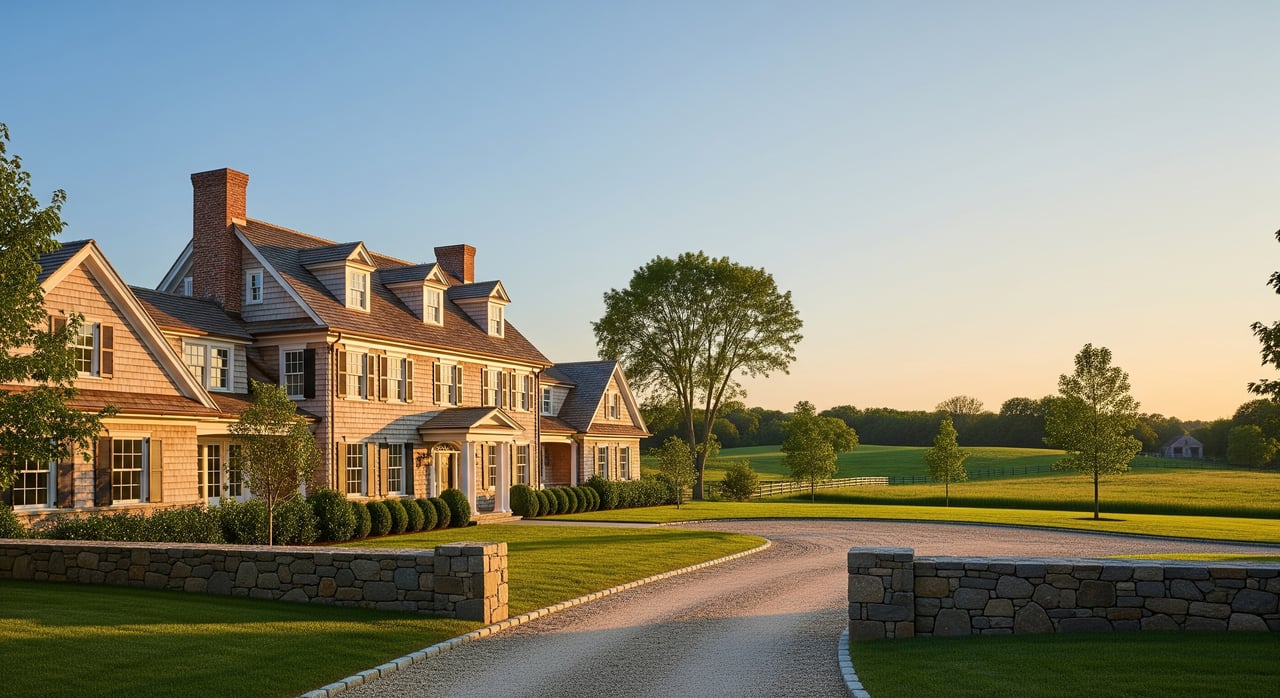
Greenfield Hill has a character that is shaped by land as much as by architecture. Fairfield planning materials describe it as a residential area made up primarily of two-acre wooded lots with large colonial-style homes and substantial public and private open space.
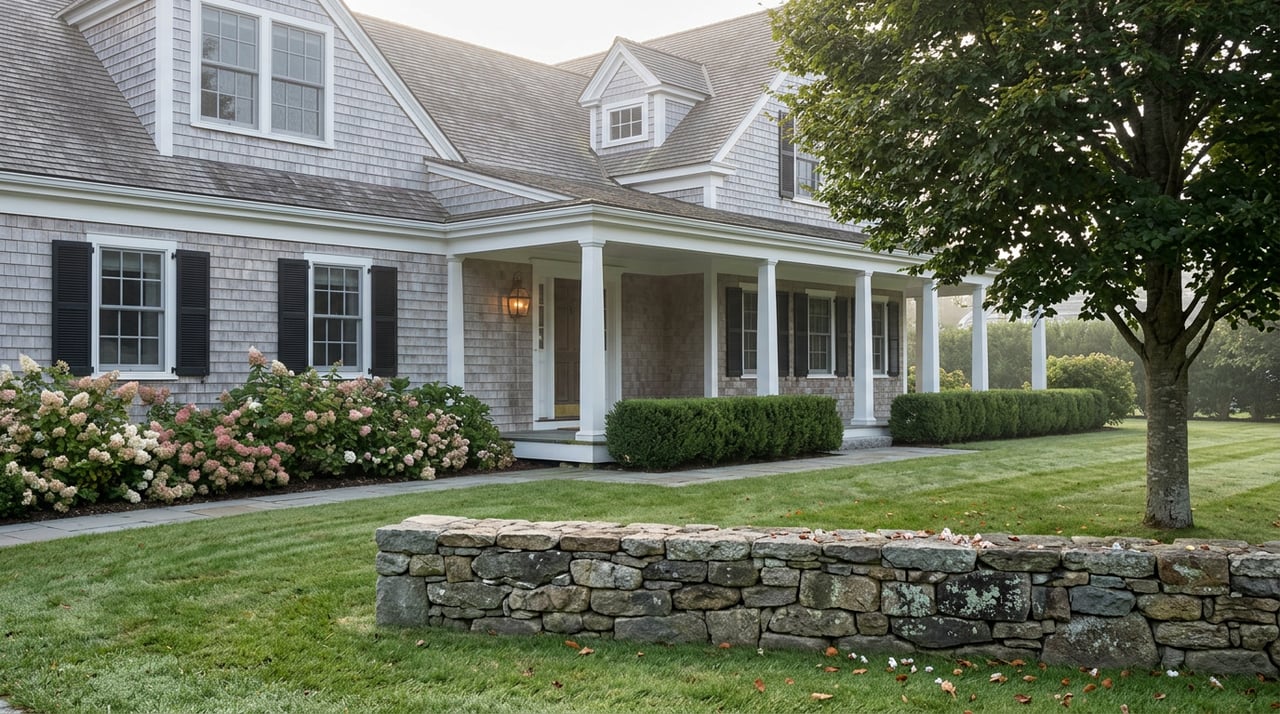
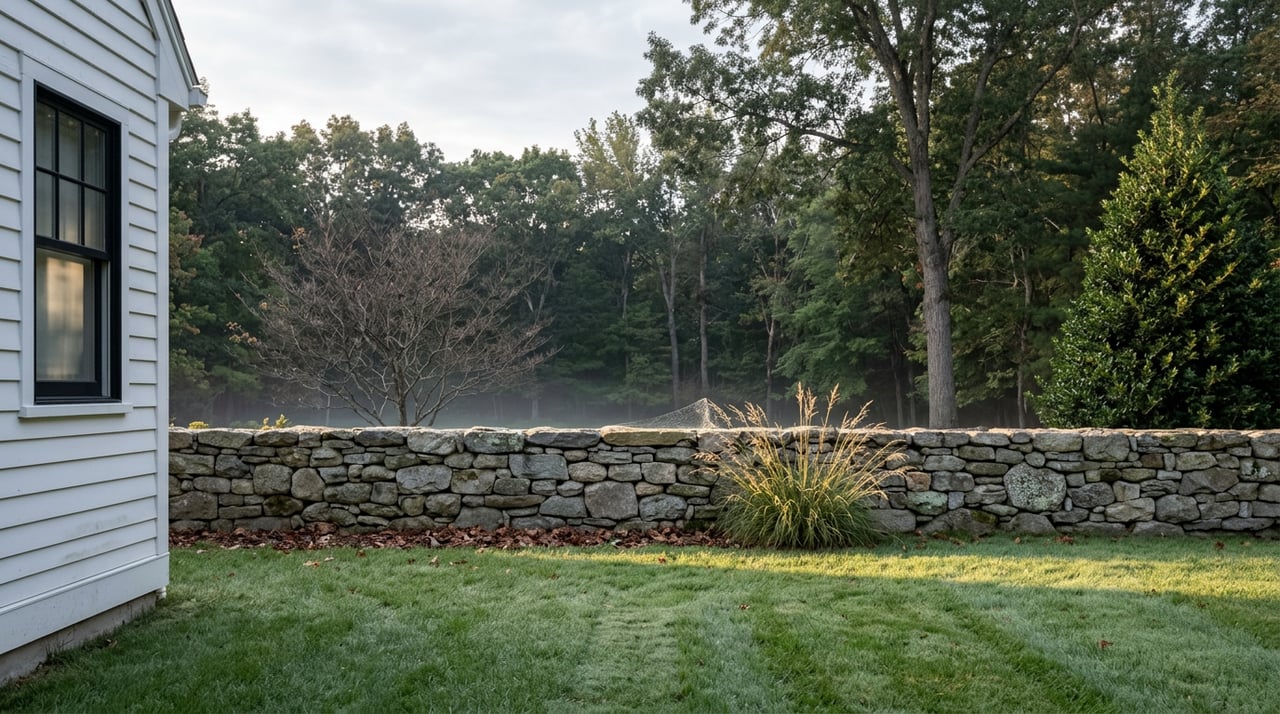
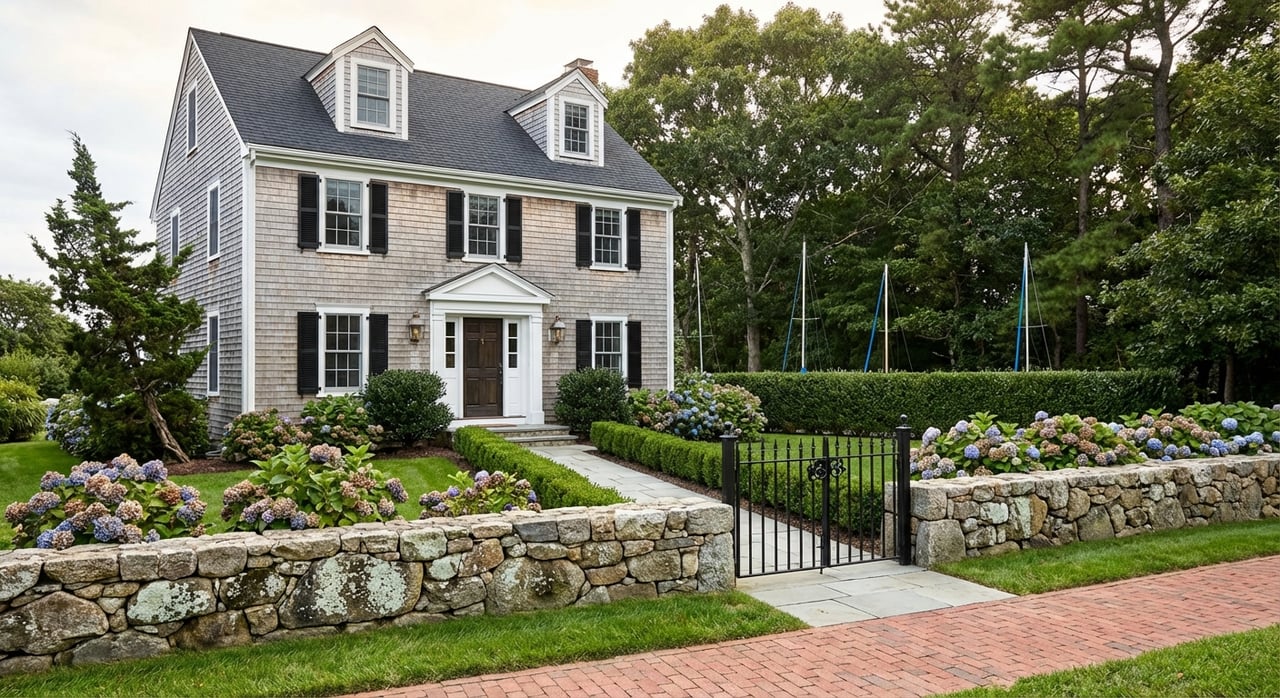
That pattern creates a quieter, more expansive feel. Winding scenic roads, rambling stone walls, and the lack of a Merritt Parkway entrance or exit all contribute to the area’s tucked-away atmosphere.
The town also notes the importance of preserving mature trees with new residential construction. For you as a buyer or homeowner, that helps explain why the landscape often feels established, layered, and intentionally protected.
How Zoning Supports Acreage Living
One of the clearest reasons Greenfield Hill works so well for garden and acreage living is its zoning framework. Fairfield’s AAA residence district sets a two-acre minimum lot size, along with generous frontage and setback requirements.
The district also limits lot coverage to 10% and total floor area to 15%. In simple terms, that means the built footprint is controlled in a way that leaves room for lawns, gardens, wooded edges, and outdoor amenities.
Key AAA District Standards
- Two-acre minimum lot size
- 200-foot minimum lot width and frontage
- 60-foot street setback
- 30-foot side setbacks
- 50-foot rear setback
- 10% maximum lot coverage
- 15% maximum total floor area
These standards help explain why so many properties read as estate sites rather than oversized house lots. You are not just buying square footage indoors. You are often buying breathing room outdoors.
What Garden Buyers Should Know
For anyone dreaming of cutting gardens, kitchen gardens, orchard space, or more ambitious landscape plans, Greenfield Hill has practical appeal. Fairfield’s residence regulations explicitly allow nurseries, truck gardens, farms, and commercial greenhouses in residence districts.
The same regulations also allow certain accessory uses that support a more land-oriented lifestyle. Depending on parcel-specific compliance, that can include private garages, boat storage, noncommercial kennels, and structures for horses, cows, pigs, poultry, and similar uses under applicable setback rules.
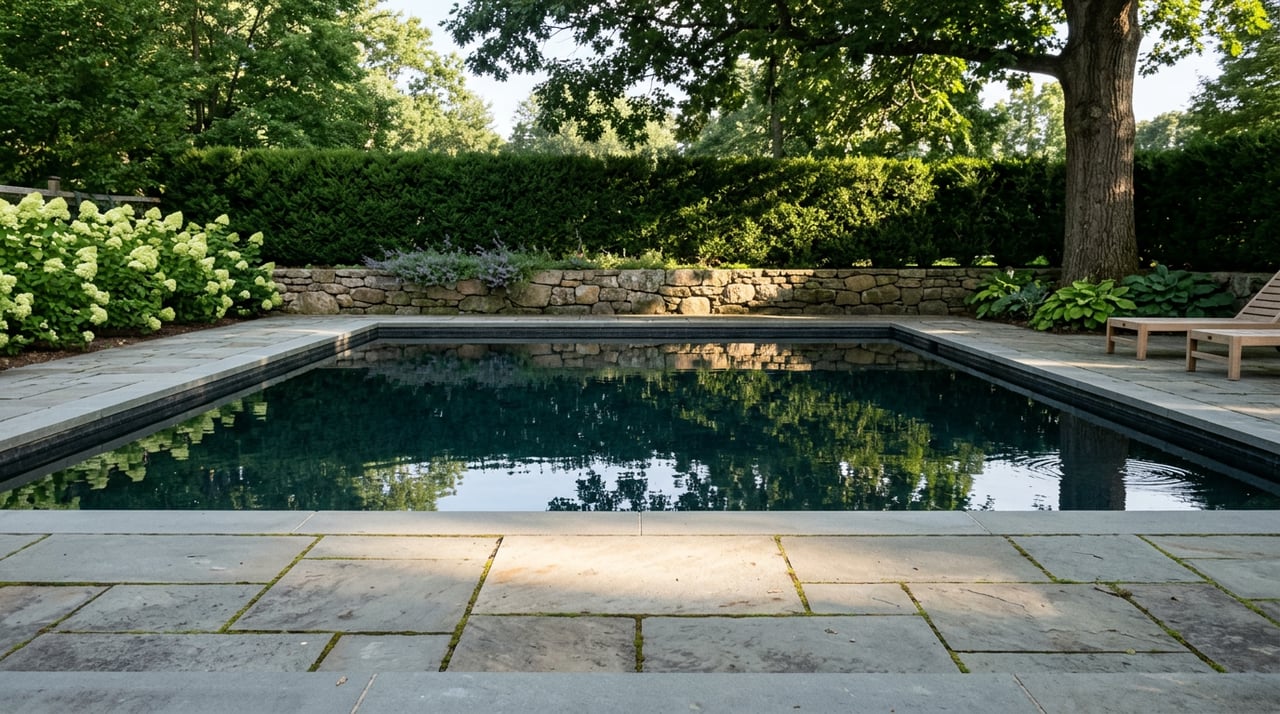
That does not mean every property can accommodate every idea. A pool, tennis court, guest structure, greenhouse, or major garden expansion still depends on the lot’s exact shape, size, setbacks, and any required approvals.
A Smart Way to Evaluate a Property
When you are looking at acreage in Greenfield Hill, it helps to assess more than the house itself. Pay close attention to:
- The usable shape of the lot
- Existing setbacks and siting
- Areas of mature trees and open lawn
- Current accessory structures
- How much of the site is already improved
- Whether your long-term plans may require local review or approvals
For design-minded buyers, this is where careful guidance matters. A property may already be beautifully resolved, or it may offer strong potential for thoughtful enhancements over time.
The Appeal of Estate-Style Grounds
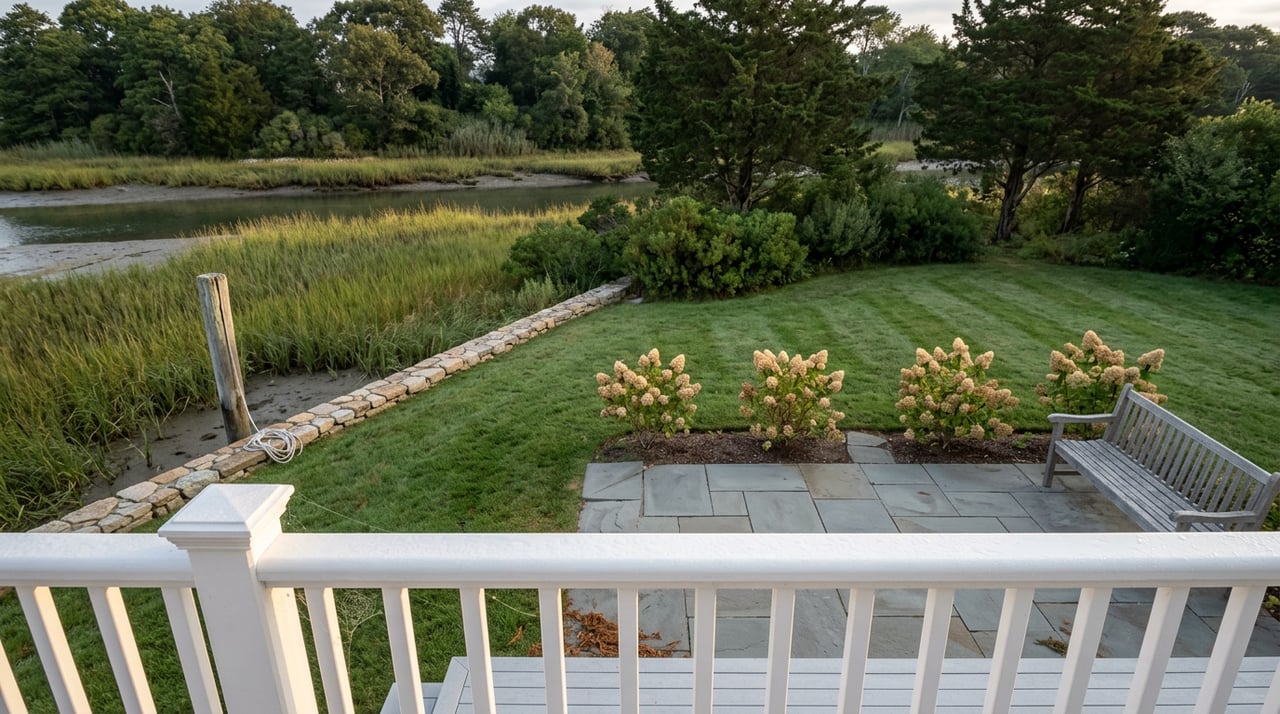
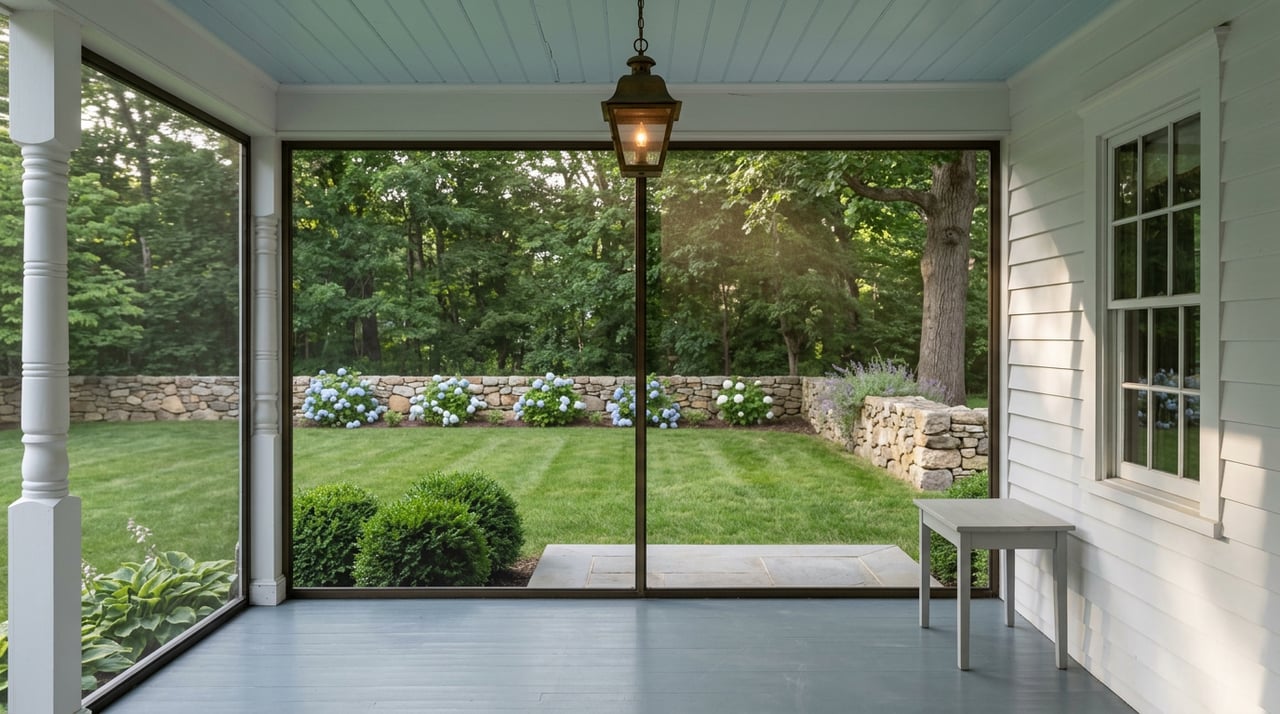
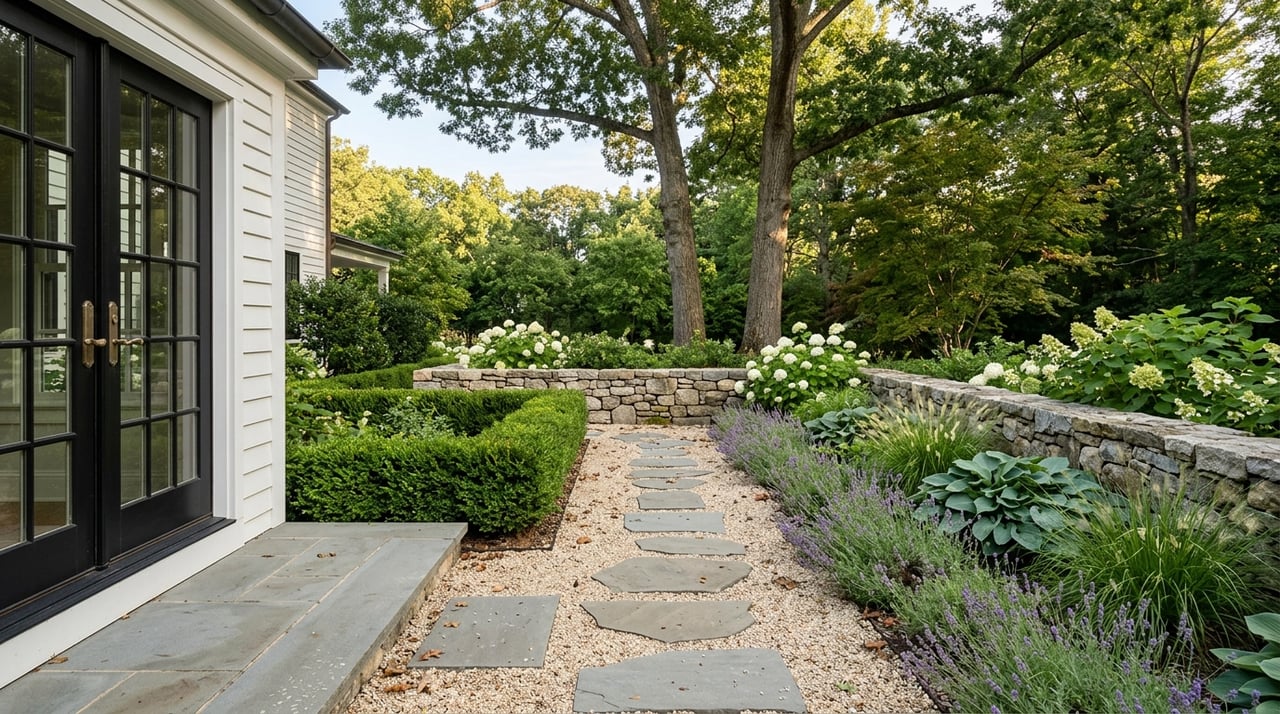
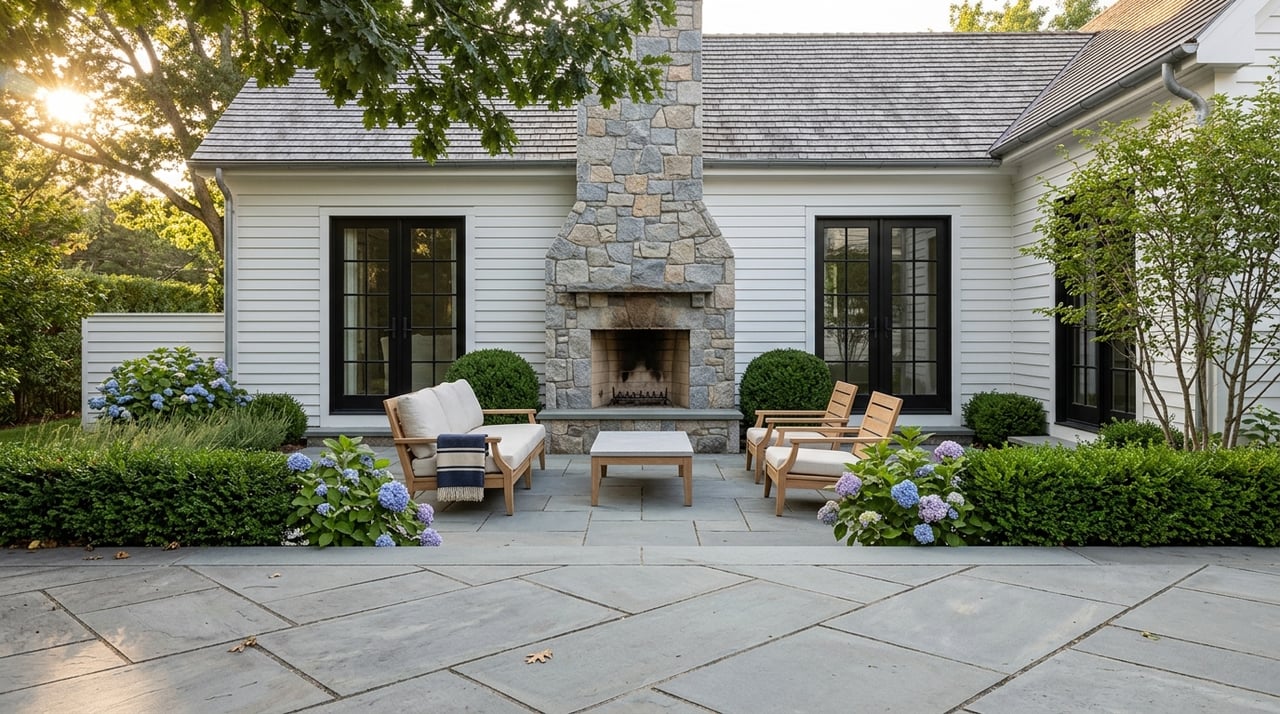
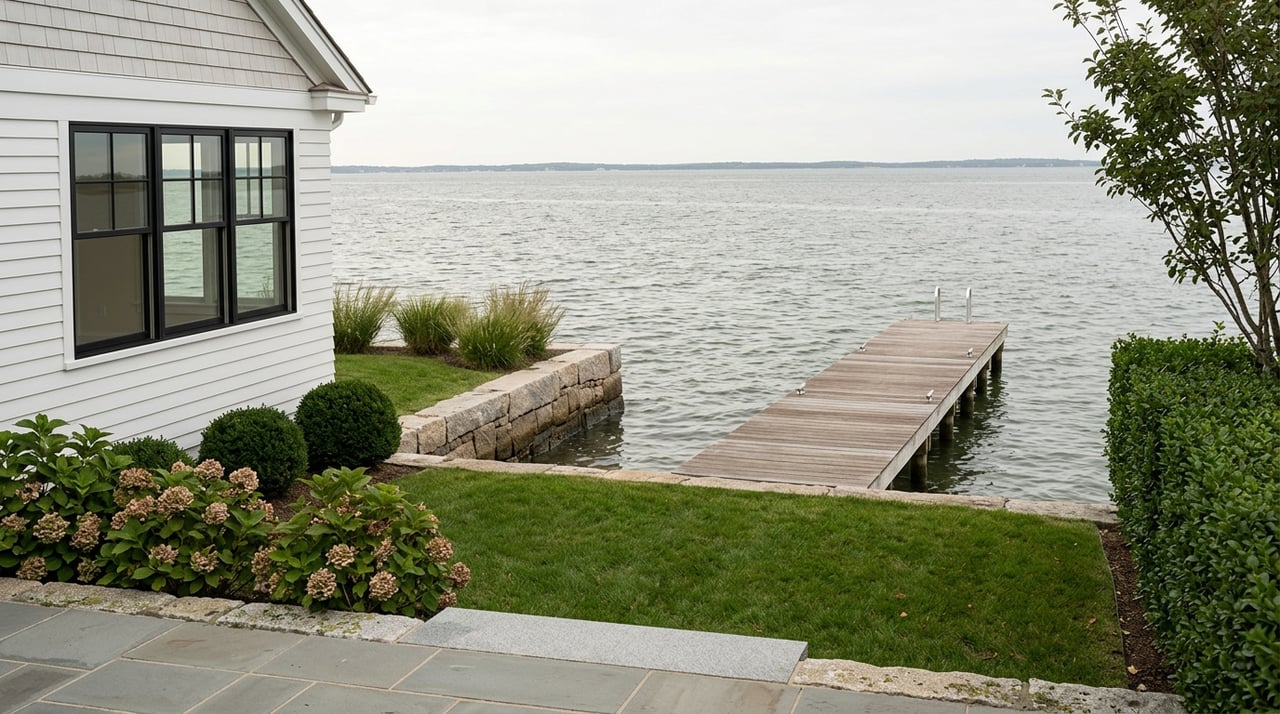
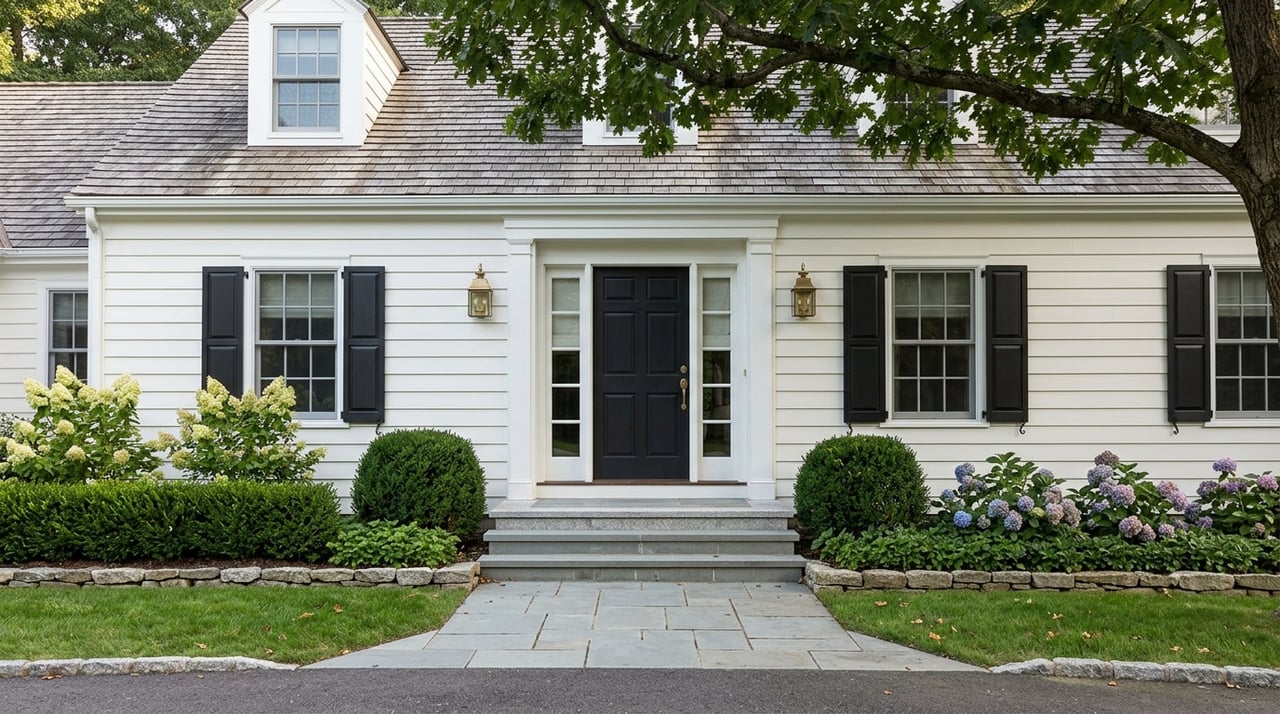
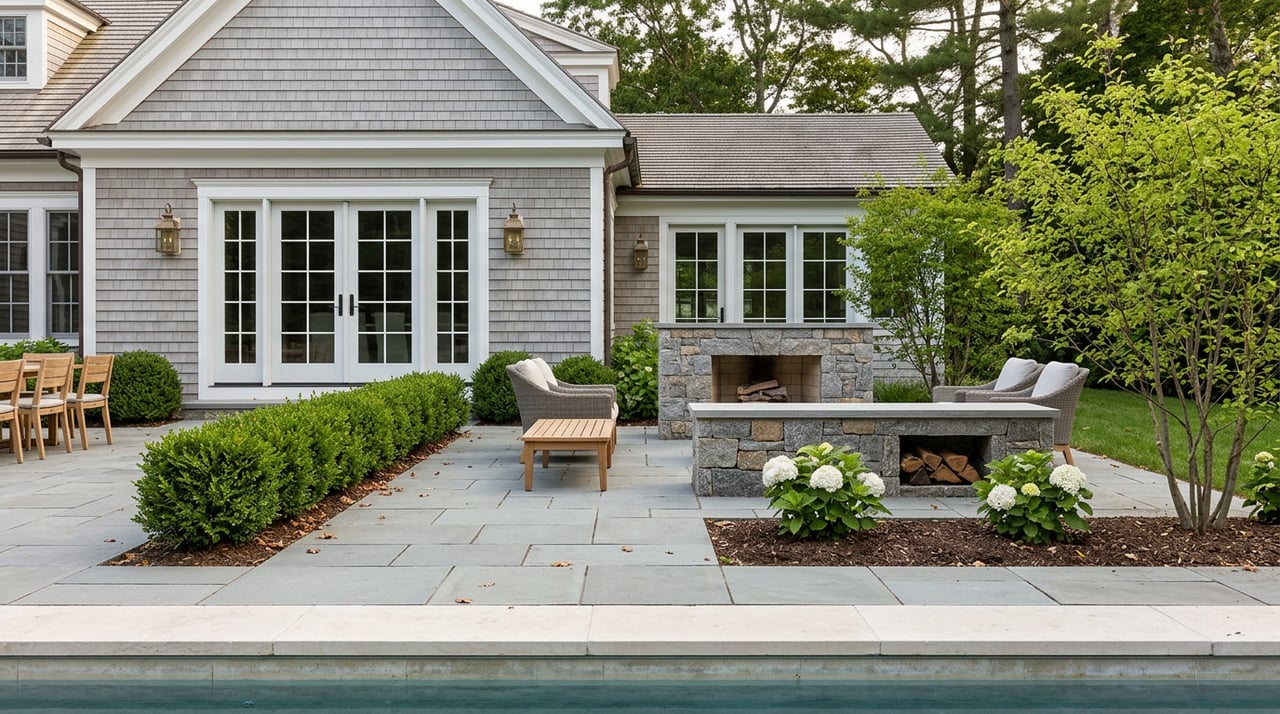
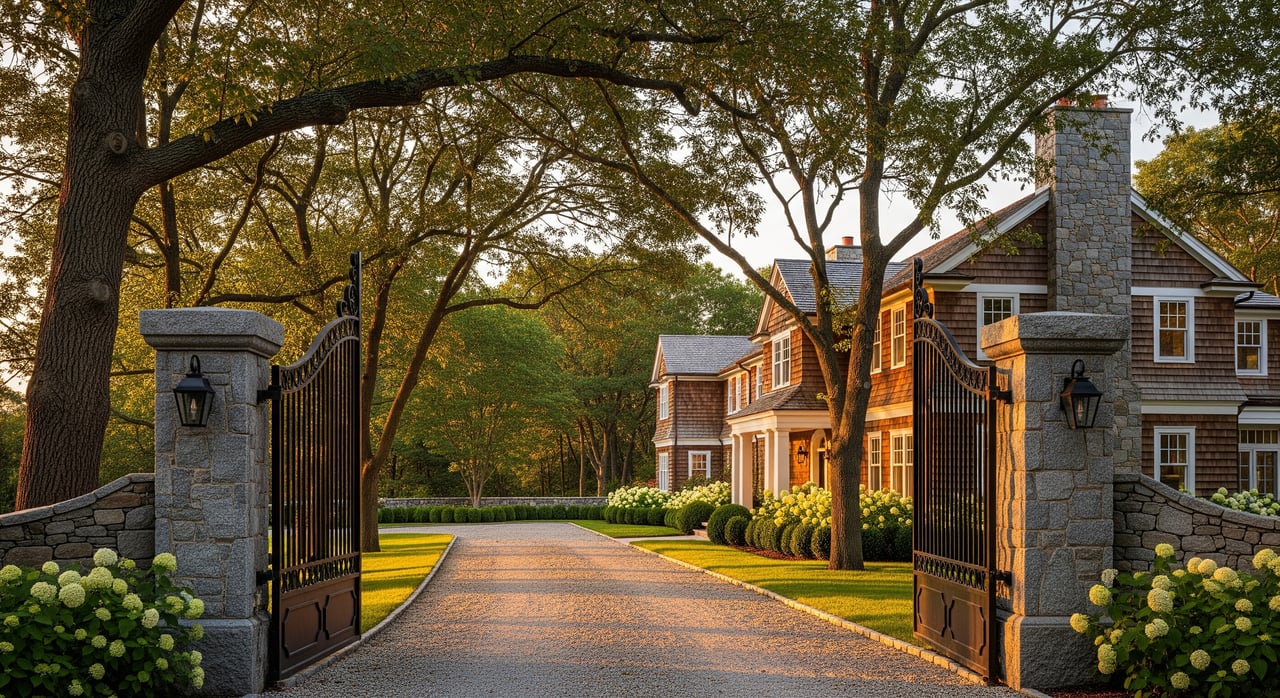
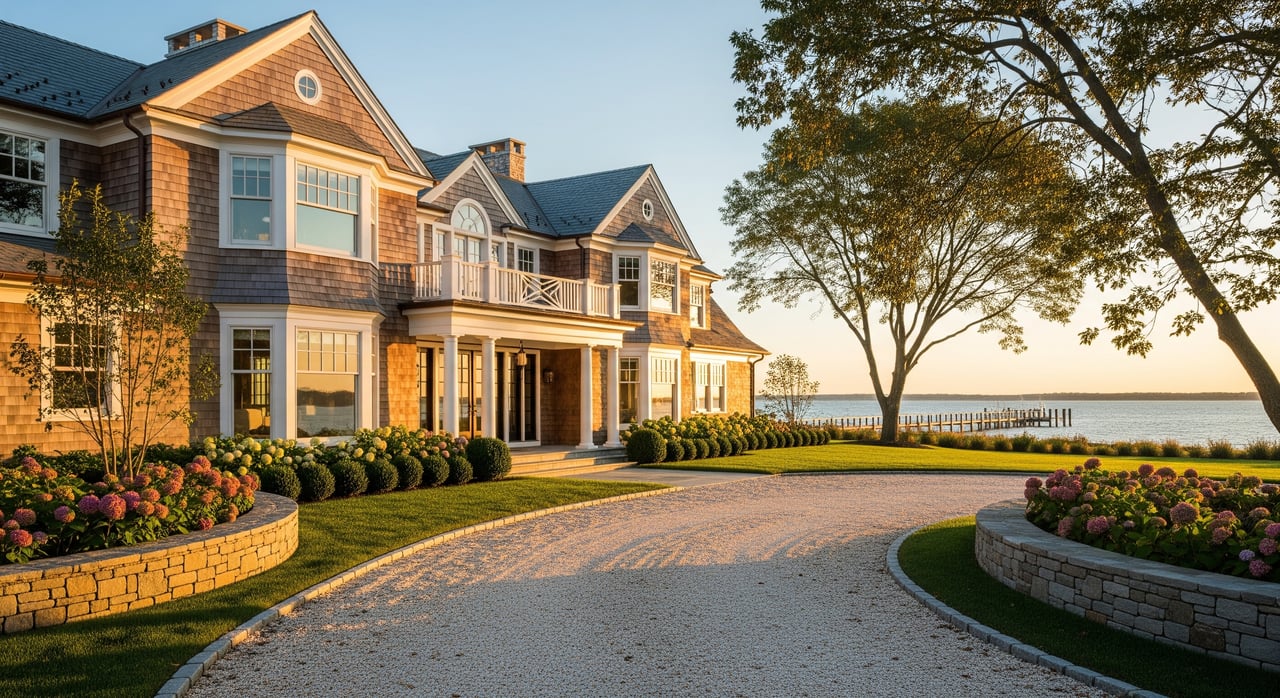
Greenfield Hill’s zoning and landscape pattern create the conditions for a very specific kind of ownership experience. Instead of a conventional backyard, many homes offer a layered setting with approach, frontage, lawn, garden rooms, woodland edges, and private outdoor living areas.
That distinction matters in the market. Buyers who are searching for privacy, presence, and outdoor beauty often respond to properties where the land feels curated rather than merely large.
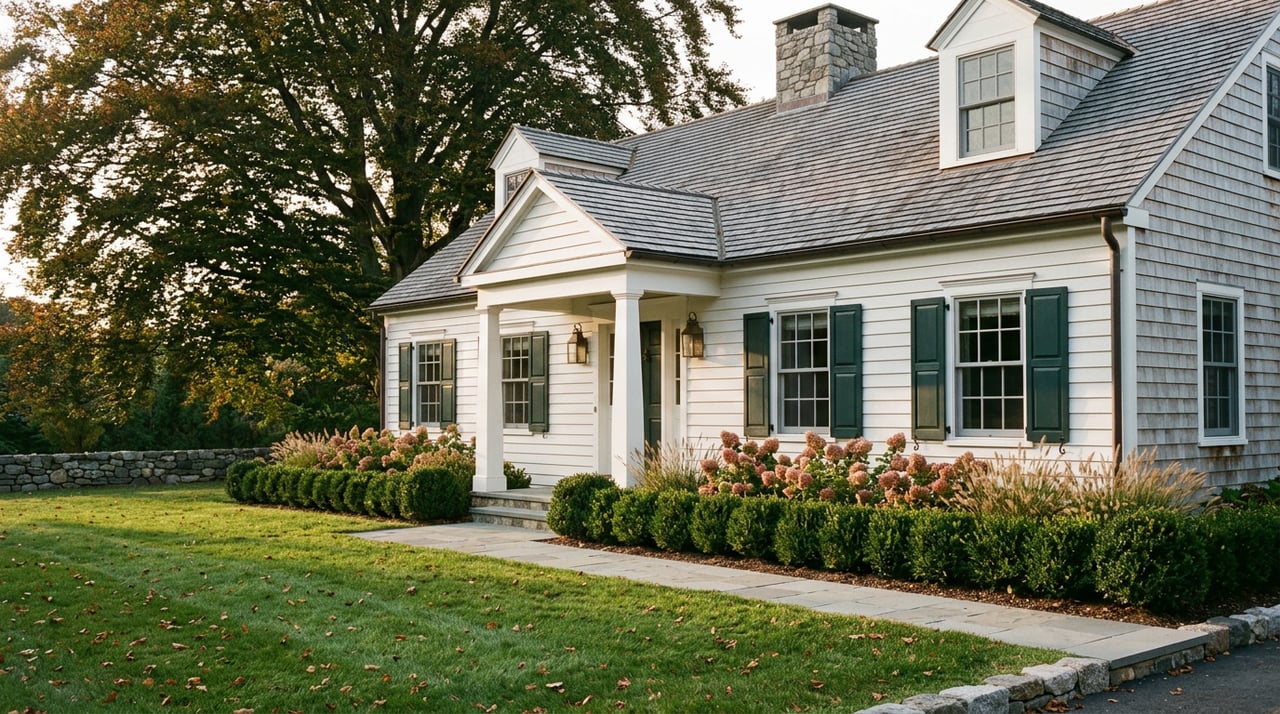
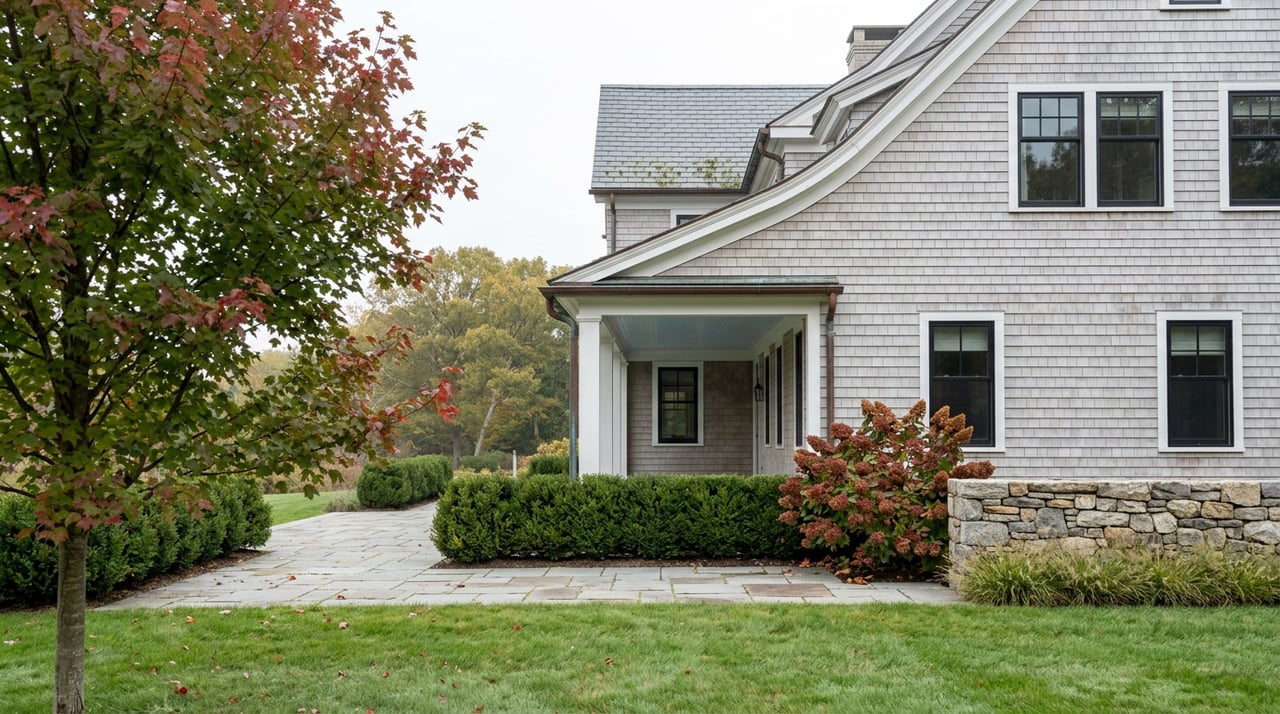
For sellers, this means presentation matters beyond the front door. Mature plantings, stone walls, axial views, outdoor entertaining areas, and the relationship between house and grounds can be central to the story of the property.
Historic Character Adds Depth
Greenfield Hill is not just spacious. It also carries a strong sense of history. Fairfield’s Historic District Commission handbook states that the Greenfield Hill Historic District was formed in 1967 and centers on the village green, Meeting House Lane, Hillside Road, Old Academy Road, Bronson Road, and the Greenfield Hill Congregational Church.
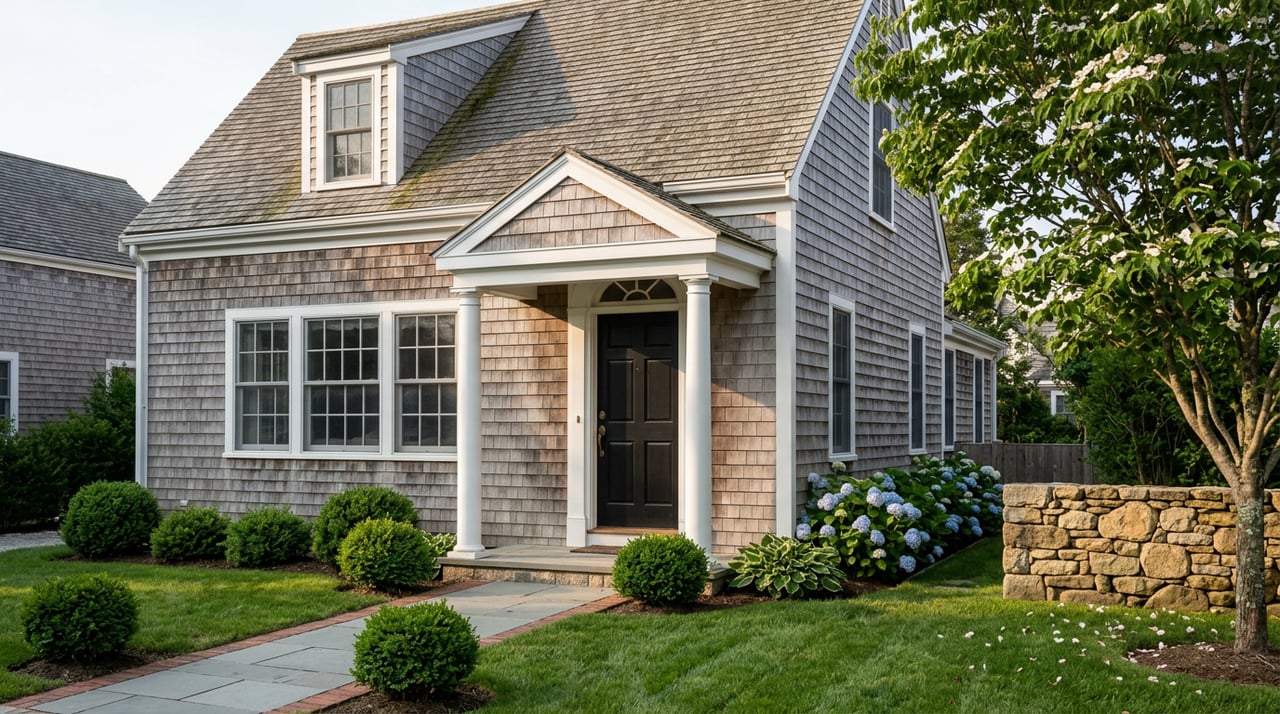
The same handbook notes that the church, established in 1725, has been at the center of community life for almost 300 years. It also describes the district as having Fairfield’s largest concentration of pre-Revolutionary War dwellings, many of which retain original features.
This gives the area a depth that goes beyond curb appeal. The village core and surrounding roads reflect continuity, preservation, and a longstanding respect for place.
Why Preservation Matters
If you are considering a home within the historic district, exterior changes may require consultation with the Historic District Commission. That local review helps preserve the streetscape and the district’s historic feel.
For buyers, that means renovation plans should be evaluated with care early in the process. For sellers, it can be helpful to understand how preservation context contributes to the value and identity of the property.
A Garden Culture That Feels Authentic
Greenfield Hill’s connection to gardening is not just theoretical. It shows up in both community traditions and local businesses.
The annual Dogwood Festival includes a plant boutique with annuals, perennials, herbs, potted plants, and hanging baskets, along with guided history walks and other activities. That combination of horticulture and heritage speaks to the area’s broader identity.
Fairfield’s tourism information also lists local businesses in Greenfield Hill that align naturally with this lifestyle, including Outdoor Design & Living, Native Plant Nursery, Little River Farm, Lexington Home and Garden, Corner Market & Sandwich Shop, BE Chocolat, and Greenfield Hill Wines & Spirits.
For you, that means daily life can feel both practical and pleasant. The village setting supports a garden-centered way of living without feeling remote or disconnected.
Convenience Without Losing Privacy
One of Greenfield Hill’s strongest qualities is balance. It feels serene and secluded, yet Fairfield’s wider amenity network remains accessible.
Fairfield’s tourism materials position Greenfield Hill as a village setting where shopping, dining, and arts and culture are part of everyday life rather than a separate trip into town. For broader options, Downtown Fairfield offers boutiques, restaurants and cafés, galleries, theaters, and year-round events.
Southport Village adds another layer with boutiques, dining, arts and culture, historic architecture, and a scenic harbor setting. This gives Greenfield Hill homeowners access to variety while preserving the neighborhood’s more private tone.
Nature Is Part of Daily Life
For outdoor-minded buyers, Greenfield Hill also benefits from nearby natural assets. The Connecticut Audubon Society’s Fairfield Nature Center and Larsen Sanctuary offers 155 acres, seven miles of trails, mixed hardwood forest, shrub habitat, ponds, wetlands, and a pollinator garden.
That nearby access reinforces a lifestyle rooted in landscape and seasonality. Whether you enjoy walking trails, observing native plantings, or simply living near preserved open space, the setting supports a closer connection to the land.
What Buyers and Sellers Should Keep in Mind
If you are buying in Greenfield Hill, it helps to think in terms of total property experience. The value often lies in the combination of scale, privacy, zoning compatibility, historic context, and outdoor potential.
If you are selling, those same qualities should be presented with clarity and restraint. Buyers in this segment tend to notice site planning, architectural fit, mature landscaping, and how the home relates to its surroundings.
In a market where exceptional properties compete on nuance, Greenfield Hill offers a distinct proposition. It is a place where acreage is not just extra land, but part of a lifestyle shaped by beauty, stewardship, and space.
For buyers seeking a refined country feel within Fairfield, or for owners considering how best to position a special property, Greenfield Hill deserves a thoughtful look. If you are considering a move in Fairfield County and want experienced, design-aware guidance, Emily Gordon offers a polished, highly personal approach.
FAQs
What makes Greenfield Hill different from other Fairfield areas?
- Greenfield Hill is defined by primarily two-acre wooded lots, scenic roads, stone walls, large homes, and a more secluded feel shaped in part by the lack of direct Merritt Parkway access.
What zoning supports garden living in Greenfield Hill?
- Fairfield’s AAA residence district uses a two-acre minimum lot size, generous setbacks, and low lot-coverage limits, and local regulations explicitly allow uses such as nurseries, truck gardens, farms, and commercial greenhouses in residence districts.
What should buyers know about historic homes in Greenfield Hill?
- In the Greenfield Hill Historic District, exterior changes may require consultation with the Historic District Commission, so buyers considering renovations should review that context early.
What amenities are near Greenfield Hill in Fairfield?
- Greenfield Hill includes village-scale shopping and lifestyle businesses, while Downtown Fairfield and Southport Village offer additional dining, boutiques, arts and culture, and everyday convenience.
What outdoor attractions are near Greenfield Hill?
- The Connecticut Audubon Society’s Fairfield Nature Center and Larsen Sanctuary nearby offers 155 acres, seven miles of trails, ponds, wetlands, mixed forest habitat, and a pollinator garden.