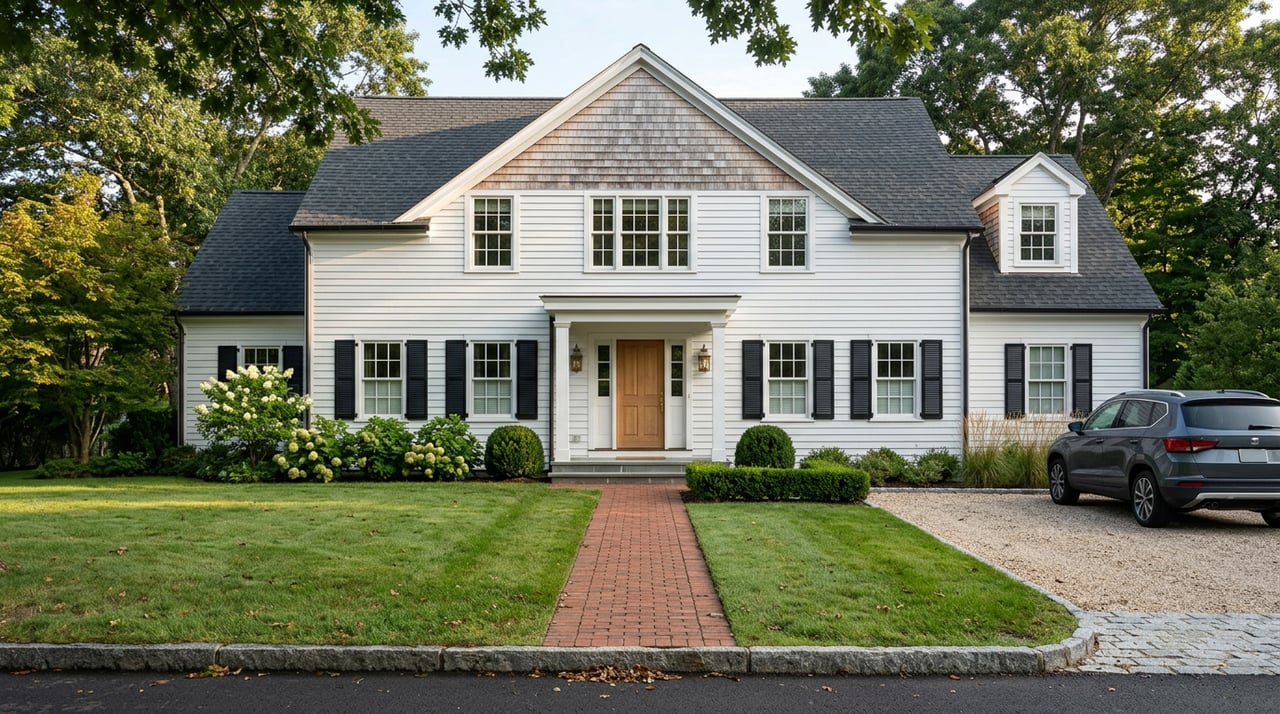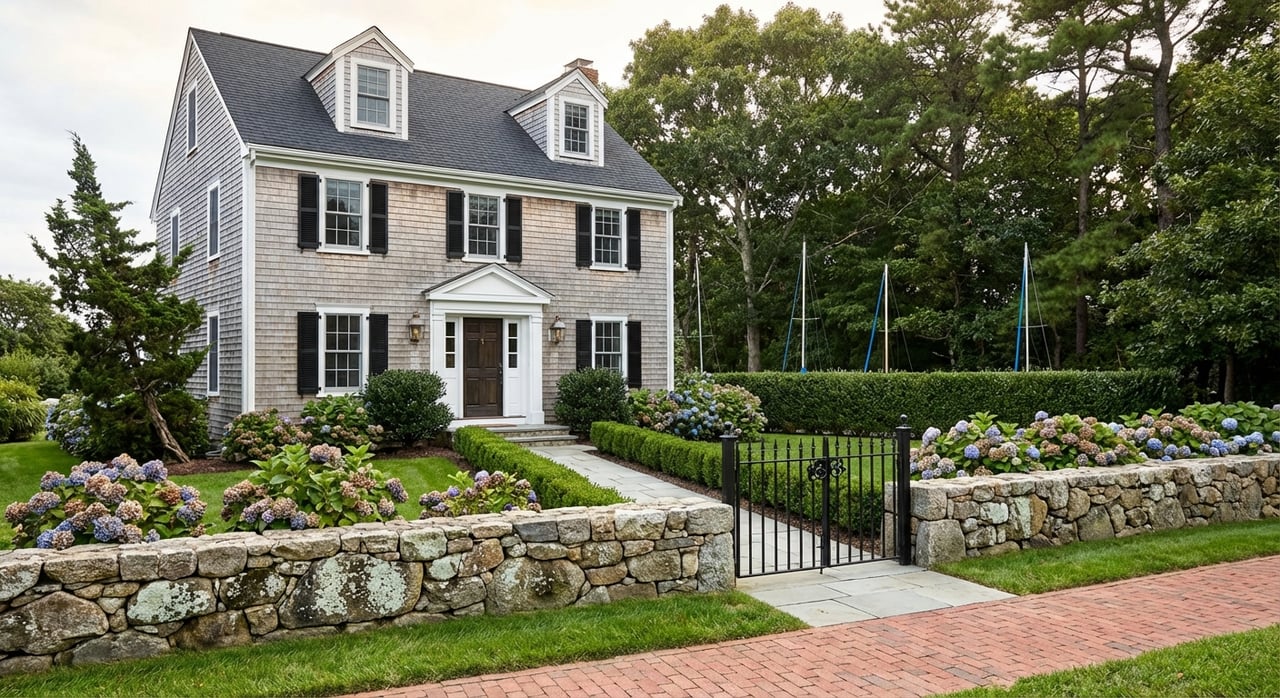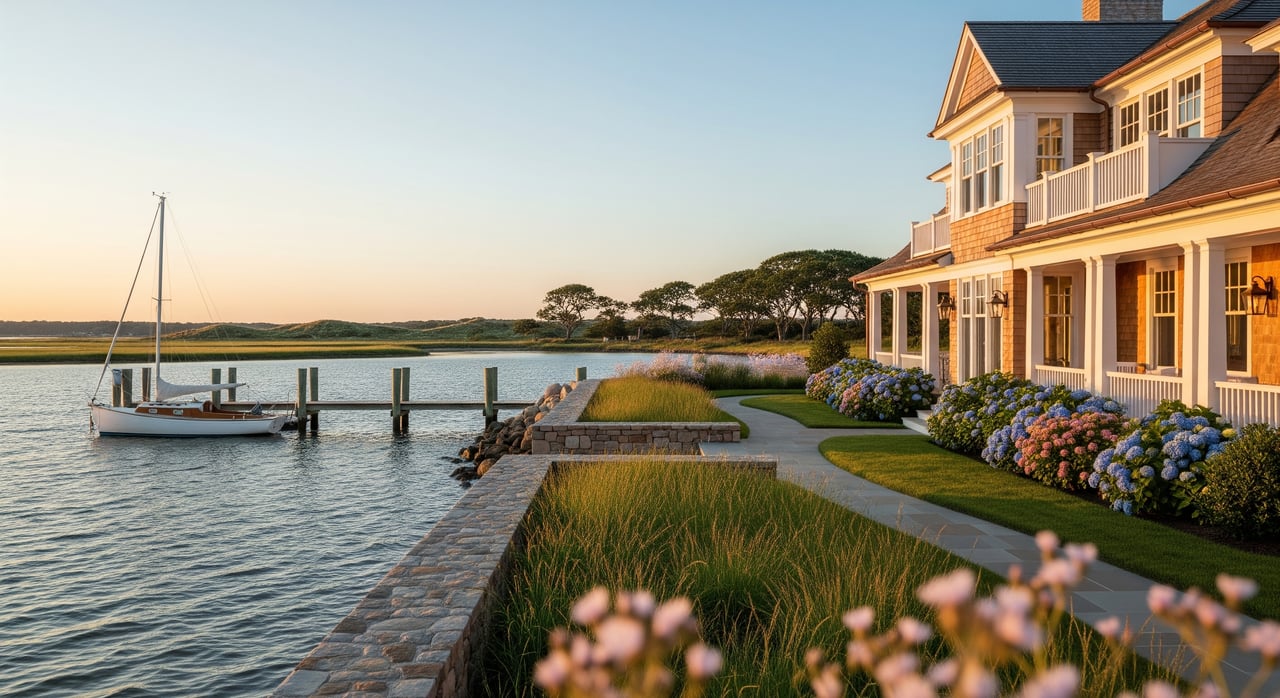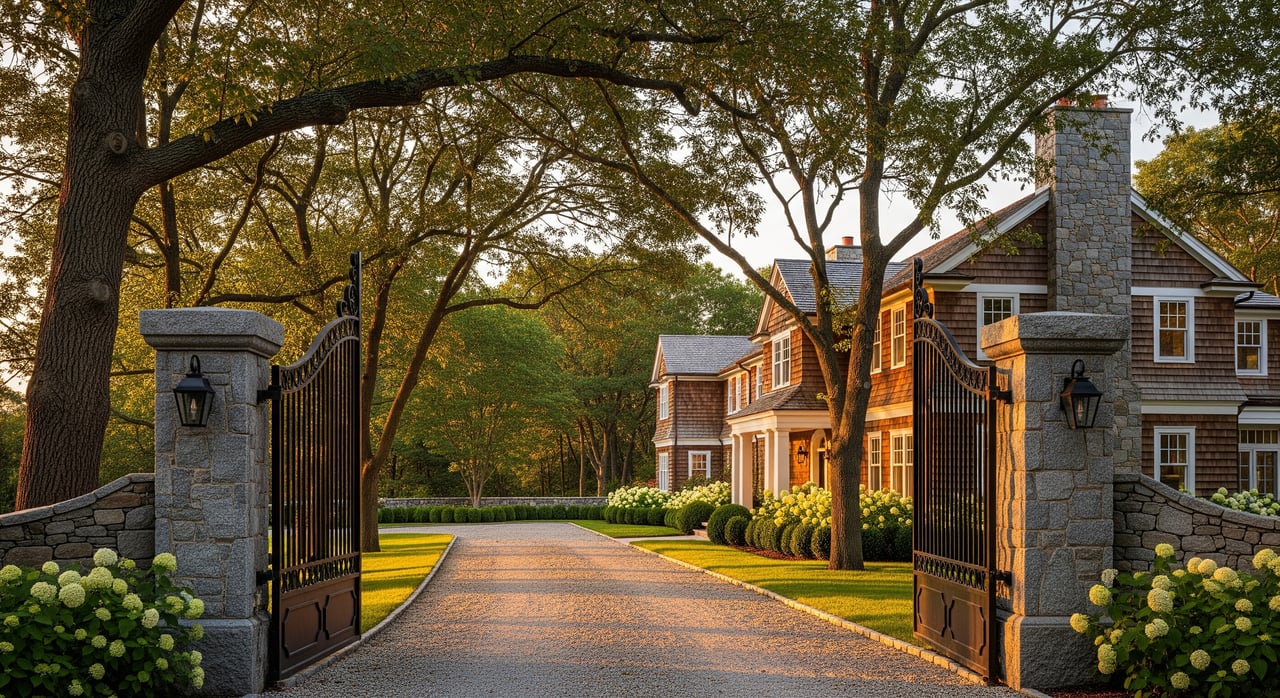
If you are drawn to privacy, open land, and a quieter visual pace, Weston offers a very specific kind of daily life. This is not a town built around a bustling downtown or constant convenience. Instead, your routine tends to follow the landscape, the school campus, and the roads that connect them. Let’s take a closer look at what pastoral living in Weston really feels like from one day to the next.
Why Weston Feels Pastoral
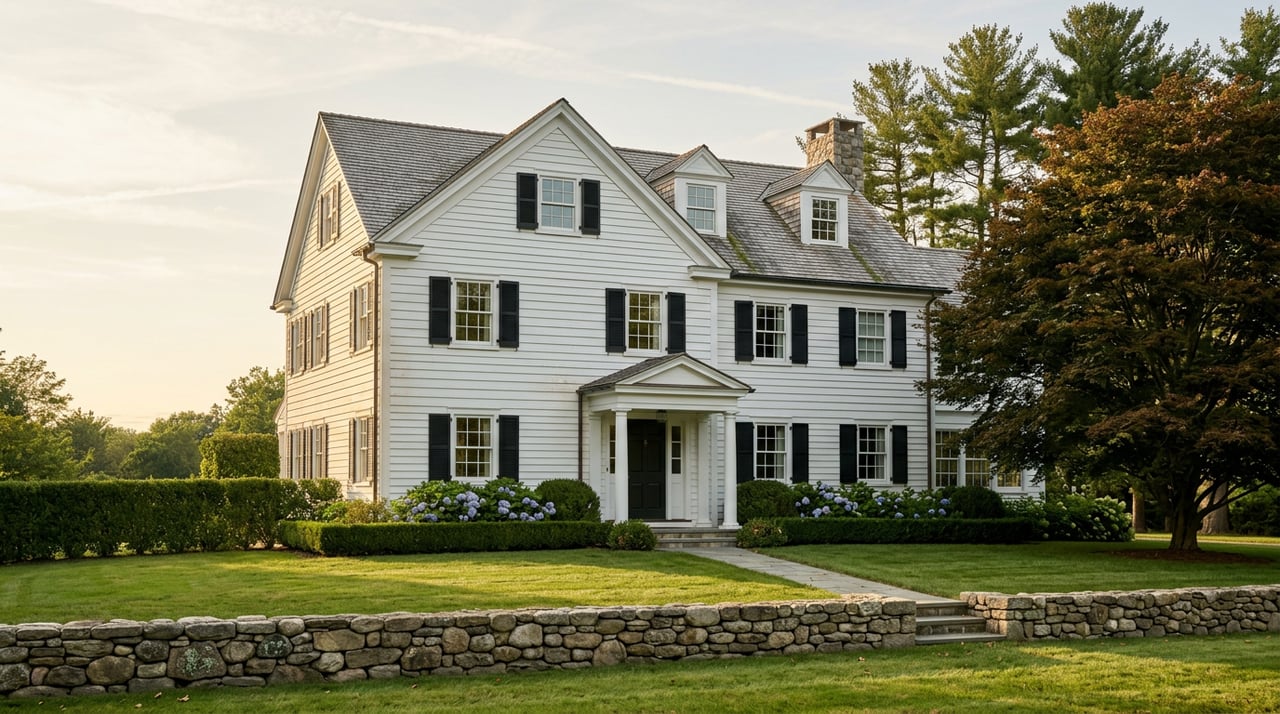
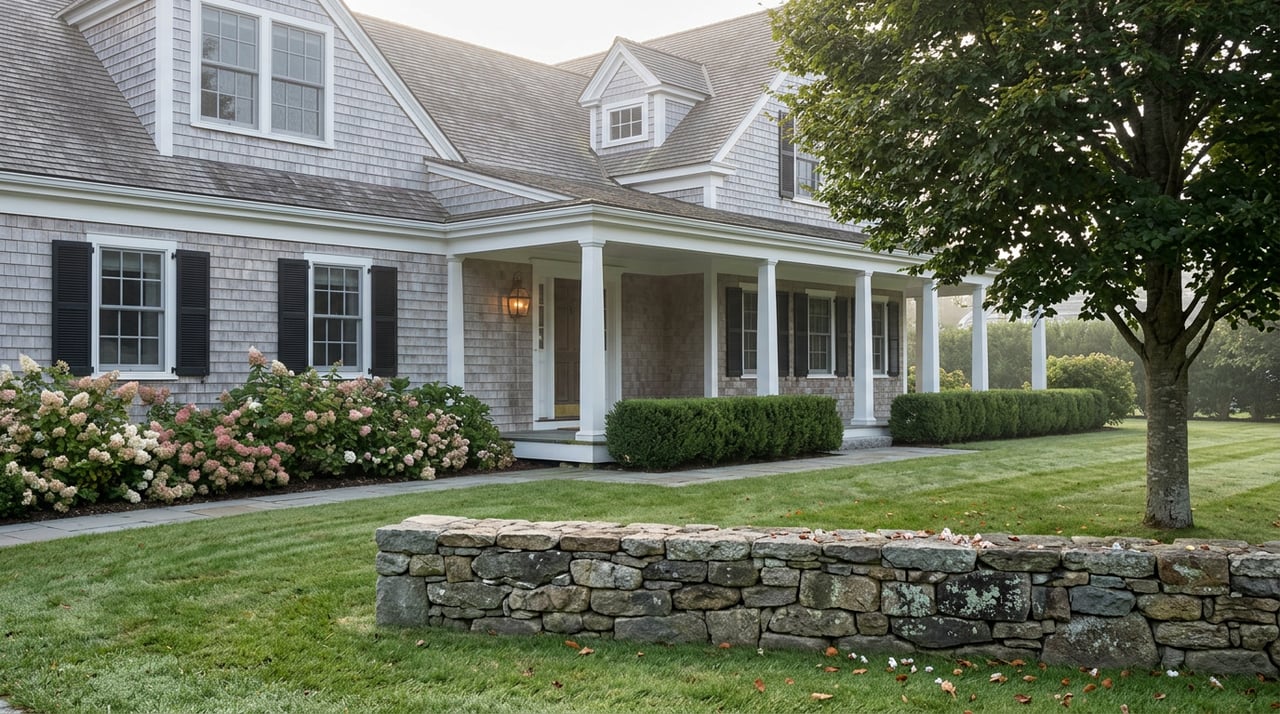
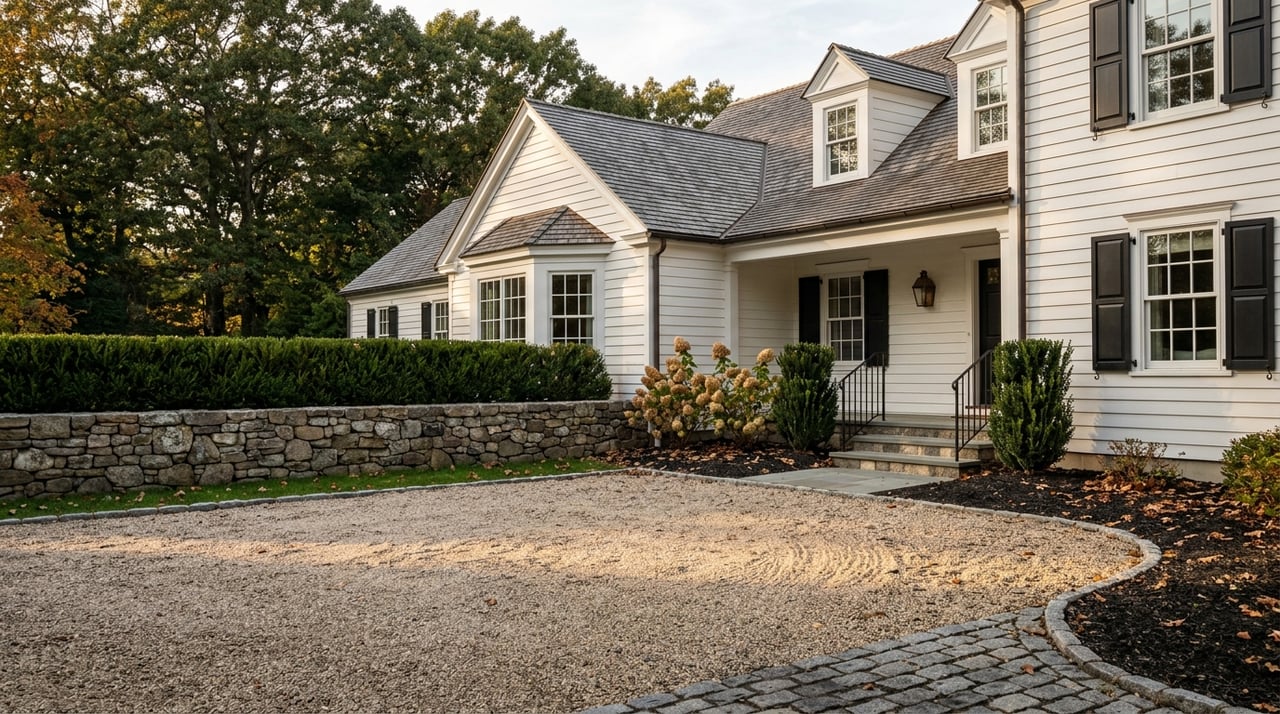
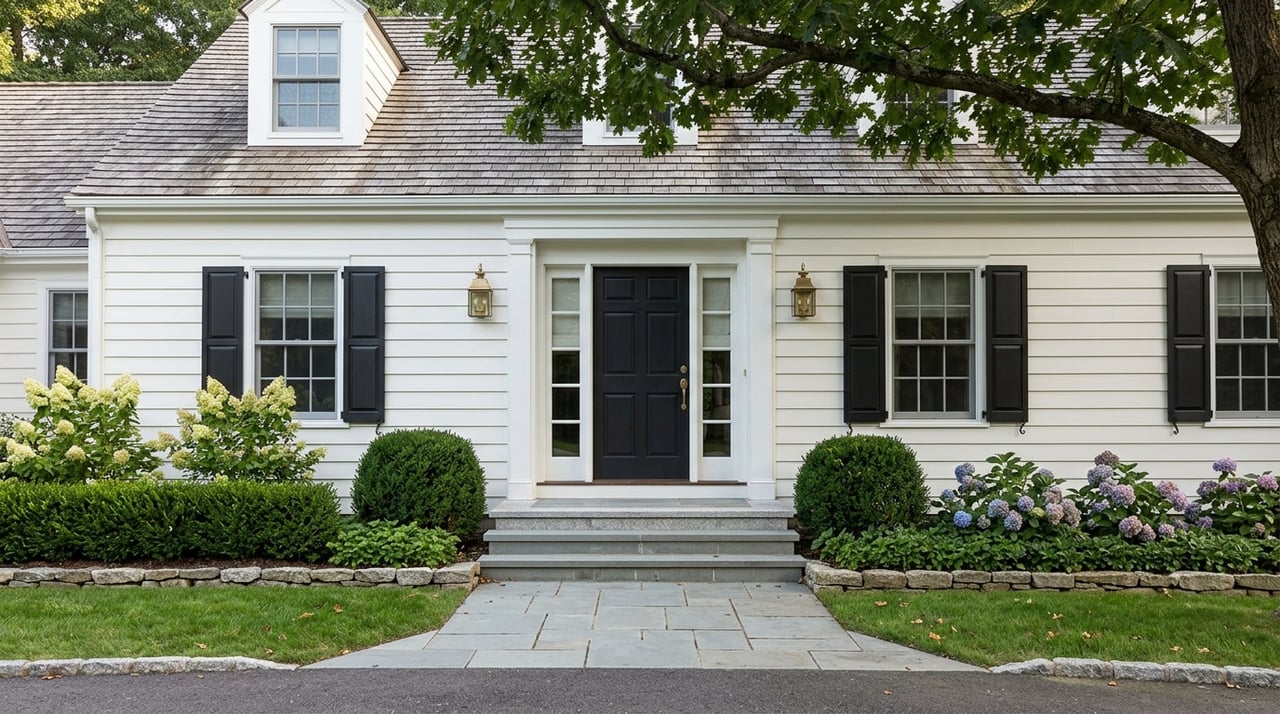
Weston’s rural character is not accidental. The town describes itself through two-acre zoning, minimal commercial development, and the absence of heavily trafficked commercial roads. That combination creates a setting that feels low-density and residential rather than suburban in the more conventional sense.
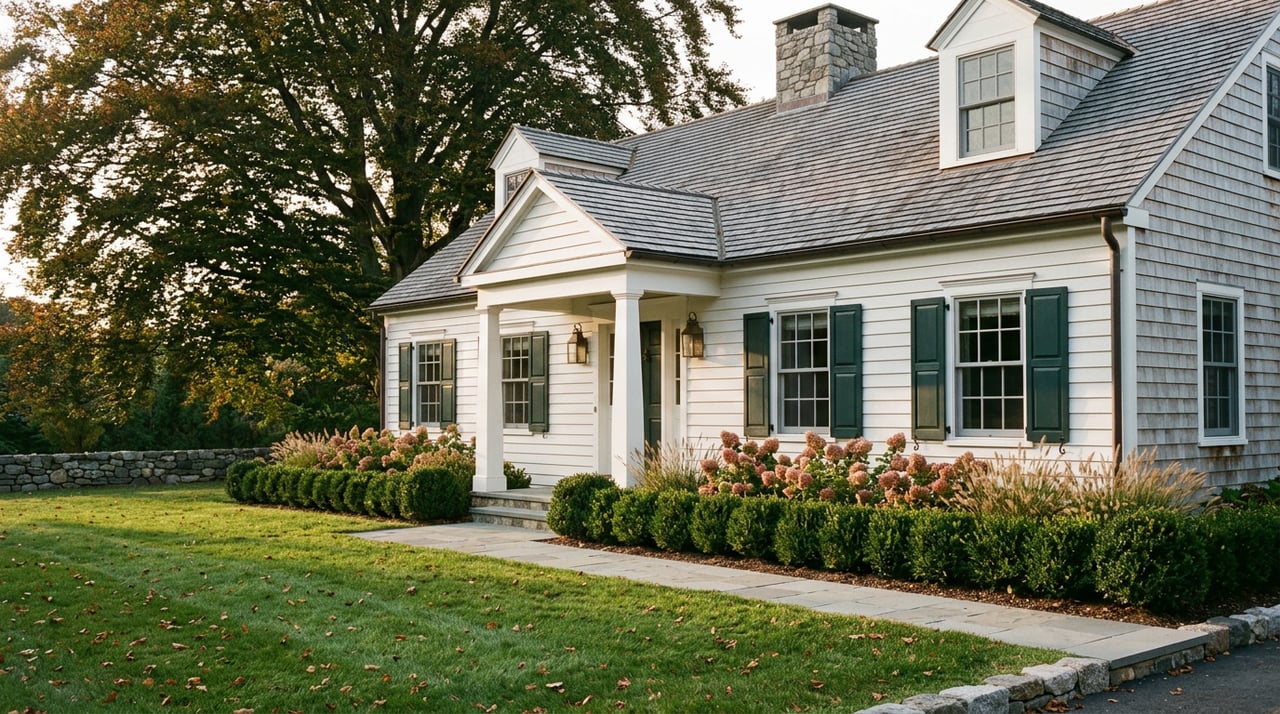
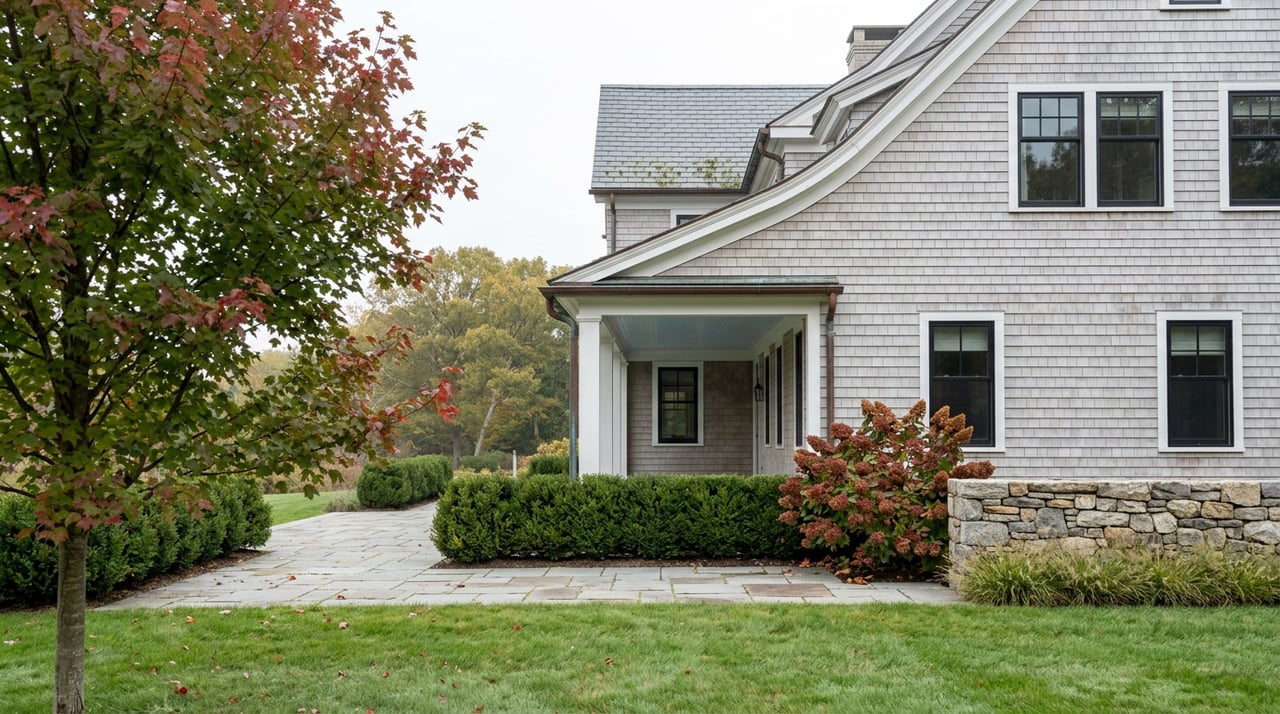
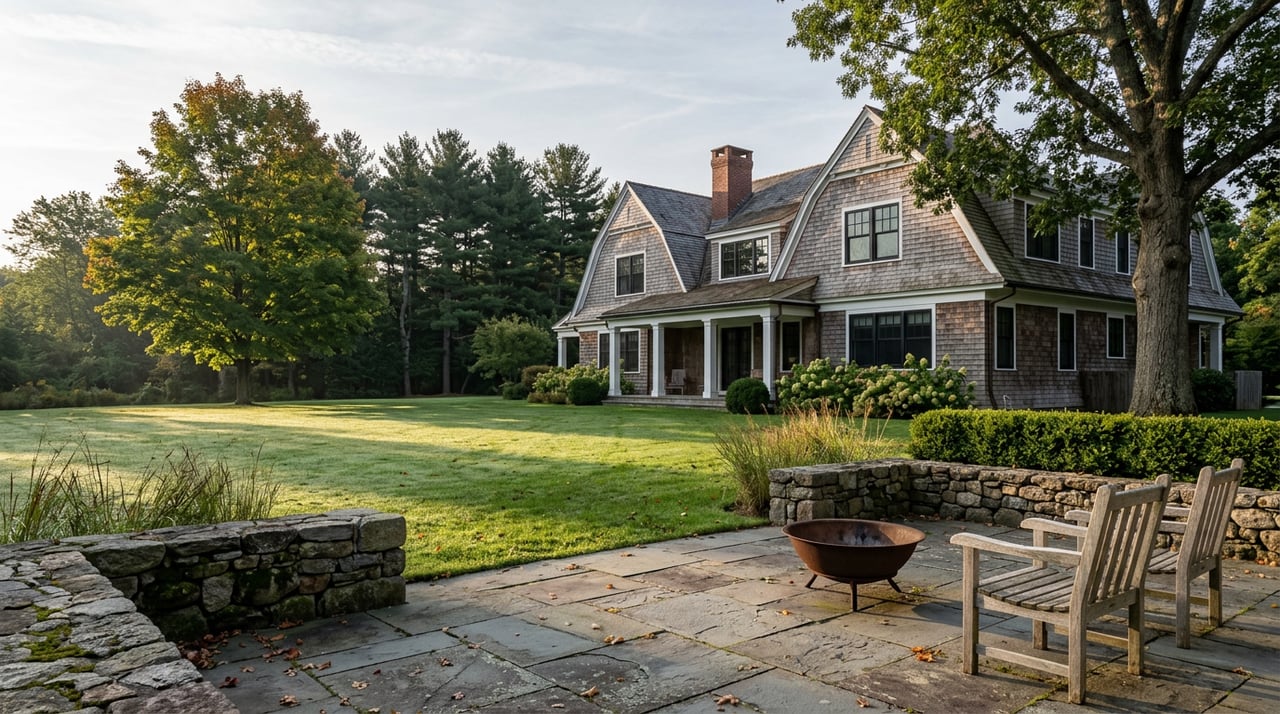
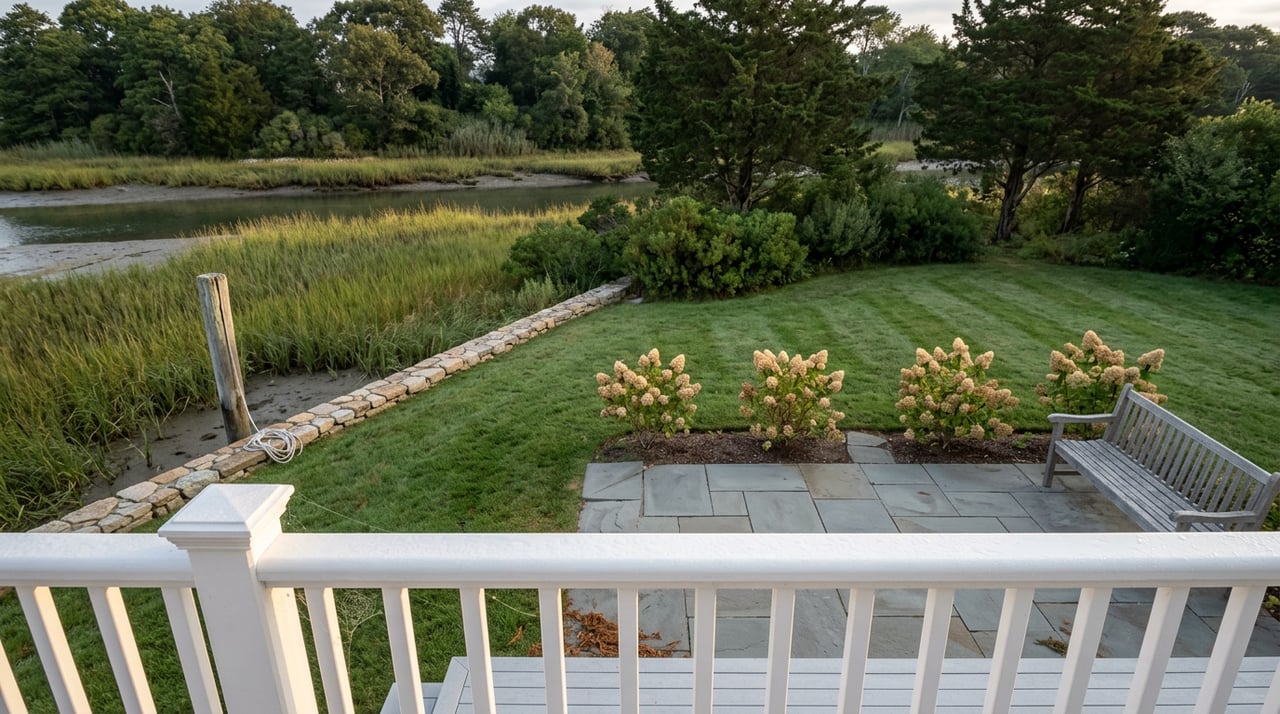
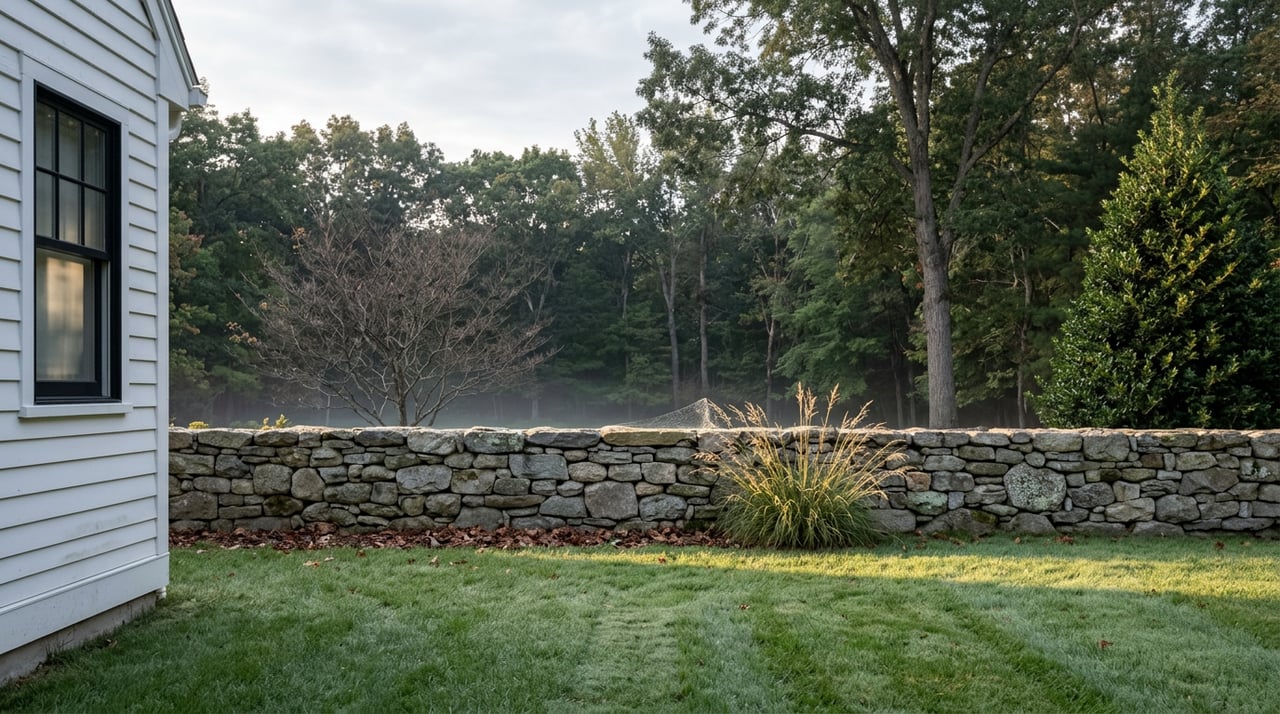
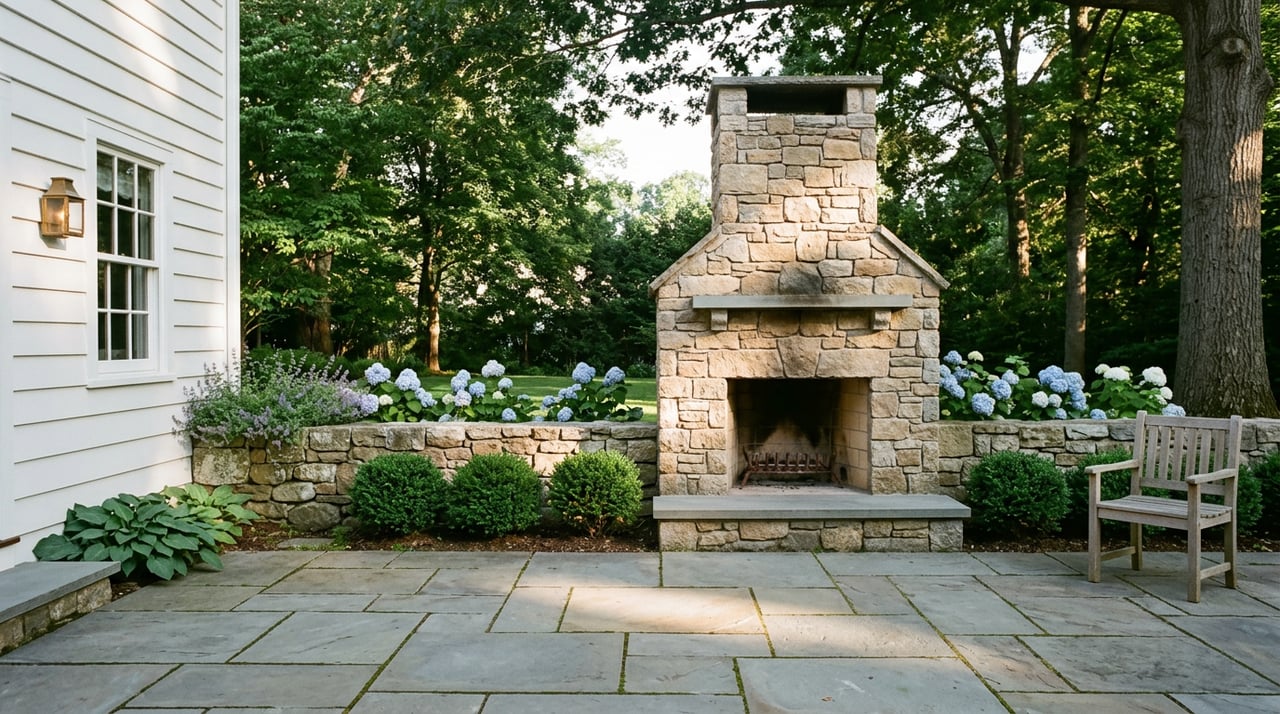
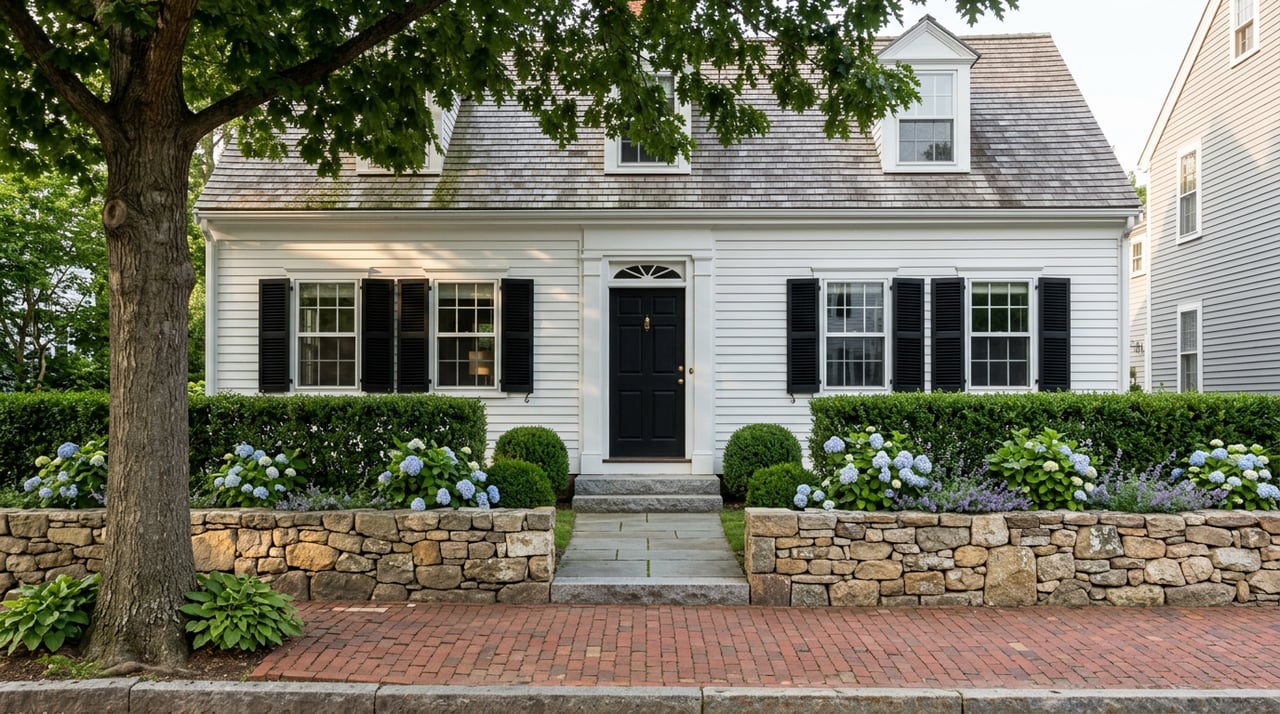
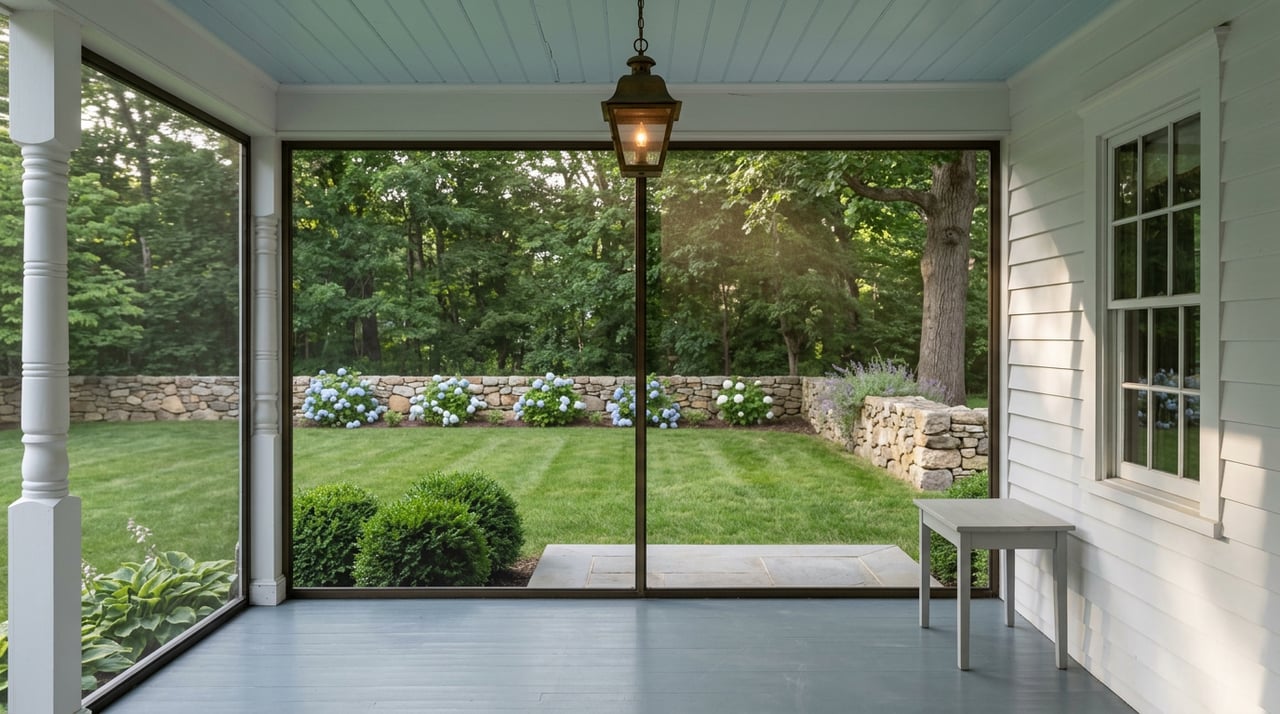
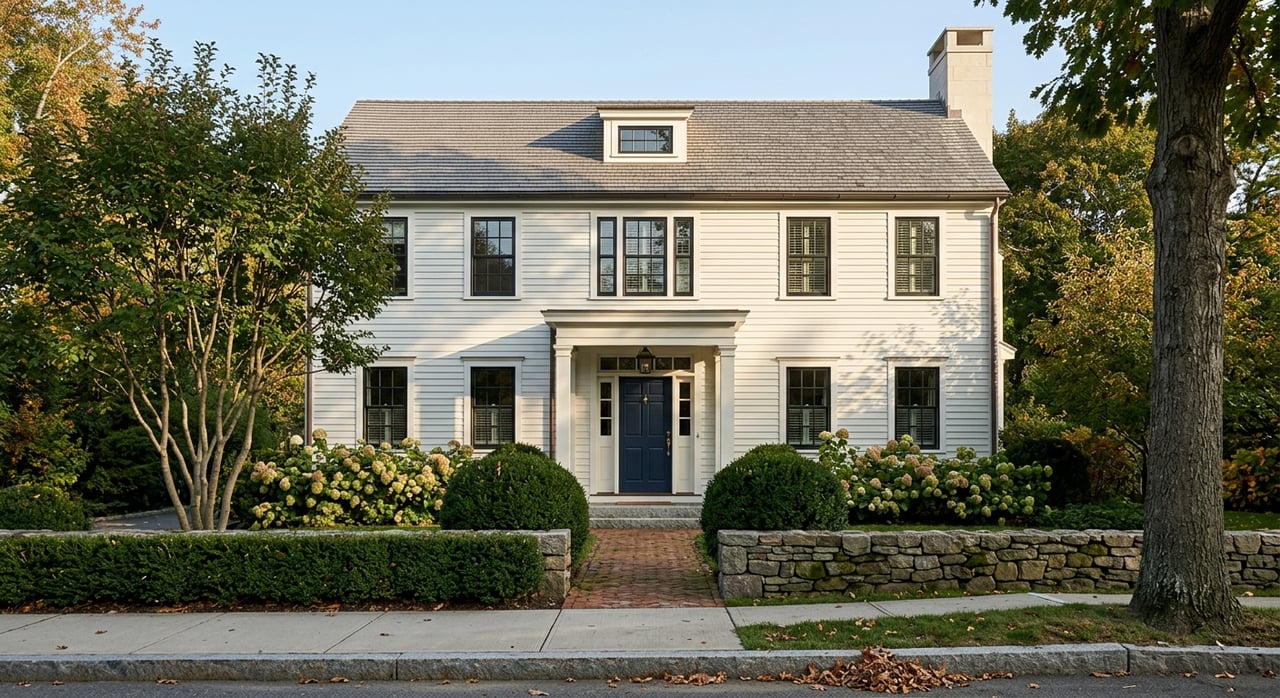
The landscape plays a major role in that feeling. Town planning documents describe open meadows, rivers, wetlands, stone walls, and pastoral side roads as part of Weston’s identity. In other words, nature is not just scenery here. It shapes how the town looks, moves, and feels.
That impression also shows up in the numbers. Weston has about 10,335 residents, with a population density of 523 people per square mile. For you as a buyer, that often translates to more separation between homes, more trees in view, and a slower everyday tempo.
How the Town Is Organized
One of Weston’s defining traits is that its practical core stays compact. The town center includes essentials such as a market, bank, dry cleaner, post office, restaurant, gas and service station, and real estate office. Nearby, you will also find Town Hall, the library, municipal offices, and the four-school campus within a short walk of one another.
That layout matters because it gives Weston a focal point without changing its rural character. You can handle the basics in a concentrated area, but the broader town remains spread out, wooded, and road-based. It is a balance between convenience and space.
Weekday Mornings in Weston
In many households, the weekday rhythm starts with the schools. Weston Public Schools includes Hurlbutt Elementary, Weston Intermediate, Weston Middle, and Weston High School, serving 2,101 students. The district’s four-year graduation rate is listed at 98%, and the school campus is a central part of daily movement through town.
School schedules help set the pulse of the day. Hurlbutt Elementary and Weston Intermediate run from 8:30 AM to 3:15 PM, while Weston Middle School and Weston High School run from 7:45 AM to 2:30 PM. As a result, traffic tends to gather in predictable windows around School Road and the town center.
That does not mean every family is driving for each pickup and drop-off. The Board of Education reports that the district provides transportation with 19 full-size buses and 2 mini-buses. Even so, the school system remains one of the main forces shaping Weston’s daily flow.
Roads, Driving, and Commute Reality
Weston is a driving-oriented town. Police describe the town as having 287 roads and more than 89 miles of roadway, and town planning documents note narrow roads and limited shoulders. If you live here, your routine will usually involve driving to schools, errands, activities, and nearby towns.
For many working households, commuting is also a real part of the equation. The 2020 to 2024 ACS estimate places Weston’s mean travel time to work at 46.6 minutes. That suggests weekday life often requires more planning than in a more compact town with a rail-centered routine.
This is one of the clearest trade-offs of pastoral living. You gain space, privacy, and a calmer setting, but daily logistics tend to be more intentional. For many buyers, that feels well worth it. For others, it is an important lifestyle question to consider early.
School-Area Improvements Matter
Weston is making targeted improvements to support its daily rhythm without changing its underlying character. The town’s 2026 pedestrian safety project includes a right-turn lane at Weston Road and School Road, along with new sidewalk and path segments near Norfield Road, Revson Field, Lords Highway, and Old Hyde Road.
These changes are practical, but they also say something larger about the town. Weston is not trying to become dense or heavily built. It is working to make its core safer and easier to use while preserving the same pastoral framework that draws people there in the first place.
Afternoons and After-School Life
As the school day winds down, the rhythm shifts toward activities, sports, and recreation. Weston Parks & Recreation maintains Bisceglie-Scribner Park, Morehouse Farm Park, the Middle School Pool, tennis courts, playing fields, and pickleball courts. The department also offers summer camps and after-school programming.
That means leisure in Weston is not limited to simply having land around you. The town supports structured recreation as well as informal outdoor time. For many households, afternoons move between the school campus, parks, courts, and fields rather than a commercial center.
This pattern reinforces a broader truth about Weston. Daily life is centered less on shopping or entertainment districts and more on schools, civic spaces, and outdoor amenities.
Weekend Life in a Pastoral Setting
Weekends in Weston often feel even more connected to the land. Lachat Town Farm, at 106 Godfrey Road West, celebrates the town’s farming roots through programs focused on agriculture, sustainability, nutrition, the environment, and the arts. For residents, it can be a natural stop for community-centered weekend time.
The town also offers access to significant preserve land. Weston’s Parks and Nature resources note that the Lucius Pond Ordway–Devil’s Den Preserve is The Nature Conservancy’s largest continuous preserve in Connecticut and the largest tract of protected land in densely developed Fairfield County. It is known as a place for hiking and bird watching, which fits Weston’s quieter recreational style.
Beyond that, Aspetuck Land Trust maintains 45 trailed preserves across the region, including a GIS trail map for the 1,009-acre Trout Brook Valley Preserve in Easton and Weston. The Freeborn Walk Trail in Weston, a three-quarter-mile trail, is described as rocky and rutted, much like the town’s earliest roads. That detail captures something essential about Weston: even recreation here often reflects the area’s rural roots.
Clubs and Private Recreation
For some buyers, pastoral living does not mean giving up structured amenities. Aspetuck Valley Country Club, located in Weston, offers golf, racquets, a pool, and restaurant facilities on rolling, wooded land along the Aspetuck River. The club also notes 11 tennis courts and an informal, family-oriented atmosphere.
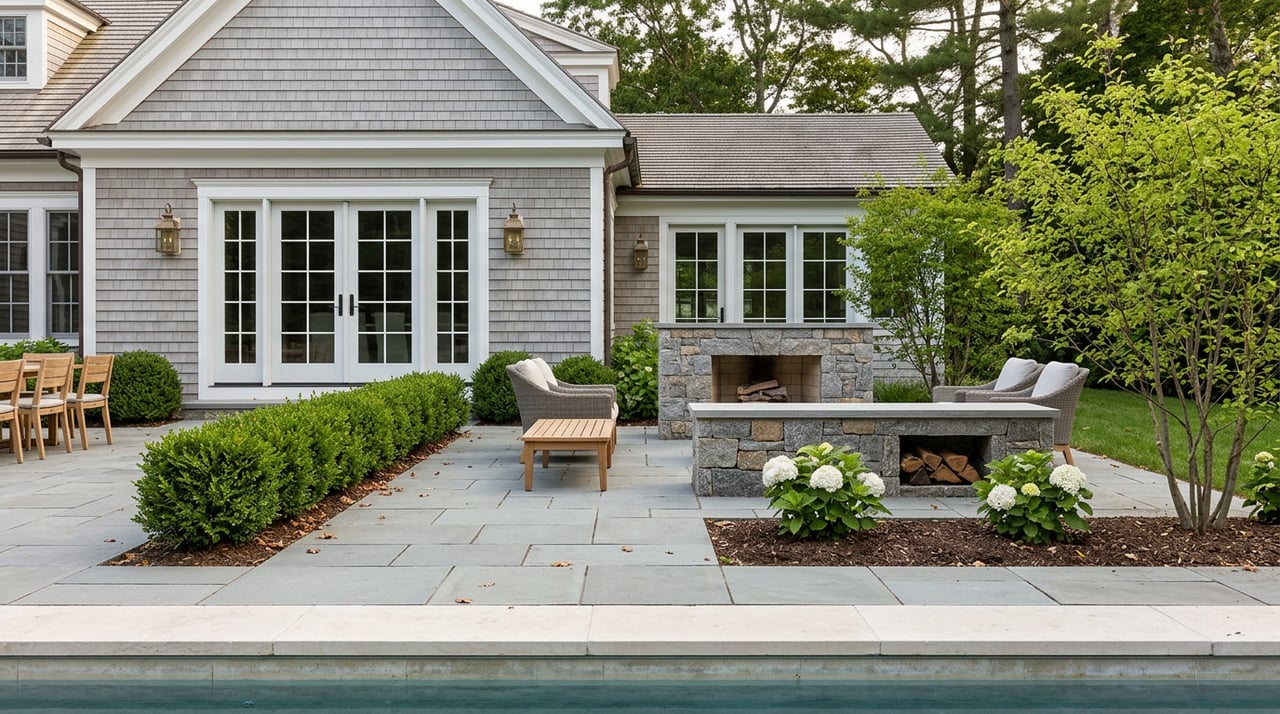
This is another part of Weston’s appeal. Recreation can feel refined and social, but it still sits within a natural setting rather than a highly commercial one. If you want privacy at home and optional club life nearby, Weston offers that balance.
Privacy and Convenience: The Real Trade-Off
The strongest case for Weston is easy to understand. You get privacy, larger lots, open space, and a notably quiet environment. The town center covers everyday essentials, while the landscape supports a lifestyle built around trails, parks, farms, and residential calm.
The trade-off is equally clear. Errands are less spontaneous, commutes can be longer, and your daily routine usually depends on the car. Weston is best understood as quiet, wooded, and highly residential during the week, then outdoors-oriented and family- or club-centered on weekends.
For the right buyer, that is exactly the point. Weston offers beauty and breathing room, but it asks you to be comfortable with a more deliberate pace. If that sounds appealing, the town’s rhythm can feel deeply rewarding.
If you are considering a move to Weston and want thoughtful guidance on how the town’s lifestyle aligns with your priorities, Emily Gordon offers the kind of seasoned, local perspective that helps you make a confident decision.
FAQs
What does pastoral living in Weston mean for everyday life?
- It generally means a quieter, lower-density routine shaped by two-acre zoning, limited commercial development, school-centered traffic patterns, and strong access to open space and recreation.
What is the daily rhythm like in Weston, CT?
- Weston’s daily rhythm is largely centered on school schedules, driving between home and town destinations, and afternoons that often shift toward parks, fields, courts, and after-school activities.
Is Weston, CT a walkable town?
- Weston has a compact civic center where several destinations sit close together, but the town as a whole is road-dependent and spread out, so most daily routines rely on driving.
What are weekends like in Weston, CT?
- Weekends often focus on outdoor recreation, preserve trails, town farm programs, parks, and club amenities rather than dense retail or entertainment districts.
What should buyers know about convenience in Weston?
- Buyers should expect daily essentials in the town center, but also a more intentional routine for errands, school runs, and commuting compared with a more compact or transit-oriented town.