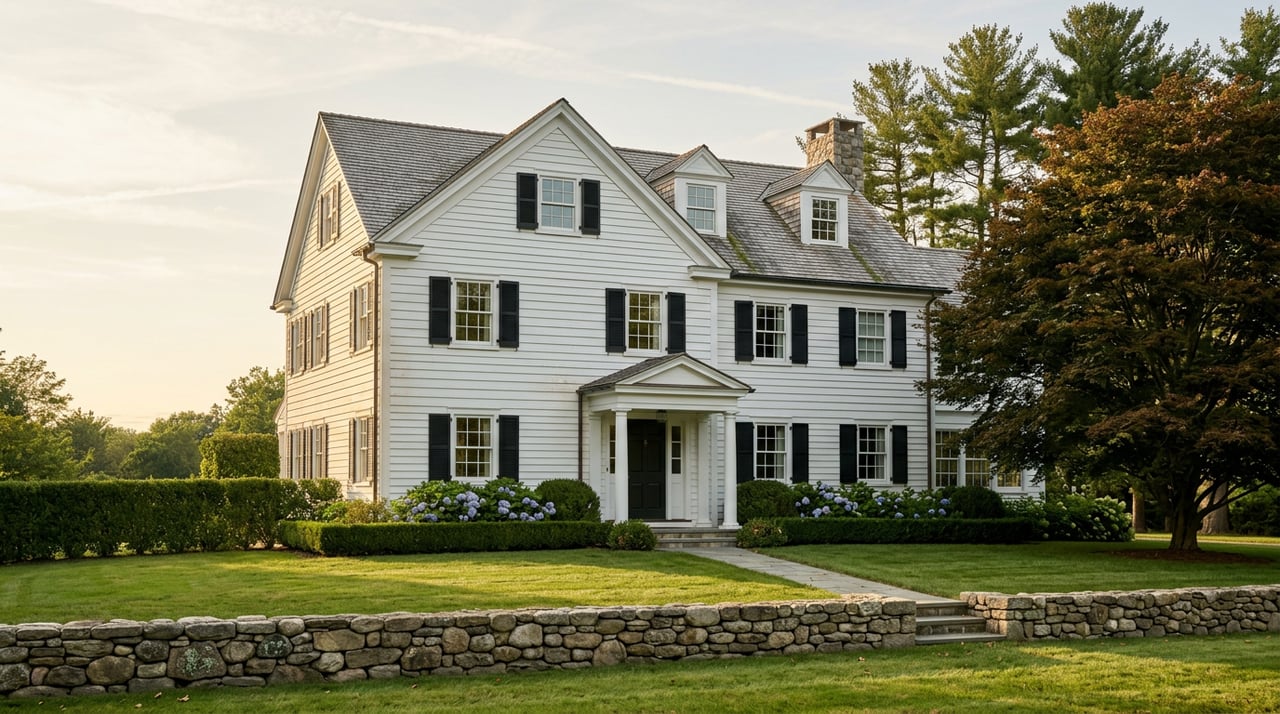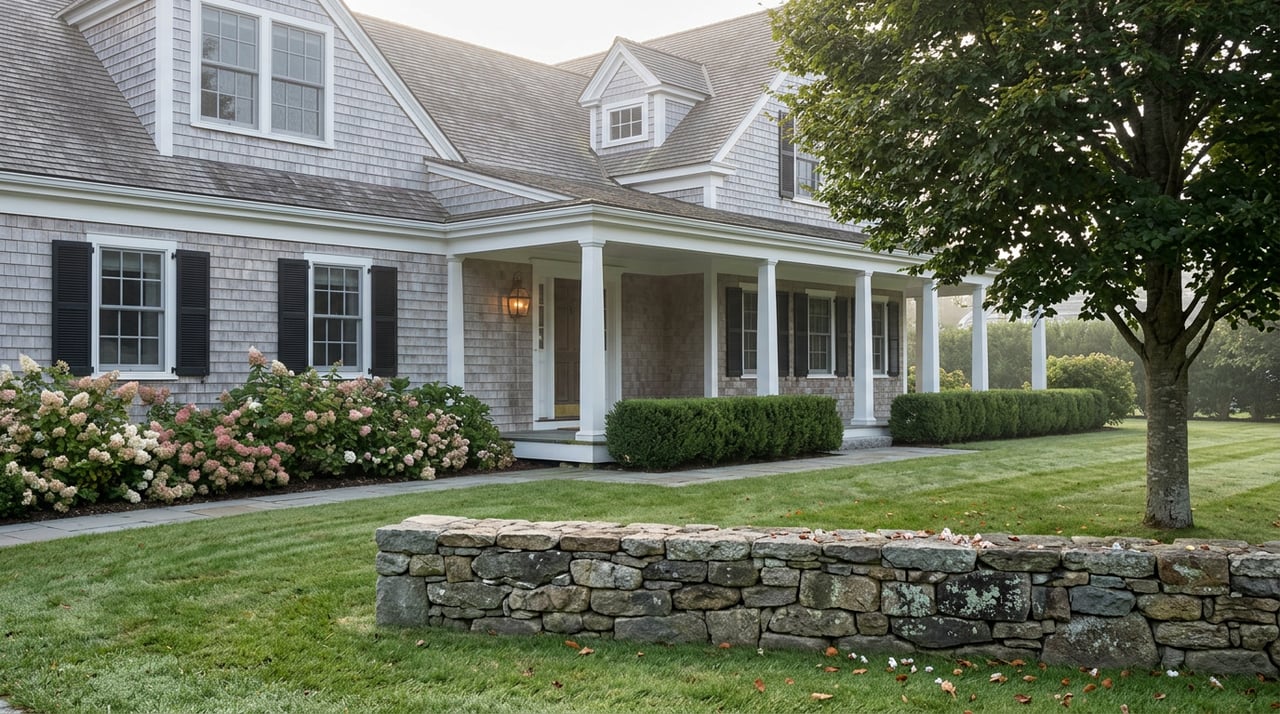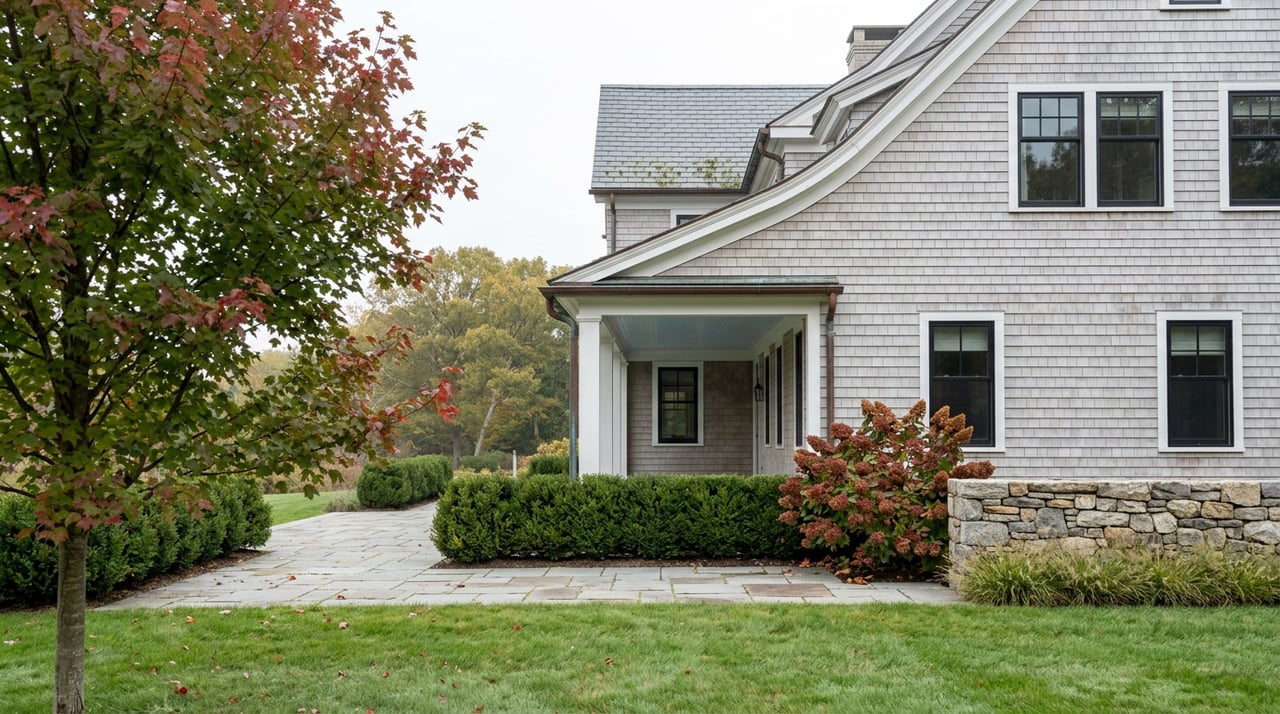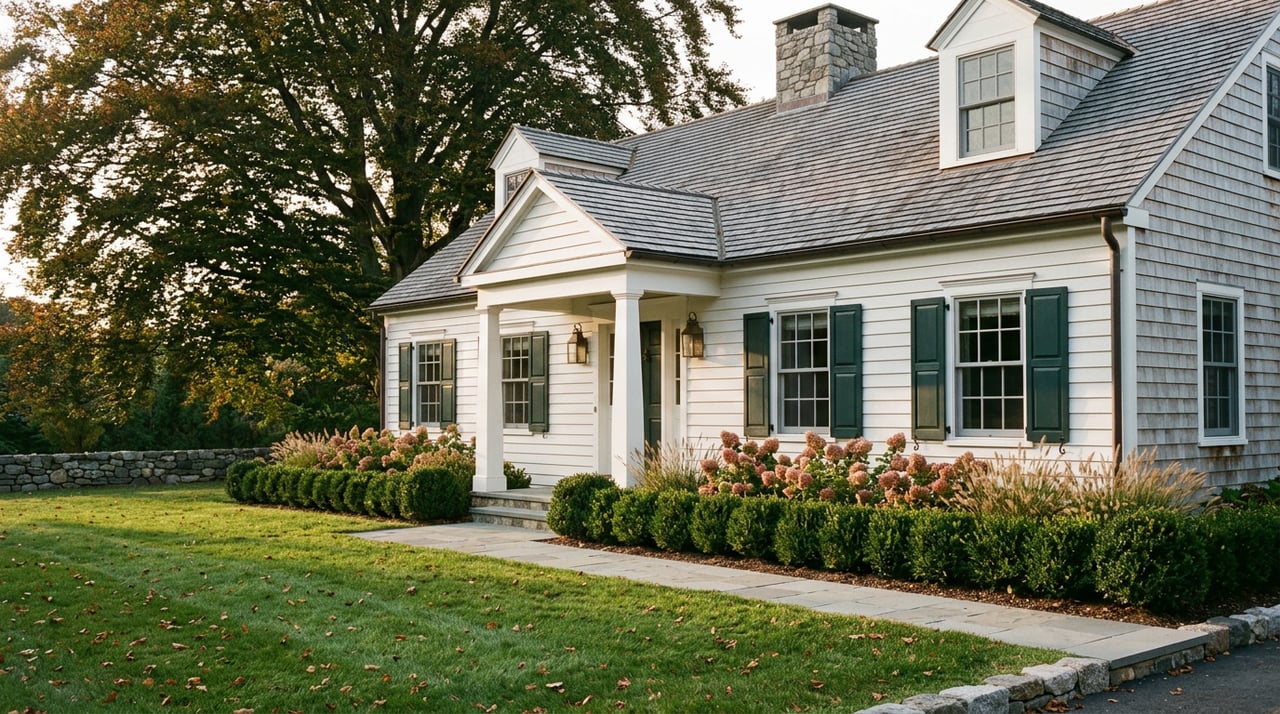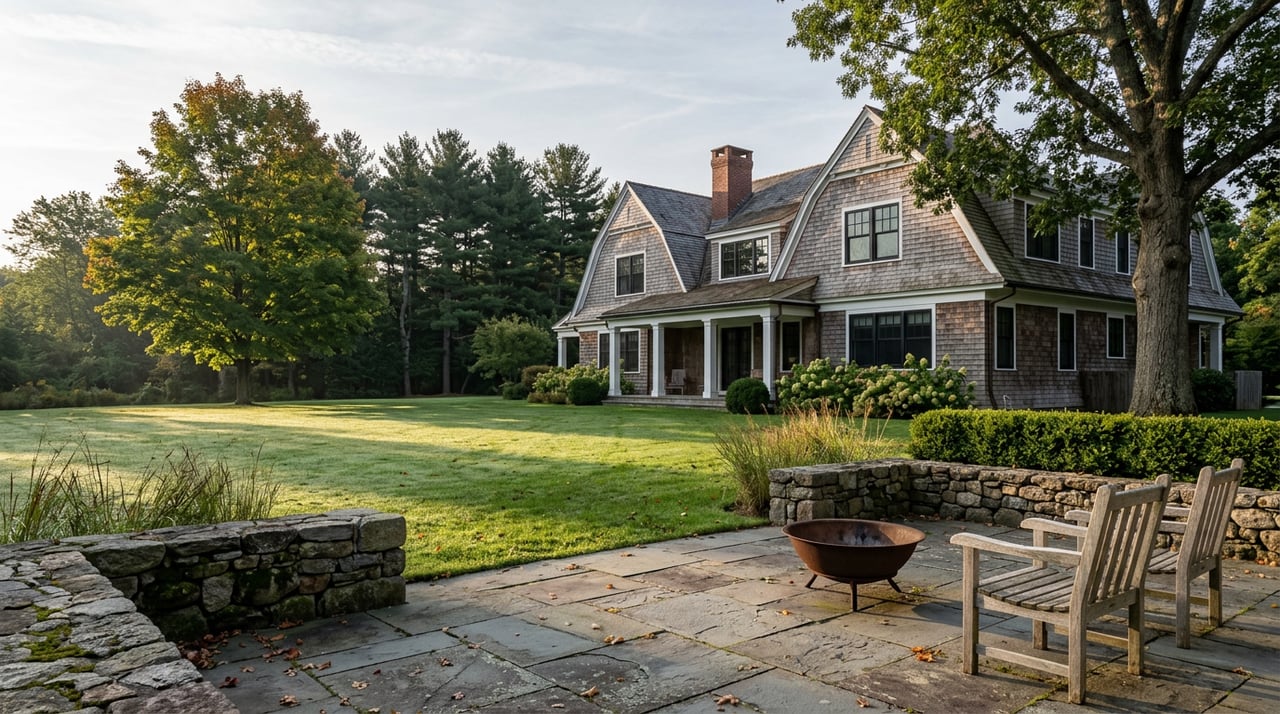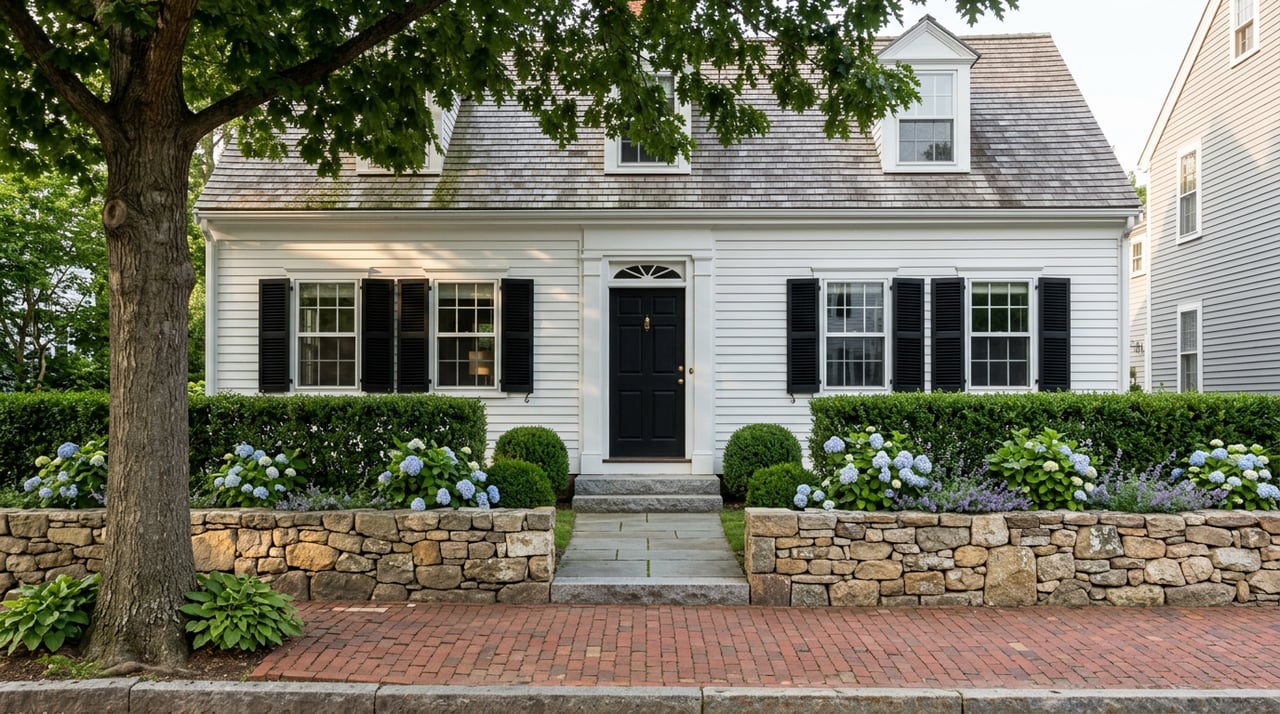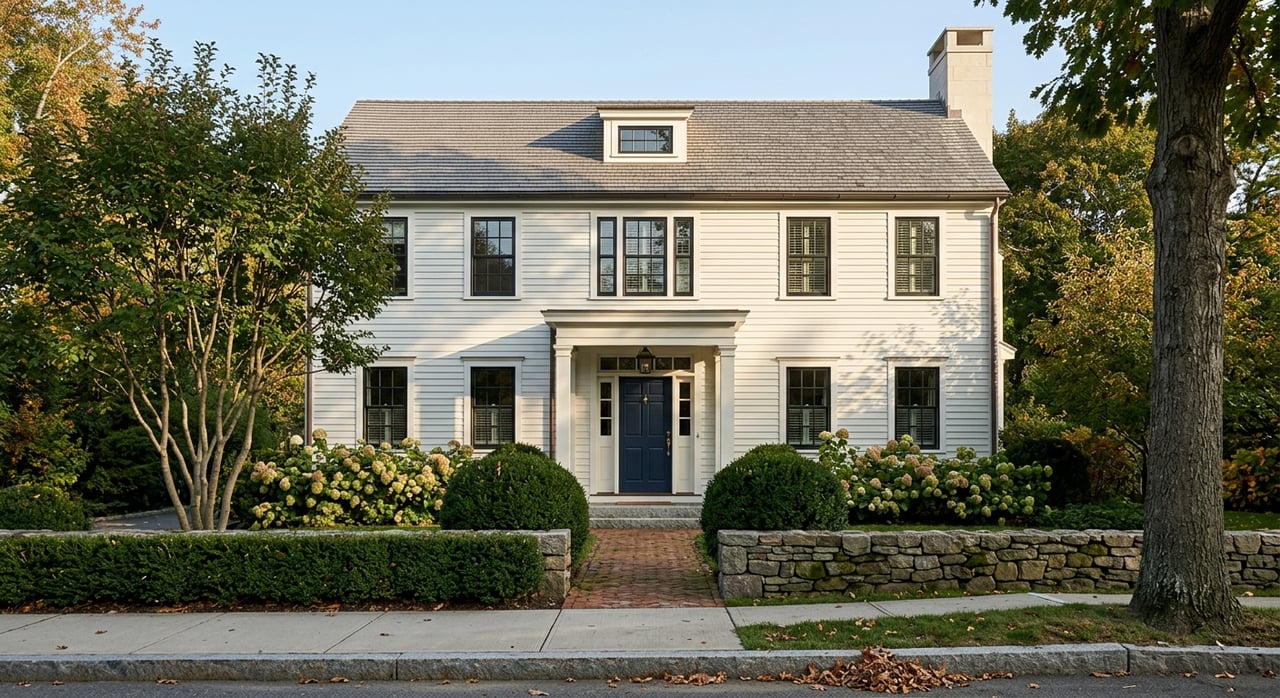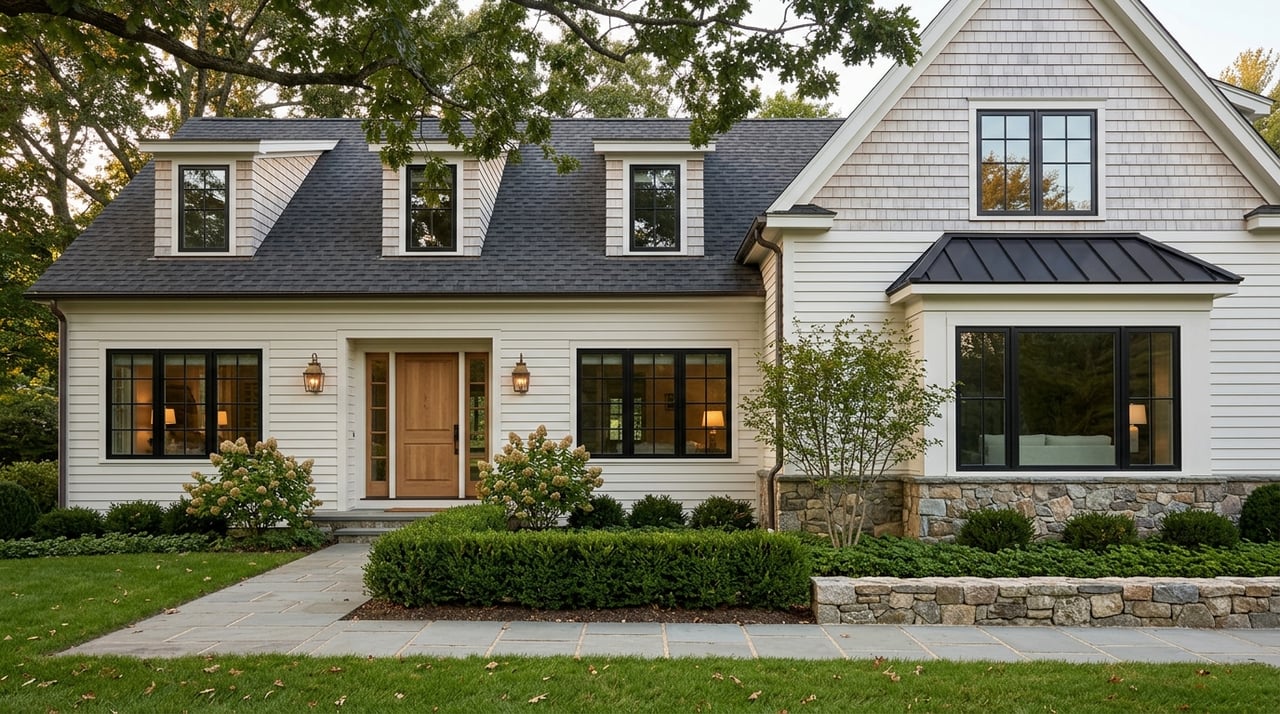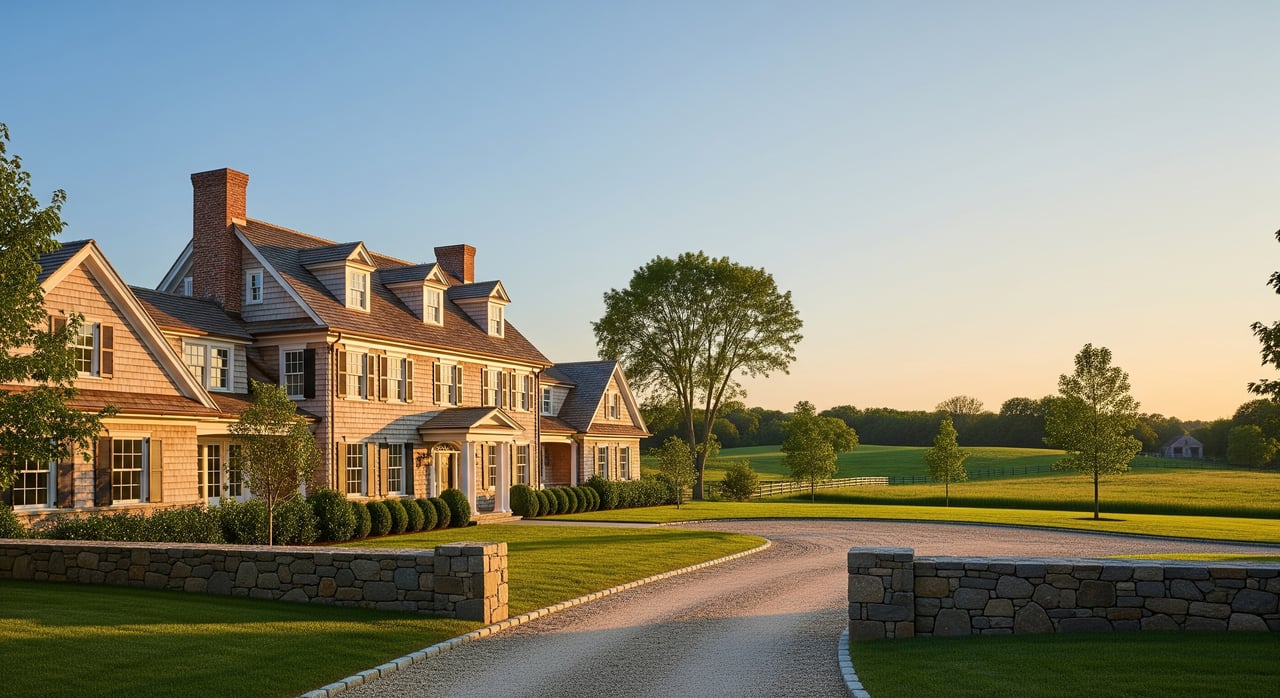
Most buyers walking into a house on Harbor Road or Bronson Road assume the historic district exists to stop them from doing things. Replace that assumption with a more accurate one: the district doesn't usually stop the work. It reorders it. The real friction in Fairfield's historic districts isn't a design veto, it's a sequencing problem, and the sequencing problem is worth understanding before you're holding a signed contract and a contractor asking when he can start.
Here's the mechanism. In Southport, Greenfield Hill, and the Old Post Road district by downtown Fairfield, a building permit for exterior work requiring a Certificate of Appropriateness cannot be issued until the town's Historic District Commission has granted one. That's not a suggestion. Under Connecticut General Statute 7-147, proceeding without one exposes an owner to fines or legal action. The commission that grants it meets once a month, generally the second Thursday at 4:15 in the afternoon. Miss the submission window for that meeting and your timeline doesn't slip by days. It slips by a month.
The Yacht Club Test
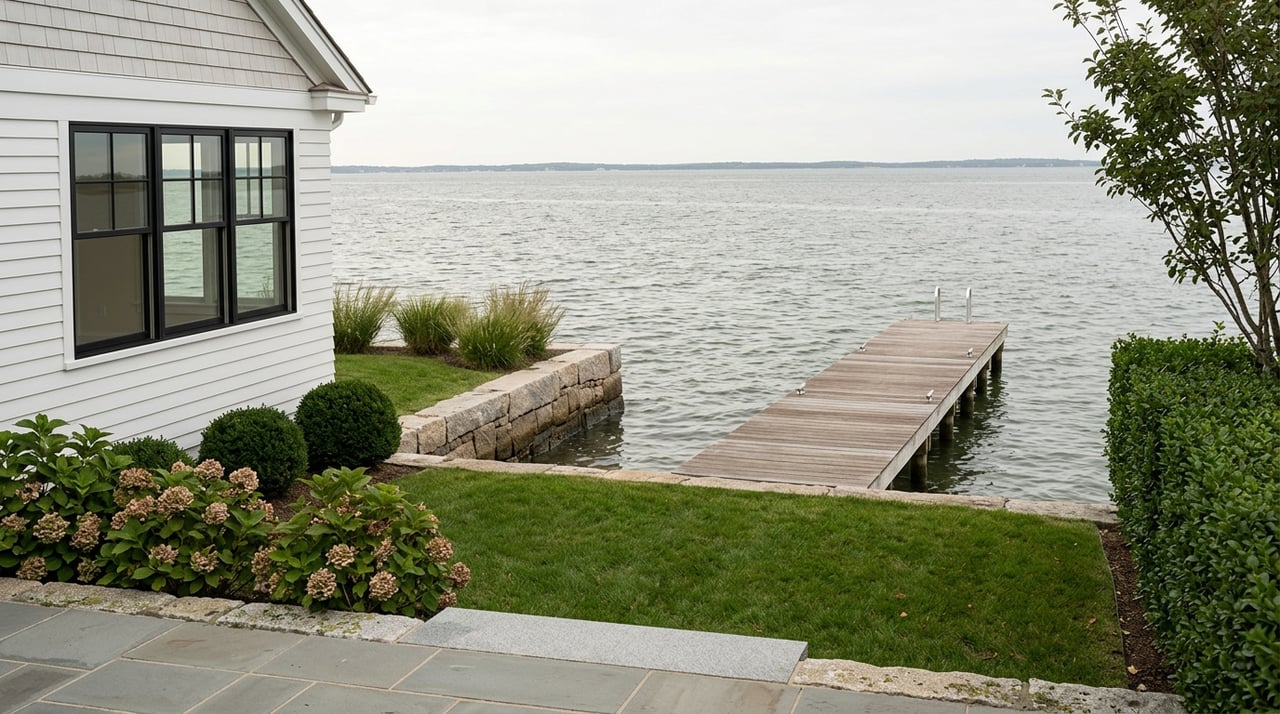
At the commission's February 2025 meeting, Pequot Yacht Club Inc., at 647 Harbor Road, brought a proposal that shows how far this reaches. The clubhouse renovation committee needed to replace the stone foundation with a pile-driven foundation and lift the building seven feet to meet current code. That's structural engineering, not paint color, and it still went through the same review as everything else in the district: application, public hearing, commission vote. The board approved it unanimously.
The same meeting handled something much smaller. A Southport property owner, working with architect Will Hibbs of Oliver Design and Associates, needed approval to convert a non-compliant cobblestone strip into a two-car entrance, paved in asphalt and banded with the original antique cobblestone. Different scale entirely from a yacht club foundation lift. Same process, same vote, same commission.
That's the pattern worth sitting with. Scale doesn't determine how much friction a project generates. Visibility does.
Three Districts, One Commission
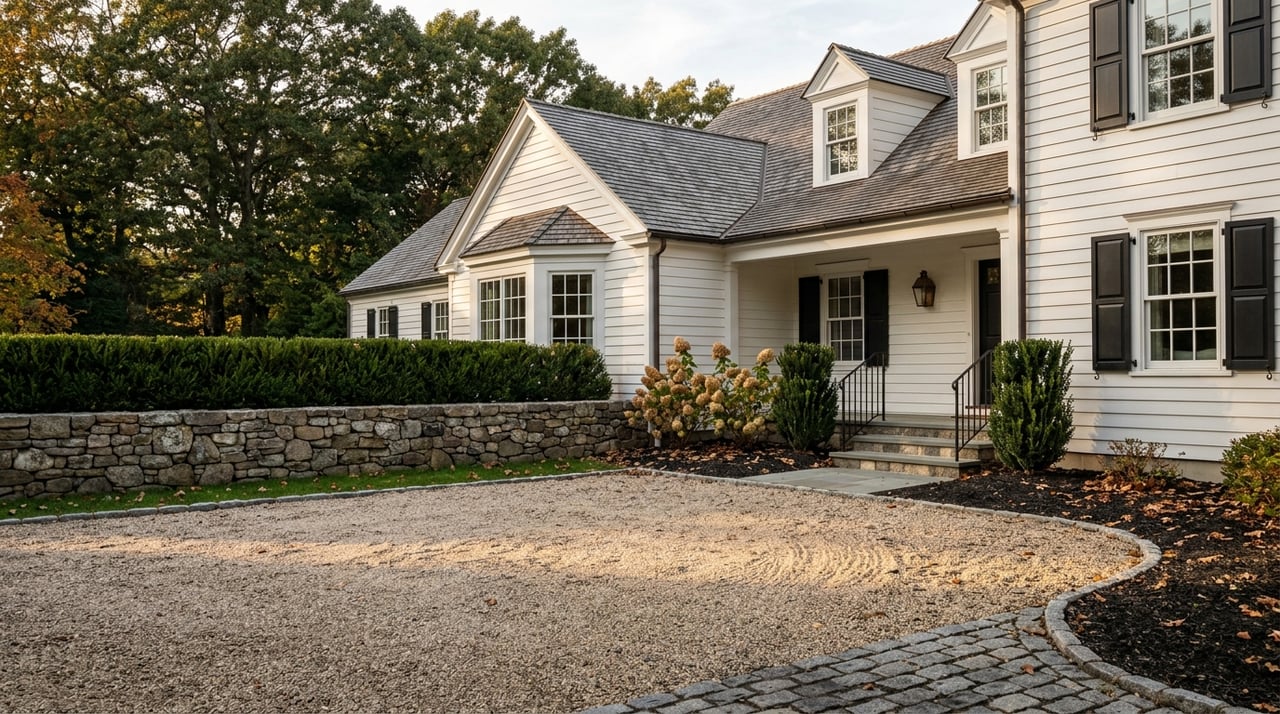
Fairfield's Historic District Commission covers Southport, Greenfield Hill, and Old Post Road with a single panel: five commissioners and three alternates, appointed by the Board of Selectmen and confirmed by the Representative Town Meeting. Whatever precedent gets set on a Harbor Road application in Southport is being set by the same people who will review a Bronson Road application in Greenfield Hill. The two districts look different (Southport's is bounded by the Metro-North tracks, Mill River, Southport Harbor, Old South Road, and Rose Hill Road, a 225-acre area listed on the National Register of Historic Places in 1971 with more than 150 contributing buildings, while Greenfield Hill's centers on the village green, Meeting House Lane, and the Greenfield Hill Congregational Church) but they're evaluated against the same design standards, drawn from the U.S. Secretary of the Interior's Standards for Rehabilitation and folded into Fairfield's regulations in 1990.
If you're comparing a historic property in Southport to one in Greenfield Hill, you're not comparing two review cultures. You're comparing two districts governed by identical rules and identical people. The commission's own literature underscores this: three historic districts, one commission, one process.
What Exterior Work Requires Review
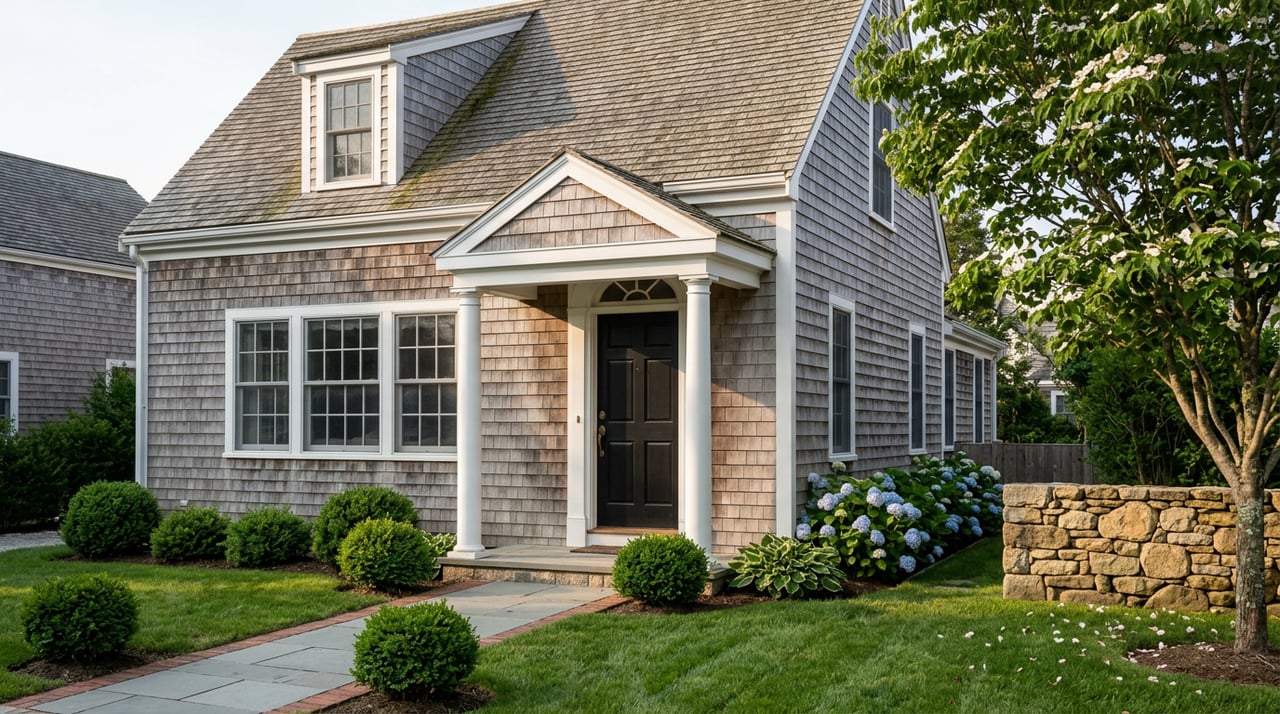
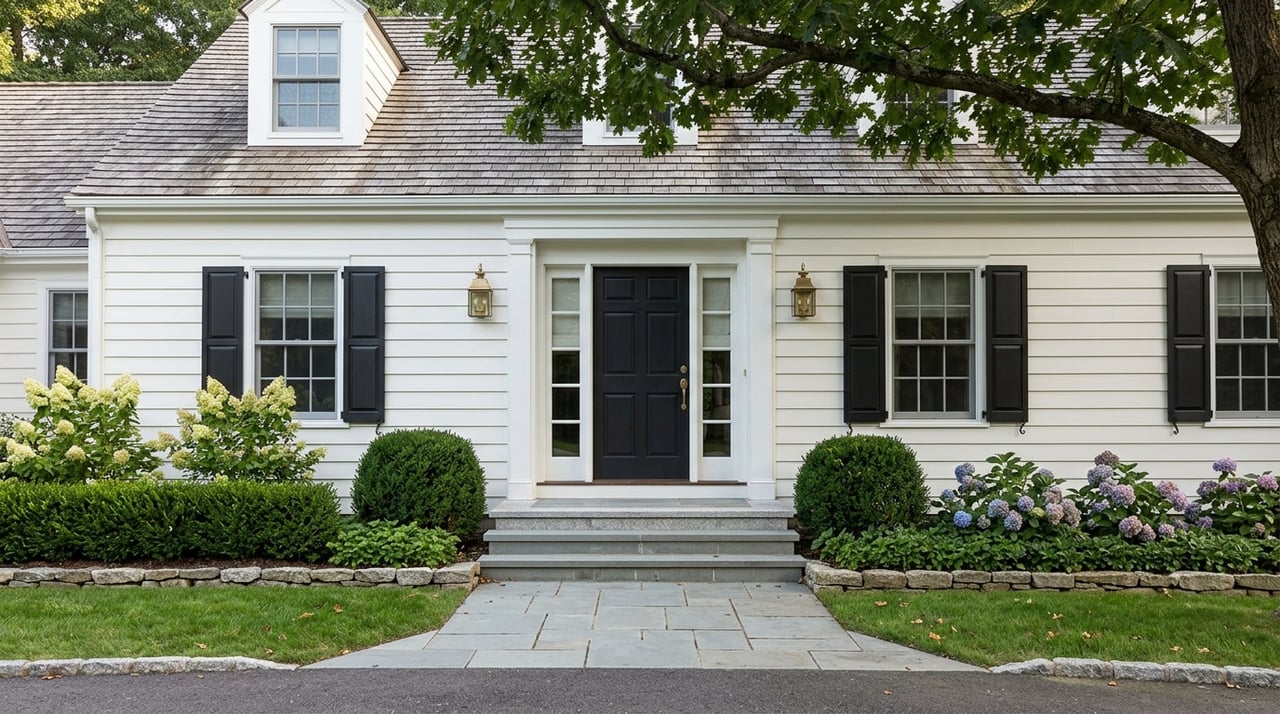
What does require it, based on Fairfield's own handbook: reroofing and siding replacement that aren't in-kind repairs, new hardscape, lighting, fences, and new construction, whether temporary or permanent. According to the Connecticut Landmarks guide to Certificates of Appropriateness, routine maintenance and in-kind repairs are exempt; replacing a roof or siding with the same material that's already there typically doesn't require review. Swap wood siding for wood siding and you're likely exempt. Swap it for vinyl and you've changed the material, which triggers commission review even though nothing about the size or shape of the house has changed.
That distinction between what changes materials and what doesn't is where a lot of renovation budgets quietly shift. A buyer planning to re-side a Greek Revival on Harbor Road with something lower maintenance needs to know that decision alone can add a commission cycle to the project, independent of how visually similar the new material looks from the street.
The Sequencing Problem, Written Out
Here's what the calendar actually looks like once a project needs a Certificate of Appropriateness:
| Step | What has to happen | What it costs you |
|---|---|---|
| Application filed | Submit plans, elevations, materials to the Historic District Commission | Must happen before the monthly meeting cutoff |
| Public hearing | Commission reviews at its next scheduled meeting | If you miss the cutoff, add roughly 30 days |
| Certificate issued or revisions requested | Approval, denial, or request for changes | Revisions mean resubmitting for another cycle |
| Building permit | Cannot be issued until the Certificate is in hand | No permit, no start date, regardless of contractor availability |
| Demolition (if applicable) | Commission can impose a demolition delay | Up to 90 days |
| Appeal (if denied) | Aggrieved party can appeal to Superior Court | The Westport Historic District Commission's Certificate of Appropriateness page says an aggrieved party may appeal within 15 days of the decision |
None of this is unusual by the standards of historic preservation law generally. What's specific to Fairfield is how it interacts with a luxury renovation timeline, where scope tends to be large, contractors are booked months out, and a seller mid-project has real incentive to finish before listing. A one-month commission cycle that stacks with a request for revisions can turn a projected six-week permit window into a four-month one. That's not a design objection. That's a scheduling fact worth pricing into any offer on a home where the seller has represented that renovations are "in progress" or "approved."
What Happens If You Skip It
The Fairfield Historic District Commission's February 2025 minutes record at least one Southport property violation that had to be resolved and formally removed from the land records. Anyone buying a historic property with recent exterior work should ask directly whether a Certificate of Appropriateness is on file. If it doesn't, that's a resolution to build into the closing timeline, not a surprise to discover after closing.
What This Means If You're Buying or Selling Here
For a buyer evaluating a historic home in Southport or Greenfield Hill, the design restriction itself rarely matters much. Most buyers of these properties want the Federal and Greek Revival character preserved anyway. What matters is timeline math. Before you write an offer contingent on renovation, ask what's visible from the street, what materials are involved, and whether the seller has already had a pre-application conversation with the commission. A pre-application meeting, which the commission allows before formal submission, can save a full cycle.
For a seller mid-renovation, the honest move is disclosure of exactly where in the Certificate of Appropriateness process the work stands, not just what work has been done. A buyer who understands they're inheriting an approved-but-unbuilt scope of work behaves very differently than one who discovers a stalled application after the inspection period closes.
If you're weighing a historic property against a newer build elsewhere in Fairfield, that comparison should factor in the commission's calendar the same way it would factor in a well and septic inspection or a flood zone determination. It's a real variable, just a procedural one instead of a structural one.
A Short FAQ
Does the historic district designation mean I can't renovate at all? No. It means exterior changes generally need a Certificate of Appropriateness before a building permit is issued, though routine maintenance and in-kind repairs typically do not.
How long does the approval process actually take? At minimum, one commission cycle, since the panel meets monthly. If the commission requests revisions, plan on at least one additional cycle.
Can I appeal if the commission denies my application? Yes. Connecticut law gives an aggrieved applicant 15 days to appeal an adverse decision to Superior Court.
Does this affect Greenfield Hill the same way it affects Southport? Both districts are reviewed by the same Historic District Commission using the same design standards, so the process is functionally identical even though the districts themselves look different.
If you're weighing a property in Southport's harbor village or up on Greenfield Hill's ridges and want a straight read on what a specific renovation timeline would actually look like, that's a conversation worth having before you write an offer, not after. Emily Gordon has spent three decades reading exactly this kind of local detail into a transaction. Let's Connect.
This article is general information, not legal, tax or financial advice. Consult a qualified professional about your situation.